Published January 14, 2026
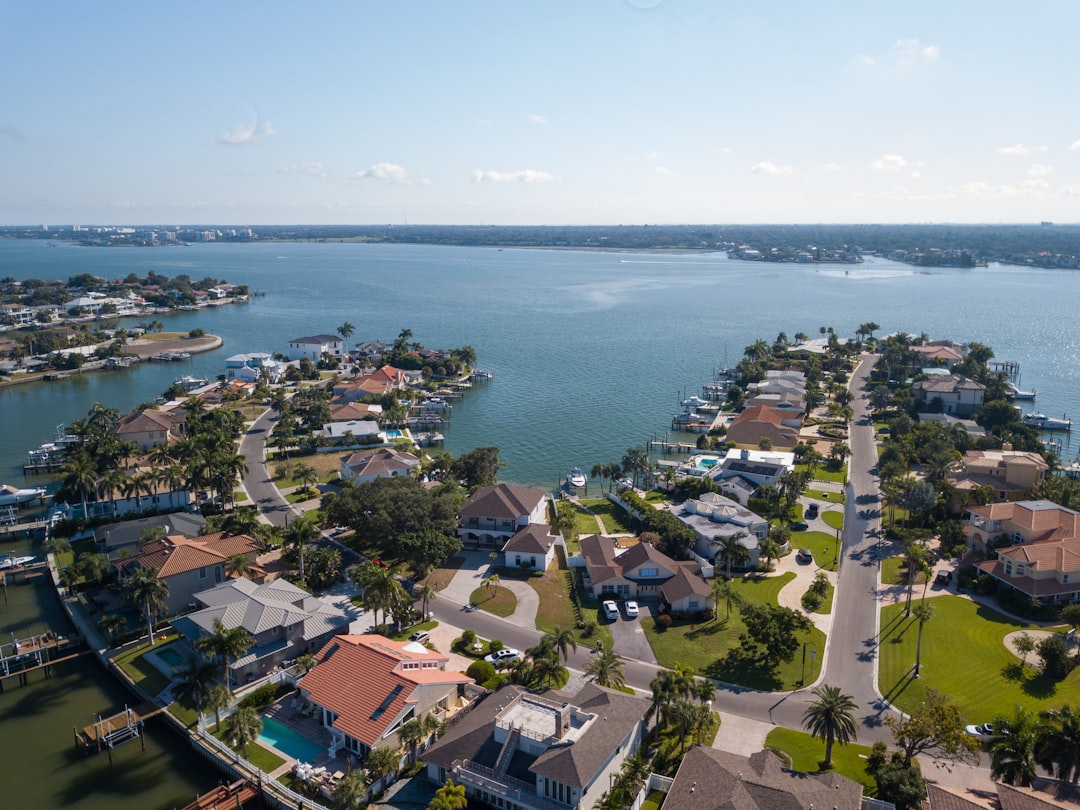
Tampa Bay isn't just Florida's boating capital by accident. With 400 square miles of water, year-round boating weather, and everything from shallow grass flats to deep-water channels, this is where serious boat owners come to play. I've helped hundreds of families relocate here specifically for the boating lifestyle, and after 23+ years watching this market, I can tell you exactly what you need to know.
Whether you're trailing a 21-foot bay boat or need deep-water dockage for a 60-footer, Tampa Bay delivers. But not all waterfront is created equal, and the difference between choosing the right marina versus the wrong one can cost you thousands annually — or worse, leave you without a slip when you need it most.
The Tampa Bay Advantage for Boaters
Let's start with why Tampa Bay beats other Florida boating destinations. The bay itself is massive — roughly 25 miles long and 10 miles wide at its widest point. You've got protected waters perfect for families and new boaters, plus easy Gulf access through three major passes when you want blue water.
The fishing is world-class. Redfish and snook in the shallows, grouper and snapper offshore, and tarpon that'll test your tackle twice a year during the migrations. I've watched clients land 100+ pound tarpon right off the Skyway Bridge.
Year-round boating means your investment actually gets used. While northern boat owners winterize in October, Tampa Bay boaters are out there in December wearing shorts. Water temperature rarely drops below 65°F, and you'll get 300+ boatable days per year.
The infrastructure here is unmatched. We're talking about a region that's been serious about boating since the 1920s. Every major manufacturer has dealers here, parts are available same-day, and you'll find more marine mechanics per square mile than anywhere outside South Florida.
Major Marina Districts and What They Offer
Downtown Tampa/Channelside
The epicenter of urban boating in Tampa Bay. Harbour Island Marina sits right downtown with 300+ slips accommodating vessels up to 200 feet. Expect to pay $15-25 per foot monthly for covered slips, with waiting lists for premium spots. The location can't be beat — walk to Amalie Arena, dozens of restaurants, and all downtown entertainment.
Tampa Yacht & Country Club on Davis Islands offers the most prestigious address, but membership runs $100,000+ initiation plus $800+ monthly dues. The waiting list is years long, but if you get in, you're talking about Tampa's premier boating social scene.
For more accessible options, Sparkman Wharf Marina provides transient docking and some monthly slips starting around $12 per foot. The new wharf development means you're steps from food halls and events.
St. Petersburg Marina District
St. Pete transformed its waterfront over the past decade, and the marina infrastructure followed. St. Pete Municipal Marina downtown offers 630 slips with rates from $11-16 per foot monthly. The location puts you walking distance to the Dali Museum, dozens of craft breweries, and the Saturday morning market.
Maximo Marina on the southern tip handles larger vessels with slips up to 100 feet and rates around $13-18 per foot. Deep water access and fewer no-motor zones make this popular with offshore anglers.
Vinoy Renaissance Marina delivers luxury marina services in downtown St. Pete, but expect premium pricing at $18-25 per foot monthly. The concierge service and yacht club atmosphere justify the cost for some owners.
Clearwater/Clearwater Beach
Clearwater Municipal Marina sits right on Clearwater Beach with 180 slips and Gulf access through Clearwater Pass. Monthly rates run $14-20 per foot, but you're paying for location — walk to Beach Walk shops and restaurants.
The downside? Clearwater Pass can get rough, and weekend traffic makes this a zoo during season. But if you want your boat steps from one of America's best beaches, this is it.
Apollo Beach/Ruskin Area
Apollo Beach Marina offers more bang for your buck at $8-12 per foot monthly. It's further from urban amenities but closer to some of Tampa Bay's best fishing. The Alafia River provides protected dockage and easy bay access.
Bahia Beach Marina in Ruskin caters to serious anglers with a full-service boat ramp, bait shop, and slips from $7-10 per foot. Not glamorous, but functional and affordable.
Public Boat Ramps — Where to Launch
If you're trailering, Tampa Bay offers some of Florida's best public ramps. Here's where locals actually launch:
Ballast Point Park in South Tampa — Four lanes, plenty of parking, protected launch area. Gets crowded weekends but handles traffic well. $5 launch fee for non-residents.
E.G. Simmons Park in Ruskin — My personal favorite for accessing the southern bay. Wide ramps, protected cove, and the fishing nearby is phenomenal. $2 launch fee.
Ben T. Davis Beach — Free launch on the Courtney Campbell Causeway. Can get choppy when windy, but convenient for northern suburbs and easy parking.
Weedon Island — Multiple ramps accessing different parts of the bay. Popular with kayakers and small boat owners. Some ramps better than others — locals use the north ramp.
Boca Ciega Bay ramps in Seminole and St. Pete — Several options for accessing the Intracoastal and Gulf beaches. Redington and Indian Rocks beaches are minutes away.
Moving to Tampa Bay? Barrett Henry has been helping families relocate for over 23 years. Straight talk, smart strategy, no pressure.
Contact Barrett → | (813) 733-7907
Waterfront Living Options by Price Point
Luxury Waterfront ($2M+)
Davis Islands — Tampa's premier waterfront community with deep-water dockage behind many homes. Expect $2.5M-$8M for homes with boat lifts. The yacht club membership adds serious social credentials.
Harbour Island — High-rise luxury with marina slips available for purchase or lease. Condos start around $1.5M, but you're living above your boat with downtown Tampa at your doorstep.
Apollo Beach luxury developments — MiraBay and waterfront estates offer new construction with boat lifts from $1.5M-$4M. Less urban but more space and newer construction.
Belcher Elementary area in Indian Rocks Beach — Direct Gulf access homes with boat lifts start around $2M. You're minutes from deep water and some of Florida's best beaches.
Mid-Range Waterfront ($500K-$1.5M)
Westchase/Westshore canal homes — Protected canal dockage with bay access through Rocky Creek. Homes with boat lifts run $600K-$1.2M depending on water depth and canal width.
Town 'n' Country canal communities — Carrollwood area canals connect to the Hillsborough River system. Expect $450K-$900K for homes with dockage, though some canals are shallow.
Seminole/Indian Rocks — Older canal homes with character and Gulf access. $500K-$1M gets you a 3/2 with boat slip, though some need updating.
Apollo Beach mid-range — Established neighborhoods with canal and bay frontage. $400K-$800K range offers good value, especially for families wanting newer schools.
Entry-Level Waterfront ($300K-$500K)
Gibsonton/Riverview — Alafia River access communities offer the most affordable waterfront living. $300K-$450K gets you water access, though some areas flood during heavy rains.
Holiday/Anclote — Older canal homes north of Clearwater. $350K-$500K range, but verify water depth and seawall condition before buying.
Ruskin waterfront — Little Manatee River and canal access options from $275K-$425K. More rural but serious fishing opportunities and lower costs.
Boating Seasons and What to Expect
Summer (June-September)
Peak season for local boating. Water temps hit 85°F+, afternoon thunderstorms roll through daily, and weekends get crowded. This is tarpon season, with 100+ pound fish cruising the bridges and channels.
Expect marina rates to peak, weekend slip availability to disappear, and fuel prices to climb. Smart boat owners fuel up weekdays and launch early to beat crowds.
Fall (October-November)
My favorite boating season. Temperatures drop to comfortable levels, storm activity decreases, and tourist crowds thin out. Redfish and snook fishing peaks as baitfish move into the shallows.
This is when you'll find the best deals on annual slip contracts and boat purchases. Snowbirds haven't arrived yet, so you've got more space on the water.
Winter (December-March)
Snowbird season means marina occupancy peaks, but weather remains excellent for boating. Water temps stay in the 65-75°F range, and you'll get plenty of 80-degree days perfect for being on the water.
Expect higher marina rates and crowded popular areas like Egmont Key and the Skyway fishing pier. Book dinner reservations at waterfront restaurants in advance.
Spring (April-May)
Transition season as snowbirds head north and locals gear up for summer. Great fishing as everything spawns, and weather couldn't be better. This is also boat show season, with deals on new and used vessels.
Neighborhood Guides for Boat Owners
Davis Islands — The Gold Standard
When Tampa boat owners dream, they dream of Davis Islands. This 900-acre man-made island sits between downtown Tampa and the bay, offering some of Florida's most exclusive waterfront living.
The yacht club anchors the island's social scene, with reciprocal privileges at clubs worldwide. Deep-water dockage behind homes handles vessels up to 60+ feet, and the location provides quick access to both the bay and downtown Tampa.
Homes with boat lifts start around $2.5M and climb to $8M+ for waterfront estates. The Peter O. Knight Airport adds convenience for owners with multiple residences, and top-rated schools make this popular with families.
Apollo Beach — Best Value for Families
Apollo Beach offers the best combination of waterfront value, family amenities, and boating access in Tampa Bay. The community centers around the Alafia River, with dozens of canal subdivisions offering boat access from $400K-$2M+.
MiraBay represents the luxury end with new construction and resort-style amenities. The golf course community includes a deep-water marina and homes with private boat lifts.
For families, Apollo Beach Elementary and Eisenhower Middle School both rate A-grades, and the location provides easy access to both Tampa and St. Petersburg job centers.
Clearwater Beach — Gulf Access Premium
If Gulf access matters more than bay fishing, Clearwater Beach delivers. This barrier island community puts you minutes from deep water through Clearwater Pass, with some of Florida's whitest sand beaches as your backyard.
Waterfront condos start around $800K, with single-family homes commanding $1.5M-$5M+ depending on Gulf proximity. The tourist crowds can be overwhelming, but early morning fishing trips beat most traffic.
Beach Walk shopping and dining puts dozens of restaurants within walking distance, and the airport provides convenient connections to other boating destinations.
Indian Rocks Beach — Authentic Beach Community
More laid-back than Clearwater Beach but with similar Gulf access, Indian Rocks Beach attracts boat owners who want authentic beach community living without resort-style crowds.
Canal homes with boat lifts run $500K-$2M, while Gulf-front properties command premium prices. The community maintains a small-town feel despite being minutes from Tampa Bay's urban amenities.
Johns Pass provides protected marina dockage and connects to some of Tampa Bay's best fishing grounds. The annual Seafood Festival draws crowds, but most of the year you'll enjoy quieter beaches and less traffic.
Marina Amenities and Services Comparison
Full-Service Marinas like Tampa Yacht & Country Club and Vinoy Renaissance offer concierge services, fuel delivery, bottom cleaning, and yacht management services. Expect to pay premium rates but receive white-glove treatment.
Municipal Marinas provide basic services at competitive rates. Most include water, electric, pump-out stations, and security. Don't expect valet service, but you'll save $3-8 per foot monthly versus private marinas.
Dry Storage Facilities are increasingly popular for boats under 35 feet. Westshore Marina and Gandy Marina offer covered dry storage with launch service. Rates run $250-450 monthly depending on boat size, plus $25-45 per launch.
This eliminates bottom cleaning, saves on slip fees, and protects your investment from storms and sun damage. The trade-off is less spontaneous access and potential wait times during peak periods.
Boat Insurance and Hurricane Preparedness
Tampa Bay's hurricane risk is real, and proper preparation protects both your vessel and your wallet. The region sits in a relatively protected location, but storms like Charley (2004) and Irma (2017) caused extensive marina damage.
Insurance Considerations:
- Named storm deductibles typically run 2-5% of vessel value
- Haul-out requirements vary by carrier and storm category
- Some policies require boats over 35 feet to evacuate the area
- Agreed value policies cost more but eliminate depreciation disputes
Hurricane Season Strategy: Most experienced boat owners have relationships with inland storage facilities or northern marinas. Bartow Municipal Airport and Plant City Airport offer inland storage during named storm threats.
Popular evacuation destinations include Lake Okeechobee marinas and Tennessee River facilities. Book early — space fills up fast when storms threaten.
Cost Analysis — Total Ownership Expenses
Let's break down real annual costs for boat ownership in Tampa Bay:
35-foot boat at mid-range marina:
- Slip fees: $6,300 annually ($525 × 12 months at $15/foot)
- Insurance: $2,400-3,600 depending on coverage
- Maintenance: $3,500-5,000 (bottom paint, engine service, etc.)
- Fuel: $3,000-6,000 depending on usage
- Total: $15,200-20,900 annually
25-foot boat in dry storage:
- Storage: $4,200 annually ($350 × 12 months)
- Launch fees: $1,800 (72 launches × $25)
- Insurance: $1,200-1,800
- Maintenance: $2,000-3,000
- Fuel: $2,000-4,000
- Total: $11,200-14,800 annually
These numbers assume moderate usage and don't include major repairs or upgrades. Factor additional costs for fishing gear, safety equipment, and the inevitable "while we're at it" projects.
Moving to Tampa Bay? Barrett Henry has been helping families relocate for over 23 years. Straight talk, smart strategy, no pressure.
Contact Barrett → | (813) 733-7907
Best Fishing Spots by Season
Spring Tarpon (April-June):
- Skyway Bridge for big fish and crowds
- Alafia River for smaller tarpon and less pressure
- Egmont Key for migrating schools
Summer Inshore (June-September):
- Weedon Island mangroves for snook and reds
- Apollo Beach power plant discharge (year-round warmwater)
- Cockroach Bay for redfish and trout
Fall/Winter Structure (October-March):
- Hard bottom near the Skyway for grouper
- Nearshore reefs for snapper and mackerel
- Grass flats around Anclote Key
The beauty of Tampa Bay is variety. You can catch dinner in 3 feet of water or run 20 miles offshore for pelagics, all from the same marina slip.
Buying Waterfront Property — What to Know
Seawall Condition matters more than curb appeal. A failing seawall costs $200-500 per linear foot to replace. Get a marine contractor inspection before closing.
Water Depth at your dock affects resale value and usability. Anything less than 4 feet at low tide limits your vessel choices and may require dredging permits costing $10,000+.
Flood Insurance is mandatory for most waterfront mortgages. Rates vary dramatically based on elevation and flood zone. A property 2 feet higher can save thousands annually.
Hurricane Damage History shows up in insurance claims databases. Previous damage often leads to ongoing problems and higher premiums.
Canal Access restrictions vary by community. Some HOAs limit boat size, noise levels, or commercial vessels. Review deed restrictions carefully.
The Reality of Living on the Water
Waterfront living in Tampa Bay isn't all sunset cruises and weekend fishing trips. Salt air corrodes everything faster, humidity creates mold issues, and storm surge threatens property during hurricanes.
Your air conditioning works harder, pool equipment needs frequent replacement, and outdoor furniture won't last as long. Budget an extra $2,000-4,000 annually for maintenance versus similar inland properties.
But for serious boat owners, these trade-offs make sense. Having your boat in the backyard eliminates marina commutes and makes spontaneous trips possible. Morning coffee watching dolphins in your canal beats any suburban view.
The lifestyle attracts like-minded neighbors who share maintenance tips, fishing reports, and dock parties. The boating community here runs deep, with multi-generational families who've been working these waters for decades.
Future of Tampa Bay Boating
Marina development continues despite limited waterfront space. Water Street Tampa added premium dockage downtown, while Westshore Marina Village expanded services for recreational boaters.
Environmental regulations are tightening around manatee zones and seagrass protection. More no-motor zones and idle speed requirements affect larger vessels, while shallow draft boats gain advantages.
Climate change impacts include rising sea levels and stronger storms, but Tampa Bay's geography provides better protection than most Florida coastal areas. Infrastructure improvements like the Tampa Bay Storm Surge Barrier study could enhance long-term viability.
Electric propulsion is gaining traction for smaller vessels and short trips. Several marinas now offer charging stations, though range limitations keep most owners with traditional power.
The fundamentals remain strong — protected waters, year-round weather, and world-class fishing ensure Tampa Bay stays attractive to boat owners. Property values reflect this reality, with waterfront homes consistently outperforming inland markets during economic cycles.
Frequently Asked Questions
What's the average cost for a boat slip in Tampa Bay?
Slip fees range from $8-12 per foot monthly at basic marinas to $18-25 per foot at luxury facilities. Most mid-range marinas charge $12-16 per foot, so a 30-foot boat averages $360-480 monthly plus electricity. Covered slips cost $2-4 more per foot.
Do I need a Florida boating license to operate in Tampa Bay?
Florida requires boating safety education for operators born after January 1, 1988. The course costs around $30 online and takes 2-3 hours. Visitors with valid home state licenses can operate for up to 90 days. Commercial operators need additional endorsements.
Which areas offer the best value for waterfront homes?
Apollo Beach and Ruskin provide the best waterfront value, with canal homes starting around $400K. Gibsonton offers the lowest entry point at $300K+ but verify flood history and water depth. Avoid HOA-heavy communities if you want flexibility with boat size and usage.
How deep is Tampa Bay and what size boats can navigate safely?
Tampa Bay averages 12 feet deep with marked channels up to 43 feet deep. Most recreational boats under 60 feet can navigate safely, but watch for shallow grass flats in northern sections. The Intracoastal maintains 9+ feet depth, while many residential canals are 6-8 feet.
What's hurricane season like for boat owners here?
Hurricane season runs June through November, with peak activity August-October. Most marinas require haul-out or evacuation for Category 2+ storms. Dry storage facilities often mandate removal for any named storm threat. Plan evacuation routes early and maintain relationships with inland storage providers.
Can you fish year-round in Tampa Bay?
Yes, Tampa Bay offers excellent year-round fishing with seasonal variations. Winter brings cooler water species like sheepshead and whiting, while summer heats up tarpon and shark fishing. Spring and fall transitions provide the most diverse action with comfortable weather.
What's the difference between bay fishing and Gulf fishing?
Bay fishing offers protected waters, shorter runs, and consistent action for species like redfish, snook, and trout. Gulf fishing requires larger boats for 15-30 mile runs to reach grouper, snapper, and pelagic species. Many boat owners do both depending on weather and target species.
Are there restrictions on boat size in residential canals?
Yes, most canal communities have HOA restrictions limiting boat length, beam width, and height. Common limits are 35-40 feet length and 12-14 feet beam. Some communities restrict commercial vessels or boats with outriggers. Check deed restrictions before buying waterfront property if you own a larger vessel.
Moving to Tampa Bay? Get a Local Expert.
Barrett Henry is a Broker Associate with REMAX Collective and over 23 years of real estate experience. Straight talk, smart strategy, no pressure.
Need Help Setting Up Your New Home?
Best Bay Services handles handyman work, home repairs, and maintenance for your new Tampa Bay home. Local, licensed, and trusted.
Questions & Answers
Have a question about this topic? Ask below and the community will help.
Sign in to ask or answer questions