Published January 5, 2026
I've helped over 200 California families make the move to Tampa Bay in the last five years alone. The conversations usually start the same way: "Barrett, we're drowning in California costs and ready for a change." What follows is always enlightening — both for them and for me.
The California-to-Florida migration isn't new, but it's accelerated dramatically. According to 2024 IRS data, Florida gained over 87,000 residents from California, with Tampa Bay capturing roughly 15% of that flow. But here's what the statistics don't tell you: not every Californian thrives here, and the transition involves more than just lower taxes and housing costs.
After two decades of helping families navigate this specific relocation, I've learned which expectations align with reality and which ones lead to disappointment. Let me walk you through what you really need to know.
The Financial Reality Check
Housing: Your Biggest Win (Usually)
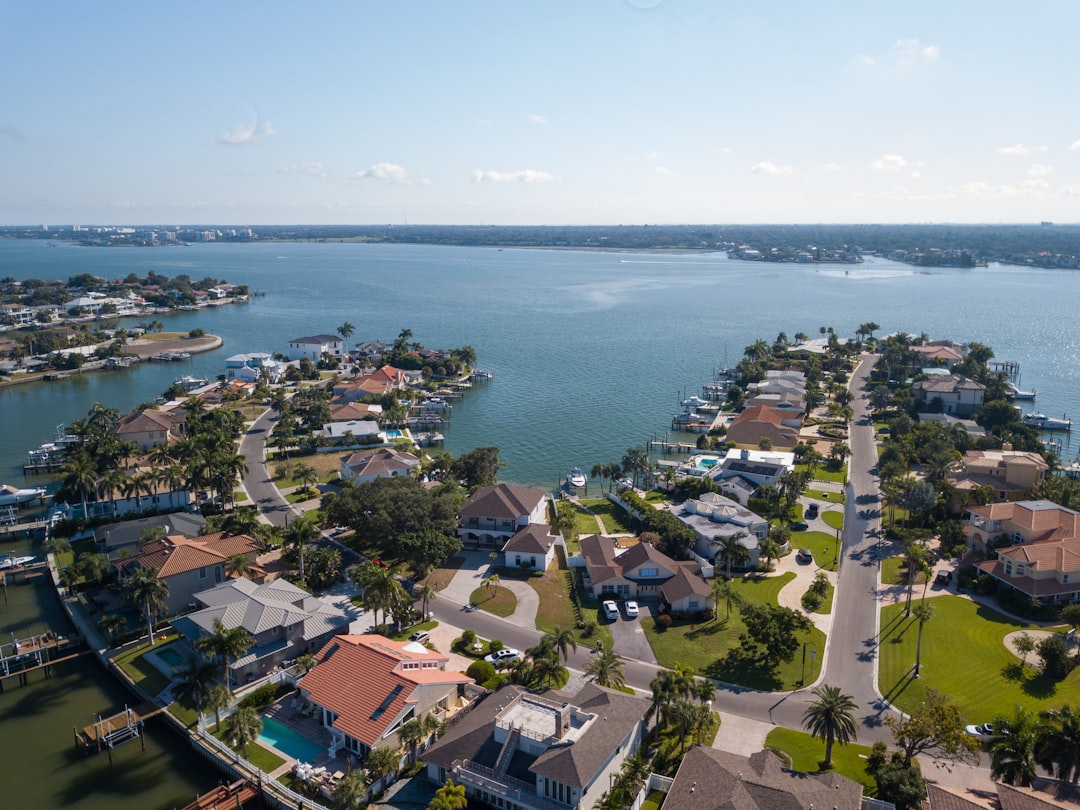
The median home price in Tampa Bay sits around $425,000 as of late 2024. Compare that to Los Angeles ($850,000), San Francisco ($1.3 million), or even Sacramento ($565,000), and the savings feel substantial. A 2,200-square-foot home with a pool in Westchase runs about $480,000. The same house in Irvine? Try $1.2 million.
But here's where California transplants get surprised: Tampa Bay's housing market moves fast, and inventory stays tight in desirable areas. Unlike some California markets where you might have weeks to decide, quality homes in neighborhoods like Hyde Park or Seminole Heights often receive multiple offers within days.
The property tax difference stings initially. Florida's average effective rate of 0.98% means your $450,000 Tampa home costs about $4,400 annually in property taxes. California's 0.62% rate seems better until you remember you're applying it to a much higher home value. That $900,000 California home? You're paying $5,580 in property taxes.
Income Tax: The Big Liberation
Florida's lack of state income tax creates immediate cash flow relief. A software engineer earning $140,000 annually saves roughly $8,400 per year compared to California's top bracket. For couples earning $200,000+ combined, the savings often exceed $15,000 annually.
I've watched families use these savings to pay down debt, boost retirement contributions, or simply breathe easier each month. The psychological relief of keeping more of your paycheck shouldn't be underestimated.
Everyday Costs: Mixed Results
Groceries cost about 8-12% less than California averages, but restaurant prices vary wildly by area. A dinner for two at Bern's Steak House in Tampa runs $180-220, similar to high-end California dining. Casual restaurants like Columbia Restaurant offer excellent meals for $25-35 per person — a better value than comparable California spots.
Gas prices typically run 15-20 cents below California levels, though we're still not talking Texas prices. Auto insurance costs more in Florida, often 20-30% higher than California rates due to uninsured drivers and weather risks.
Utilities present the biggest shock. Summer electric bills for a 2,200-square-foot home average $180-220 monthly. Your pool pump, air conditioning, and general humidity management create costs many Californians didn't anticipate.
Moving to Tampa Bay? Barrett Henry has been helping families relocate for over 23 years. Straight talk, smart strategy, no pressure.
Contact Barrett → | (813) 733-7907
Climate: More Complex Than You Think
The Weather Reality
Tampa Bay's subtropical climate differs significantly from most California zones. We average 246 sunny days annually — less than San Diego's 260, but more consistent year-round warmth. December highs reach 73°F, January lows rarely drop below 52°F.
Summer is intense. June through September brings daily highs in the low 90s with humidity levels that make 88°F feel like 98°F. The heat index regularly exceeds 100°F from July through early September. If you're coming from inland California areas accustomed to dry heat, Tampa's humid summers require adjustment.
Rain patterns differ dramatically. California's distinct wet/dry seasons give way to Florida's daily summer thunderstorms. From June through September, expect afternoon storms 4-5 days weekly. These aren't gentle sprinkles — they're intense downpours that cool temperatures but create humidity.
Hurricane Season: The Elephant in the Room
Living in Tampa Bay means accepting hurricane risk from June through November. We haven't taken a direct major hurricane hit since 1921, but close calls like Ian in 2022 remind us why preparation matters.
Modern building codes and insurance requirements make today's homes far more resilient than older construction. Still, evacuation plans and hurricane supplies become part of life. Most California transplants adapt quickly to the routine — it's more predictable than earthquakes and wildfires.
Seasonal Affective Disorder Relief
For Californians dealing with limited sunlight in northern regions, Tampa Bay's consistent sunshine provides genuine mental health benefits. Even our "winter" months deliver ample sunny days, and seasonal depression rates run significantly lower than national averages.
Lifestyle and Culture Shifts
The Pace of Life
Tampa Bay operates at a noticeably different pace than major California metros. Rush hour exists, but a 45-minute commute here covers distances that would take 90 minutes in LA traffic. Parking is generally free and abundant outside downtown cores.
Business meetings start with longer conversations. Restaurant service moves more deliberately. The Southern hospitality influence creates genuine friendliness, though some Californians initially interpret this as superficial.
Social Integration
Building new social circles requires more effort here than in California's transient environments. Tampa Bay has significant transplant populations, but many social groups center around local roots, college allegiances (Go Bulls!), or church communities.
Join activities immediately. Golf leagues, beach volleyball groups, neighborhood associations, and community volunteer work create natural connection points. The Seminole Heights area particularly welcomes newcomers, while South Tampa social circles can feel more established.
Outdoor Recreation Changes
Beach access improves dramatically. California beaches often require parking fees and early arrival for decent spots. Tampa Bay's beaches like Clearwater and St. Pete offer easier access, though summer crowds rival California popular spots.
Hiking disappears. Florida's flat terrain means walking trails replace mountain hikes. Busch Gardens provides thrills, but if mountain recreation defines your lifestyle, Tampa Bay requires significant adjustment.
Water activities expand. Boating, fishing, and water sports become more accessible year-round. The Hillsborough River, Tampa Bay, and Gulf waters offer consistent recreation opportunities that many Californians embrace enthusiastically.
Career and Business Considerations
Job Market Realities
Tampa Bay's job market has strengthened considerably, but salary expectations need adjustment. Tech roles average 15-25% less than California equivalents, though the cost-of-living offset usually provides better net income.
Major employers include Raymond James Financial, Tampa General Hospital, Publix, and growing tech companies like ConnectWise. The financial services sector particularly thrives here, while biotechnology and healthcare continue expanding.
Remote work makes the transition smoother for many. If you can maintain California-level income while enjoying Florida's cost structure, the financial benefits compound significantly.
Business Climate
Florida's business-friendly environment attracts entrepreneurs. No state income tax, streamlined permitting processes, and growing venture capital presence create opportunities. However, the professional network requires time to develop compared to California's established ecosystems.
Industry-Specific Considerations
Entertainment industry professionals find limited opportunities compared to California. Real estate professionals discover different licensing requirements but often thrive in Florida's active market. Healthcare workers generally find abundant opportunities with competitive compensation.
Education and Family Considerations
School Districts Overview
Tampa Bay's school quality varies significantly by district and specific schools. Hillsborough County schools receive mixed reviews (B- average), while Pinellas County generally performs better (B+ average).
Top elementary schools include Carrollwood Elementary (9/10 rating), Safety Harbor Elementary (9/10), and several schools in the Westchase area. High schools like Plant High School and Indian Rocks Christian School maintain strong reputations.
Private school options abound. Tampa Preparatory School, Berkeley Preparatory School, and Academy of the Holy Names provide excellent education for families prioritizing smaller class sizes and specialized programs.
College Proximity Benefits
University of South Florida's growing reputation creates opportunities for continued education and cultural events. USF's medical and engineering programs particularly shine, while the campus brings youthful energy to Tampa.
Florida's state university system offers excellent in-state tuition rates for residents. After establishing Florida residency, families save substantially on higher education costs compared to California's UC system.
Youth Activities and Sports
Year-round outdoor sports become possible. Youth baseball, soccer, and swimming programs operate twelve months annually. However, ice hockey and skiing opportunities disappear unless you're willing to travel.
The beach lifestyle creates new activity options. Surfing lessons, sailing camps, and marine biology programs provide experiences many California kids never accessed despite coastal proximity.
Neighborhood Selection Strategy
Best Areas for California Transplants
Hyde Park attracts young professionals seeking walkable urban lifestyle. Tree-lined streets, historic homes, and proximity to downtown appeal to former San Francisco or LA residents. Median home price: $650,000.
Westchase provides suburban family living with excellent amenities. New construction, top-rated schools, and master-planned community feel. Popular with Silicon Valley transplants. Median home price: $485,000.
South Tampa offers upscale living with beach access. Bayshore Boulevard provides scenic running and cycling routes. Higher prices but California transplants find the lifestyle familiar. Median home price: $750,000.
Seminole Heights draws creative professionals and young families. Historic charm meets modern renovation. Active food and arts scene reminds many of California's emerging neighborhoods. Median home price: $425,000.
Areas to Approach Cautiously
Some neighborhoods require careful evaluation. While Tampa Bay generally offers safety, certain areas experience higher crime rates or ongoing transition periods. Work with local real estate professionals who understand current market dynamics and neighborhood trajectories.
Moving to Tampa Bay? Barrett Henry has been helping families relocate for over 23 years. Straight talk, smart strategy, no pressure.
Contact Barrett → | (813) 733-7907
The Hidden Challenges
DMV and Registration Nightmare
Florida's DMV process frustrates even patient people. Plan full days for vehicle registration and license updates. Bring extensive documentation and prepare for multiple visits. The bureaucracy moves slowly despite Florida's business-friendly reputation.
Insurance Adjustments
Homeowner's insurance costs more and covers less than California equivalents. Hurricane coverage requires separate policies or riders. Flood insurance becomes essential in many areas, adding $400-800 annually to housing costs.
Auto insurance rates shock many transplants. Florida's high uninsured driver rates and no-fault insurance laws create expensive premiums. Shop extensively and consider higher deductibles to manage costs.
Healthcare Navigation
Florida's healthcare system operates differently than California's structured HMO environment. More independent practices exist, but coordinated care requires more personal management. Specialist wait times can extend longer than California averages in certain fields.
Banking and Financial Services
Major California banks like Wells Fargo and Bank of America maintain limited Florida presence. Many residents switch to regional banks like SunTrust (now Truist) or national online banks. Credit unions often provide better rates and service.
Making the Transition Successful
Pre-Move Preparation
Visit during summer months before committing. Tampa Bay's June-September weather tests many people's tolerance levels. If you can handle July humidity, you'll adapt fine.
Research specific neighborhoods thoroughly. Drive around during rush hour, weekend evenings, and early mornings. Each area has distinct personality and practical considerations that online research misses.
Establish Florida residency quickly to capture tax benefits and in-state tuition rates. Register to vote, obtain Florida driver's license, and update voter registration within required timeframes.
First-Year Priorities
Find your social tribe early. Join community groups, religious organizations, or hobby clubs immediately. Social isolation affects many relocating families, and Tampa Bay's transplant-friendly communities help newcomers integrate faster.
Explore systematically. Tampa Bay's attractions, restaurants, and activities take time to discover. Make lists and dedicate weekends to exploration. The region offers surprising depth once you move beyond tourist attractions.
Prepare for weather extremes. Invest in quality air conditioning service, hurricane supplies, and summer-appropriate clothing. The first summer always feels intense, but proper preparation minimizes discomfort.
Long-Term Integration
Embrace local culture gradually. Tampa Bay's food scene, sports teams, and community events create connection points. You don't need to abandon California roots, but engaging local culture enriches the experience.
Build professional networks intentionally. Join industry associations, attend Chamber of Commerce events, and participate in business networking groups. Professional relationships develop more slowly here but often prove deeper and more loyal.
Consider the permanent implications. Many California transplants initially plan temporary stays but end up remaining permanently. Evaluate long-term goals and family needs before making irreversible decisions like selling California property.
Frequently Asked Questions
How much money should I save before moving from California to Tampa Bay?
Plan for $15,000-25,000 in transition costs including moving expenses, deposits, and 3-6 months of living expenses. While housing costs decrease, initial setup expenses and income gaps during job searching require financial cushioning.
What's the biggest adjustment California transplants struggle with?
Summer humidity and afternoon thunderstorms challenge most newcomers. The weather feels oppressive from June through September, and many underestimate the adjustment period. Plan indoor activities and embrace air conditioning during peak summer months.
Can I keep my California salary while working remotely in Florida?
Many companies maintain salary levels for remote employees, creating substantial financial benefits. However, some employers adjust compensation for cost-of-living differences. Negotiate before relocating and understand your company's remote work policies.
How does Tampa Bay's school system compare to California's?
Individual school quality varies significantly, but top Tampa Bay schools match California's best public options. Private school costs run 30-40% below California levels while maintaining similar quality. Research specific schools rather than relying on district-wide ratings.
What neighborhoods feel most like California communities?
Hyde Park resembles San Francisco's residential areas with walkable streets and historic charm. Westchase mimics Orange County's master-planned communities. South Tampa offers upscale coastal living similar to Santa Monica or Manhattan Beach.
How long does it take to establish Florida residency for tax purposes?
Florida requires 183+ days of physical presence annually to claim residency for tax purposes. Obtain Florida driver's license, register to vote, and establish utility accounts in your name. Maintain detailed records of your time spent in Florida versus other states.
Is hurricane insurance really necessary in Tampa Bay?
Standard homeowner's policies exclude hurricane damage, requiring separate windstorm coverage. While Tampa Bay hasn't suffered direct major hurricane impact recently, proximity to Gulf waters creates risk. Most mortgage lenders require appropriate coverage, and the peace of mind justifies the cost.
What's the job market like for California professionals?
Tech, healthcare, and financial services offer strong opportunities with salaries 15-25% below California levels. The cost-of-living offset usually provides better net income. Remote work arrangements with California companies create optimal financial outcomes for many transplants.
Moving to Tampa Bay? Get a Local Expert.
Barrett Henry is a Broker Associate with REMAX Collective and over 23 years of real estate experience. Straight talk, smart strategy, no pressure.
Need Help Setting Up Your New Home?
Best Bay Services handles handyman work, home repairs, and maintenance for your new Tampa Bay home. Local, licensed, and trusted.
Questions & Answers
Have a question about this topic? Ask below and the community will help.
Sign in to ask or answer questions