Published June 8, 2024
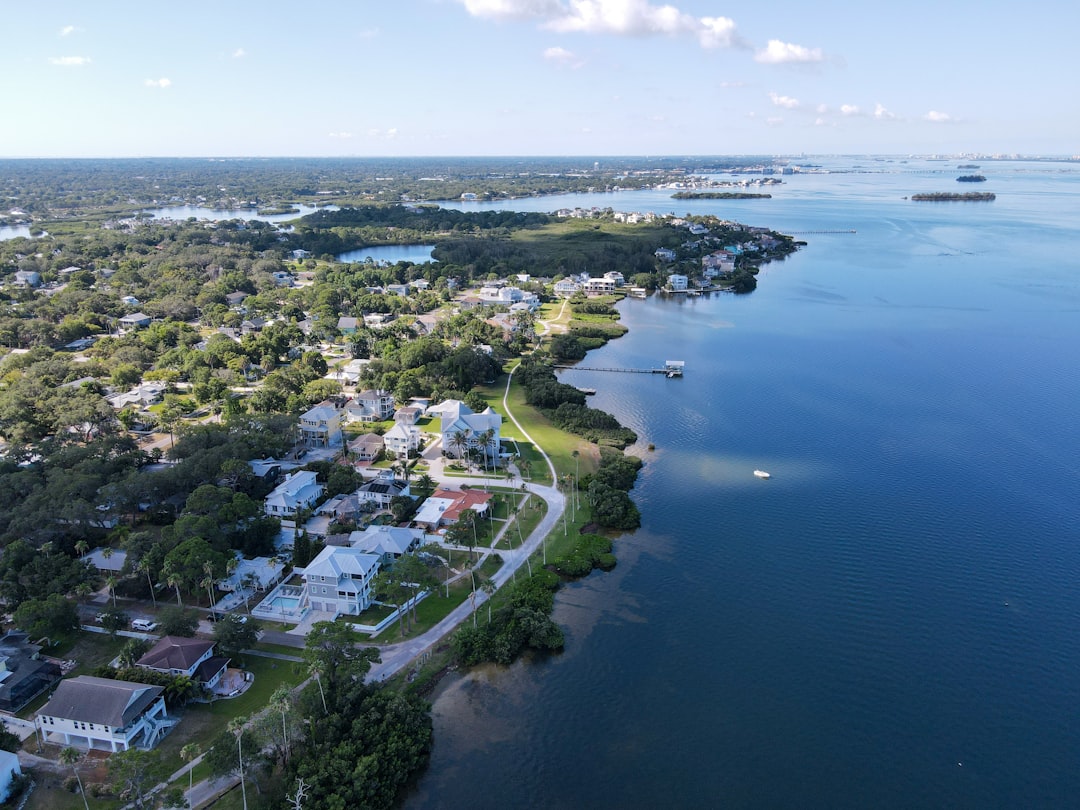
When you're looking at Tampa Bay on a map, that body of water creates the most important decision you'll make about where to live: east side or west side? After 23 years of helping families navigate this choice, I can tell you it's not just geography — it's lifestyle, commute patterns, and what you value most in daily life.
The Tampa Bay metro sprawls across two main counties separated by water. Hillsborough County anchors the east side with Tampa as its crown jewel, while Pinellas County dominates the west with St. Petersburg and the beach communities. Each side has developed its own personality, advantages, and trade-offs.
The Geography That Shapes Everything
That 25-mile-wide bay isn't just water — it's a lifestyle divider. Living on one side while working on the other means crossing bridges daily, and those bridges become chokepoints during rush hour and storm season. The Howard Frankland, Gandy, and Courtney Campbell are your lifelines, but they're also potential headaches.
East Side Advantages:
- More land means more growth potential and newer developments
- Direct access to I-75, I-4, and major highways
- Tampa International Airport (TPA) without bridge crossings
- More diverse job market and corporate headquarters
West Side Advantages:
- Beach access within 20-30 minutes from most areas
- More walkable, established neighborhoods
- Generally shorter commutes within Pinellas
- Cooler summers due to water influence
East Side Living: Hillsborough County Deep Dive
The east side is where Tampa Bay's explosive growth happens. Hillsborough County added over 150,000 residents between 2010 and 2020, and that pace isn't slowing down. This is suburbia on steroids, with master-planned communities, corporate relocations, and endless construction cranes.
Tampa Proper: Urban Energy Meets Southern Charm
Downtown Tampa pulses with energy. The Riverwalk connects everything from Armature Works to Sparkman Wharf, creating an urban playground that didn't exist a decade ago. Hyde Park offers tree-lined streets and $800,000 bungalows, while Seminole Heights serves up craft beer and $450,000 renovated Craftsman homes.
Real Numbers:
- Average home price in Hyde Park: $785,000
- Seminole Heights median: $425,000
- Downtown condo range: $350,000-$1.2 million
- Property taxes: roughly 1.1% of assessed value
You're 15 minutes from TPA, walking distance to Bern's Steakhouse, and can catch Lightning games without crossing water. The downside? Parking costs downtown, summer heat with less bay breeze, and you'll need to drive 45+ minutes for decent beach time.
Suburban Growth Corridors: Where Families Flock
Brandon/Riverview Area: This is family central — newer construction, A-rated schools like Buckhorn High (9/10 rating), and homes from $380,000 to $650,000. You're trading character for convenience, but when you have three kids and two careers, convenience wins.
Wesley Chapel/New Tampa: The ultimate suburban dream with a 25-minute commute tax. Homes here run $450,000-$750,000, but you get space, new everything, and resort-style amenities. Wiregrass Mall and The Shops at Wiregrass handle your retail therapy.
Westchase/Town 'n' Country: Established suburbs with mature trees and homes from $350,000-$600,000. Close enough to downtown (20 minutes) but far enough to avoid urban hassles.
The Commuter Reality
Living east side means embracing car culture. Everything's spread out, but highways move you efficiently when they're not jammed. Rush hour from Brandon to downtown: 35-45 minutes. From Wesley Chapel to Tampa: 30-40 minutes on a good day.
Moving to Tampa Bay? Barrett Henry has been helping families relocate for over 23 years. Straight talk, smart strategy, no pressure.
Contact Barrett → | (813) 733-7907
West Side Living: Pinellas County's Unique Appeal
Pinellas County is Tampa Bay's most densely populated county, but it doesn't feel cramped. It feels established. Where Hillsborough sprawls, Pinellas condenses. Where the east builds new, the west renovates and revitalizes.
St. Petersburg: The Renaissance City
St. Pete transformed itself from retirement destination to cultural hotspot. The downtown core around Central Avenue buzzes with galleries, breweries, and restaurants like The Mill and Noble Crust. Home prices reflect this renaissance — downtown condos range from $275,000 to $800,000, while historic neighborhoods like Old Northeast command $450,000-$950,000.
The Numbers:
- Median home price St. Pete: $385,000
- Property taxes: roughly 0.9% of assessed value
- Beach access: 15-25 minutes from downtown
- Commute to Tampa: 35-50 minutes depending on bridge traffic
The Dali Museum and Mahaffey Theater give you culture without Orlando prices. Tropicana Field hosts the Rays (for now), and the Saturday Morning Market creates community every weekend.
Beach Communities: Premium Lifestyle, Premium Prices
Clearwater Beach Area: Tourist central means great restaurants and entertainment, but also crowds and $650,000+ condos. Year-round beach access and sunset views justify the premium for many relocators.
Indian Rocks/Indian Shores: Quieter beach living with homes from $500,000 to $2 million. Less touristy than Clearwater but still Gulf-front premium pricing.
Dunedin/Palm Harbor: Scottish-themed Dunedin charms with its Main Street walkability and $400,000-$700,000 homes. Palm Harbor offers suburban family life 20 minutes from beaches, with homes ranging $350,000-$650,000.
The Peninsula Effect
Pinellas is shaped like a thumb sticking into the Gulf, which creates unique living patterns. North Pinellas (Tarpon Springs, Palm Harbor) feels suburban and family-focused. Central areas (Clearwater, Largo) balance affordability with access. South Pinellas (St. Pete, Gulfport) leans urban and artistic.
This geography means shorter commutes within the county but longer hauls to the east side. Working in Tampa while living in St. Pete? Budget 45-60 minutes each way, and pray the bridges cooperate.
The Bridge Factor: More Than Just Transportation
Those bridges aren't just concrete and steel — they're psychological barriers that shape daily life. Each has its personality:
Howard Frankland (I-275): The workhorse. Heaviest traffic but most direct route between downtowns. Morning backups from 7-9 AM, evening gridlock 4:30-6:30 PM.
Gandy Bridge (US 92): The scenic route with slightly lighter traffic. Connects south Tampa to south Pinellas efficiently.
Courtney Campbell Causeway: The longest but most beautiful. Light traffic except during events, but adds 10-15 minutes to your commute.
Veterans Expressway/Suncoast Parkway: Toll roads that connect north Pinellas to north Hillsborough. Faster but costs $3-5 daily.
Schools: A Tale of Two Systems
Both counties offer excellent public schools, but with different strengths:
Hillsborough County Schools:
- Larger system with more specialized programs
- Newer facilities in growth areas
- Top performers: Plant High (9/10), Newsome High (9/10), Steinbrenner High (8/10)
- More overcrowding in popular districts
Pinellas County Schools:
- Smaller, more manageable system
- Strong arts and International Baccalaureate programs
- Top performers: Dunedin High (8/10), Countryside High (8/10), Indian Rocks Christian (private, 9/10)
- Better teacher retention rates
Private school options exist on both sides, with Tampa Prep, Berkeley Prep, and Carrollwood Day School on the east, and Shorecrest Prep and Calvary Christian on the west.
Cost of Living Breakdown
Housing Costs (2024 averages):
- East Side: $420,000 median home price
- West Side: $385,000 median home price
- Property taxes favor west side slightly
- Insurance costs similar, both dealing with hurricane risk
Transportation:
- East side requires more driving, higher gas costs
- West side offers more walkable neighborhoods
- Bridge tolls add $60-120 monthly for cross-bay commuters
Utilities:
- Similar electric rates (TECO vs Duke Energy)
- West side benefits from Gulf breezes, lower AC costs
- Water/sewer rates comparable
Employment and Economy
East Side Advantages:
- More corporate headquarters (Raymond James, Tech Data, Jabil)
- Larger job market with higher average salaries
- Better highway access for sales territories
- Proximity to University of South Florida
West Side Advantages:
- Tourism and hospitality jobs
- Growing tech sector in St. Petersburg
- Shorter commutes within county
- Entrepreneurial culture in downtown St. Pete
Remote work changed the game. If you're working from home, west side's beach proximity and walkable neighborhoods win. If you're climbing corporate ladders, east side's business centers offer more opportunities.
Recreation and Lifestyle
East Side Recreation:
- Busch Gardens and Adventure Island
- Alafia River State Park for mountain biking
- Multiple golf courses in suburban developments
- Lightning hockey and Bucs football
- University of South Florida sporting events
West Side Recreation:
- Beach access within 30 minutes from anywhere
- John's Pass for fishing and watersports
- Honeymoon Island State Park
- Rays baseball (until they potentially move)
- Vibrant arts scene in St. Petersburg
The fundamental difference: east side builds recreation facilities, west side has natural recreation built in.
Weather and Natural Environment
Both sides share Tampa Bay's subtropical climate, but location creates subtle differences:
West Side Advantages:
- Gulf breeze moderates summer heat
- Spectacular sunsets over water
- Less urban heat island effect
- Better hurricane evacuation routes (head east)
East Side Reality:
- Hotter summers, especially inland areas
- More thunderstorms and lightning
- Urban heat in Tampa proper
- Hurricane vulnerability varies by specific location
Making Your Choice: Decision Framework
After helping hundreds of families navigate this choice, here's my framework:
Choose East Side If:
- Your job requires Tampa office presence
- You want newer construction and amenities
- You prioritize space and suburban lifestyle
- You don't mind car-dependent living
- You want access to major highways for travel
Choose West Side If:
- Beach access matters for your lifestyle
- You prefer walkable, established neighborhoods
- You work remotely or within Pinellas
- You enjoy cultural activities and arts
- You want a more condensed, community-feel environment
The Hybrid Solution: Some families split the difference with south Tampa or Westshore areas — technically east side but with easier west side access via Gandy Bridge.
Real Estate Market Trends
East Side Trends:
- New construction dominates suburban markets
- Inventory stays tight in desirable school districts
- Appreciation rates: 6-8% annually in prime areas
- Teardown and rebuild common in established neighborhoods
West Side Trends:
- Renovation and revitalization projects everywhere
- Beach properties maintain premium values
- St. Pete downtown sees strongest price growth
- More inventory turnover due to retiree relocations
Both sides benefit from Tampa Bay's overall growth, but east side captures more first-time homebuyers while west side attracts move-up buyers and empty nesters.
Moving to Tampa Bay? Barrett Henry has been helping families relocate for over 23 years. Straight talk, smart strategy, no pressure.
Contact Barrett → | (813) 733-7907
The Verdict: It's About Your Priorities
There's no universal "better" side — just better for your situation. East side wins for career growth, suburban amenities, and newer everything. West side wins for lifestyle, character, and natural beauty.
Most relocators agonize over this choice, but here's the truth: Tampa Bay's compact enough that you're never more than an hour from anything important. Pick the side that matches your daily routine and weekend priorities. The bridges connect you to everything else.
The fastest-growing families choose east side for schools and space. The lifestyle-focused choose west side for walkability and water. Both choices work — you just need to be honest about what you value most.
Frequently Asked Questions
How long does it take to drive from east side to west side during rush hour?
During peak hours (7-9 AM and 4:30-6:30 PM), crossing Tampa Bay takes 45-75 minutes depending on your specific route and destination. The Howard Frankland Bridge sees the heaviest traffic, while the Courtney Campbell Causeway typically flows better but adds distance.
Are property taxes higher on the east side or west side?
Property taxes are slightly lower on the west side (Pinellas County) at roughly 0.9% of assessed value compared to east side (Hillsborough County) at about 1.1%. However, home values vary significantly by neighborhood, so your actual tax bill depends more on your specific property value than which side of the bay you choose.
Which side has better schools for families with children?
Both counties offer excellent public schools with similar overall ratings. Hillsborough County has more specialized programs and newer facilities in growth areas, while Pinellas County offers a more manageable system size and strong arts programs. The best schools are found on both sides — research specific districts rather than choosing by county.
Is it worth living on one side and working on the other?
This depends on your tolerance for commuting and bridge traffic. If you work regular business hours, budget 45-60 minutes each way during rush hour. Many residents find the lifestyle benefits (beach access from east side job, or career opportunities from west side home) worth the commute trade-off.
Which side is more affordable for first-time homebuyers?
The west side (Pinellas County) currently offers a slightly lower median home price at $385,000 compared to the east side's $420,000. However, affordability varies dramatically by specific neighborhood. Areas like Largo and Kenneth City on the west side, or Brandon and Riverview on the east side, offer better entry-level pricing.
Do hurricanes affect one side more than the other?
Both sides face similar hurricane risks, but evacuation patterns differ. West side residents in flood zones typically evacuate east, while east side residents in flood zones may evacuate north or inland. Storm surge risk is higher for beachfront west side properties, while east side faces more inland flooding from heavy rains.
Which side has better nightlife and entertainment?
This depends on what you're seeking. East side offers more corporate entertainment, sports venues (Lightning, Bucs), and suburban chain restaurants. West side provides more walkable nightlife districts, local breweries, arts venues, and beach bars. Downtown Tampa and downtown St. Pete both offer vibrant scenes with different personalities.
How does the job market compare between east and west side?
The east side offers a larger, more diverse job market with higher average salaries, especially in corporate sectors like finance, healthcare, and technology. The west side has growing opportunities in tourism, arts, and emerging tech sectors, plus shorter commutes within Pinellas County. Remote workers have more flexibility to prioritize lifestyle over proximity to employment centers.
Moving to Tampa Bay? Get a Local Expert.
Barrett Henry is a Broker Associate with REMAX Collective and over 23 years of real estate experience. Straight talk, smart strategy, no pressure.
Need Help Setting Up Your New Home?
Best Bay Services handles handyman work, home repairs, and maintenance for your new Tampa Bay home. Local, licensed, and trusted.
Questions & Answers
Have a question about this topic? Ask below and the community will help.
Sign in to ask or answer questions