Published September 1, 2024
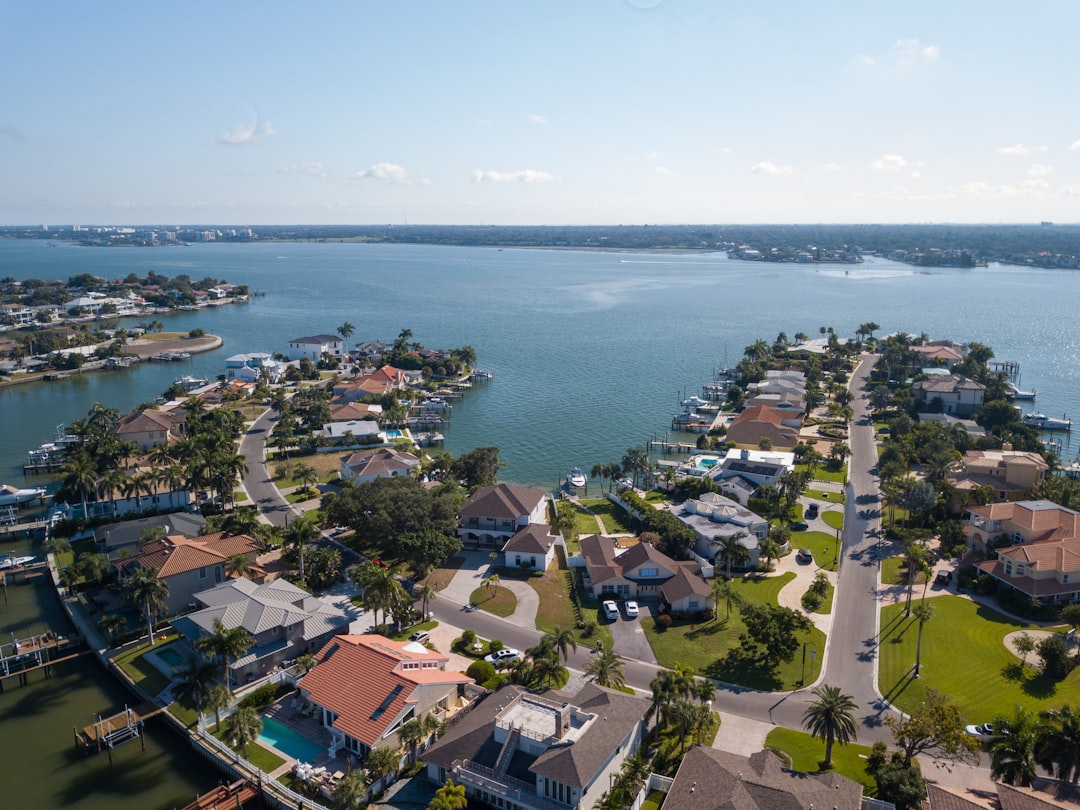
Nobody warns you about the mosquitoes when you're browsing those gorgeous Tampa Bay real estate photos. The listing shows that perfect lanai overlooking the water, but it doesn't mention that stepping outside at dusk without armor is basically volunteering as a blood donor.
After 23+ years of helping families relocate here, I've watched plenty of newcomers learn this lesson the hard way. Your first Florida summer shouldn't feel like biological warfare. Let's fix that.
Why Florida Mosquitoes Are Different (Spoiler: They're Worse)
Tampa Bay mosquitoes aren't your typical backyard annoyance. We're dealing with 80+ species that have evolved in a subtropical paradise designed for their success. Year-round warmth, standing water everywhere, and humidity that makes breeding conditions perfect.
The Aedes aegypti (yellow fever mosquito) and Aedes albopictus (Asian tiger mosquito) are the real villains here. They're day biters, aggressive, and small enough to slip through most standard screens. Unlike their northern cousins who take a polite evening shift, these guys work around the clock.
Our peak season runs April through October, but don't get comfortable in winter. A 75-degree February day will wake them right back up. I've shown houses in January where clients got eaten alive because they assumed winter meant safety.
The coastal areas around Pinellas County deal with salt marsh mosquitoes that can fly 20+ miles inland. Inland areas like Hillsborough and Pasco have freshwater breeders that explode after summer rains. Nobody escapes.
The Real Enemy: It's Not Just Mosquitoes
Let's talk about no-see-ums (biting midges). These microscopic vampires are somehow worse than mosquitoes. They're too small to see until you're covered in welts, they bite through most clothing, and they come out right at sunset when you want to enjoy your deck.
Sand flies along our beaches are another nightmare. They don't even look like the flying insects you expect. More like tiny jumping specs that leave you looking like you have chicken pox.
Yellow flies peak in late spring and early summer. Think horsefly meets heat-seeking missile. They'll chase you, they hurt when they bite, and they're practically bulletproof.
The combination is what gets people. You prep for mosquitoes, then get destroyed by no-see-ums. You handle those, then yellow flies find you. It's like playing whack-a-mole with tiny demons.
Defense Strategy #1: Yard Warfare
Your property is the battlefield. Win here and you can actually use that outdoor space you paid for.
Standing Water Elimination
Walk your property weekly. Mosquitoes need standing water to breed, and they're not picky. That decorative pot saucer, clogged gutter, or kids' forgotten bucket becomes a nursery for hundreds.
Check these spots religiously:
- AC drip pans and condensation lines
- Boat tarps that pool water (huge problem in waterfront neighborhoods)
- Tree holes and palm frond bases
- Decorative fountains that aren't circulating
- Trash cans and recycling bins
- Pool equipment areas and pump covers
One client in Westchase was getting eaten alive until we found a tarp covering their boat that had created a swimming pool for mosquitoes. Fixed that, problem solved.
Professional Treatment Programs
Mosquito control services run $75-150/month and they work. Companies like Mosquito Joe and local operators use barrier sprays that create a protective zone around your property.
They typically spray every 3-4 weeks, targeting shrubs, under decks, and other resting areas. The treatment kills adult mosquitoes on contact and provides residual protection for 2-3 weeks.
Is it worth it? If you want to use your outdoor space, absolutely. I've had clients go from avoiding their backyard to hosting pool parties after starting treatment.
DIY Yard Spraying
For the DIY crowd, Bifen IT and Talstar Pro are professional-grade options. Mix according to directions and spray using a pump sprayer or hose-end attachment.
Target the undersides of leaves, dense vegetation, and anywhere mosquitoes rest during the day. Reapply every 30 days or after heavy rains.
Warning: read labels carefully. Some products can't be used around water features or may affect beneficial insects.
Defense Strategy #2: Personal Protection That Actually Works
Repellent Reality Check
DEET works. It's not natural, it smells, and it feels gross, but it's the gold standard for good reason. For serious protection, you want 20-30% DEET concentration.
OFF! Deep Woods and Repel 100 are my go-to recommendations. Yes, they feel like coating yourself in plastic, but they work against mosquitoes, no-see-ums, and ticks.
Picaridin-based repellents like Sawyer Premium are less greasy and odorless. They're nearly as effective as DEET and more pleasant to use.
Clothing Defense
Light-colored, loose-fitting clothing helps. Dark colors attract mosquitoes, and they can bite through tight fabrics.
Permethrin-treated clothing is game-changing for serious outdoor activities. Insect Shield clothing or DIY treatment with Sawyer Permethrin creates clothing that's toxic to mosquitoes.
For no-see-ums, you need coverage. They'll bite through normal fabrics. Think long sleeves, pants, and closed shoes for dawn and dusk activities.
The Thermacell Revolution
Thermacell devices create a 15-foot protection zone using heat-activated repellent. They're perfect for patios, campsites, and outdoor dining.
I keep one on my back deck and it's transformed our evening routine. No more rushing inside at sunset or eating dinner while swatting mosquitoes.
The newer rechargeable models work better than the butane versions, and you can find refill cartridges at most local stores.
Defense Strategy #3: Timing and Location Strategy
Know the Peak Hours
Dawn and dusk are prime time for most mosquitoes. That magical hour when the light is perfect for photos? Also perfect for getting eaten alive.
Plan indoor activities during these windows, or go full protection mode. That sunset cocktail on the deck needs repellent, fans, and maybe a Thermacell.
Mid-day heat actually reduces mosquito activity. They're hiding in shade and vegetation, so afternoon pool time is usually safer.
Weather Patterns Matter
Post-rain explosions are real. Heavy summer rains create temporary breeding sites everywhere. Expect mosquito populations to spike 5-7 days after significant rainfall.
Windy days offer relief. Mosquitoes are weak fliers, so a 10+ mph breeze keeps them grounded. Check weather apps before planning outdoor activities.
Drought periods can concentrate mosquitoes around remaining water sources. That retention pond in your subdivision becomes mosquito central when other areas dry up.
Advanced Tactics for Hardcore Situations
Fan Defense Systems
Mosquitoes can't fly in wind speeds above 2-3 mph. Strategically placed fans create mosquito-free zones on patios and decks.
Ceiling fans, pedestal fans, or permanent outdoor fans all work. The key is creating air movement at ground level where you're sitting.
Some clients have installed multiple fans around their pool areas and created virtually mosquito-free zones. It's not subtle, but it works.
Natural Alternatives (That Sometimes Work)
Essential oil sprays work for about 20 minutes against light mosquito pressure. Cutter Lemon Eucalyptus is the most effective natural option.
Citronella candles are mostly decorative. The scent might help slightly, but don't count on them for real protection.
Bug zappers kill everything except mosquitoes. They're attracted to the light but rarely get close enough to be zapped.
Property Modifications
Strategic landscaping reduces mosquito habitat. Replace dense ground cover with rocks or mulch. Trim vegetation to improve air circulation.
Install or improve drainage around AC units, pool equipment, and low-lying areas. French drains, catch basins, and proper grading eliminate breeding sites.
Screen rooms and enclosed patios are the ultimate solution. Yes, they're expensive ($15,000-50,000+), but they create livable outdoor space year-round.
Moving to Tampa Bay? Barrett Henry has been helping families relocate for over 23 years. Straight talk, smart strategy, no pressure.
Contact Barrett → | (813) 733-7907
Neighborhood-Specific Challenges
Waterfront Properties
Living on Tampa Bay, the Hillsborough River, or any waterfront brings unique challenges. Salt marsh mosquitoes breed in tidal areas and can travel 20+ miles inland.
Properties with seawalls and docks create perfect resting spots for mosquitoes. The combination of standing water and protection from wind makes these areas mosquito magnets.
Consider professional treatment programs if you're waterfront. The DIY approach rarely cuts it when you're dealing with constant pressure from breeding areas you can't control.
New Construction Areas
Developing neighborhoods in places like Fishhawk, Riverview, and Westchase often have mosquito issues while drainage systems mature.
Construction sites create temporary water collection points. Retention ponds may not have proper circulation systems yet. Disturbed soil and vegetation changes create new breeding opportunities.
The good news: these issues usually resolve as development completes and proper drainage is established.
Established Neighborhoods
Mature neighborhoods have their own patterns. Old oak trees create shaded areas where mosquitoes rest. Established landscaping may have created inadvertent breeding sites.
Neighborhoods near preserves, parks, or retention ponds deal with constant pressure from areas beyond their control. Hyde Park, Seminole Heights, and areas near the Hillsborough River greenway are examples.
Professional treatment becomes more important in these locations since you can't control the source.
Product Recommendations by Situation
Light Activity (Walking, Brief Outdoor Tasks)
- OFF! FamilyCare (7% DEET)
- Repel Lemon Eucalyptus (natural alternative)
- Light-colored, loose clothing
Medium Activity (Yard Work, Pool Time)
- OFF! Deep Woods (25% DEET)
- Thermacell Patio Shield for stationary activities
- Fan for air circulation
Heavy Duty (Hiking, Camping, Extended Outdoor Time)
- Repel 100 (98% DEET)
- Permethrin-treated clothing
- Bug net/head net for extreme situations
Yard Treatment
- Bifen IT (DIY professional treatment)
- Mosquito Dunks (for water features)
- Oscillating fan (outdoor air circulation)
Common Mistakes That Make Everything Worse
Over-Watering Landscaping
That perfect green lawn requires water, but over-watering creates muddy areas and standing puddles. Mosquitoes don't need much — a bottle cap of water can produce dozens of mosquitoes.
Adjust irrigation timing and amounts. Water early morning so excess evaporates quickly. Fix broken sprinkler heads that create puddles.
Ignoring Gutters
Clogged gutters are mosquito paradise. They hold water, collect organic matter, and provide perfect breeding conditions. Clean gutters 2-3 times per year minimum.
Install gutter guards if you're surrounded by oak trees. The investment pays off in reduced maintenance and mosquito control.
Relying on Citronella Alone
Citronella candles, tiki torches, and plants provide minimal protection. They smell nice and create ambiance, but don't count on them when mosquitoes are serious.
Use them as part of a layered defense, not as your primary protection.
Waiting Until Peak Season
Starting mosquito control in June is like putting on sunscreen after you're burned. Begin treatments in March-April before populations explode.
Early season control prevents breeding cycles from establishing. It's easier to maintain low populations than to knock down established ones.
Focusing Only on Your Property
Your neighbor's neglected pool, that vacant lot down the street, or the construction site nearby affects your mosquito pressure. Sometimes community action is needed.
HOAs and neighborhood groups can coordinate professional treatments or address community breeding sites. Individual effort has limits when dealing with area-wide problems.
The Nuclear Option: When to Call Professionals
Some situations require professional intervention:
Consistent failure of DIY methods: If you're doing everything right and still getting eaten alive, call the pros.
Large properties: Anything over an acre becomes difficult to treat effectively yourself.
Waterfront or preserve-adjacent: Constant pressure from untreatable areas requires professional-grade solutions.
Health concerns: If anyone in your family has severe reactions to bites or West Nile/Zika concerns.
Special events: Weddings, parties, or important outdoor gatherings justify one-time professional treatment.
Expect to pay $150-300 for one-time treatment of an average residential property. Monthly programs run $75-150 depending on property size and treatment intensity.
Planning your Tampa Bay move? Get the inside scoop on neighborhoods, schools, and what it's really like to live here.
Download our FREE Moving Guide → | Explore Tampa Bay Counties →
Frequently Asked Questions
Do those ultrasonic mosquito repellers actually work?
No. Multiple scientific studies have shown ultrasonic devices have zero effect on mosquito behavior. Save your money for proven methods like DEET or professional treatments. The FTC has actually fined companies for false advertising claims about these devices.
What's the best time of year to move to avoid mosquito season?
November through February offers the most relief, but even winter has occasional warm spells that wake them up. If you're moving in spring or summer, plan for immediate mosquito control measures. Don't wait to "see how bad it gets" — start prevention early.
Can I treat my own yard as effectively as professional services?
For small properties (under half an acre) with basic mosquito pressure, DIY can work well. But professional services have access to more effective products, better equipment, and the experience to identify problem areas you might miss. Waterfront or heavily wooded properties almost always need professional help.
Are natural repellents safe for kids and pets?
Natural doesn't always mean safer. Essential oil concentrations can cause skin reactions in sensitive individuals. Lemon eucalyptus oil (the active ingredient in many natural repellents) isn't recommended for children under 3. Always read labels and test on small skin areas first.
How do I know if my neighborhood mosquito control program is working?
You should notice reduced mosquito activity within 2-3 weeks of treatment. However, mosquitoes from untreated areas will move in, so you'll never achieve 100% elimination. Look for the ability to spend time outdoors during peak hours without getting multiple bites.
What should I do if I suspect West Nile or Zika virus symptoms?
Contact your healthcare provider immediately if you develop fever, headache, body aches, or rash after mosquito bites. While cases are relatively rare in Tampa Bay, both viruses are present in Florida. Document when and where you were bitten if possible, and don't wait to seek medical attention if symptoms develop.
Moving to Tampa Bay? Get a Local Expert.
Barrett Henry is a Broker Associate with REMAX Collective and over 23 years of real estate experience. Straight talk, smart strategy, no pressure.
Need Help Setting Up Your New Home?
Best Bay Services handles handyman work, home repairs, and maintenance for your new Tampa Bay home. Local, licensed, and trusted.
Questions & Answers
Have a question about this topic? Ask below and the community will help.
Sign in to ask or answer questions