Published April 17, 2024
Two waterfront gems on opposite sides of the Pinellas Peninsula, Gulfport and Treasure Island couldn't be more different despite sharing the same county. After 23 years showing homes in both communities, I've watched families make this exact choice dozens of times — and the "right" answer always comes down to lifestyle.
Gulfport gives you artsy small-town vibes with a quirky downtown, while Treasure Island delivers sugar-sand beaches with a resort town feel. Both communities offer waterfront living, but they attract completely different types of residents. Let's break down what makes each special and which might fit your Tampa Bay relocation better.
The Tale of Two Waters: Location and Setting
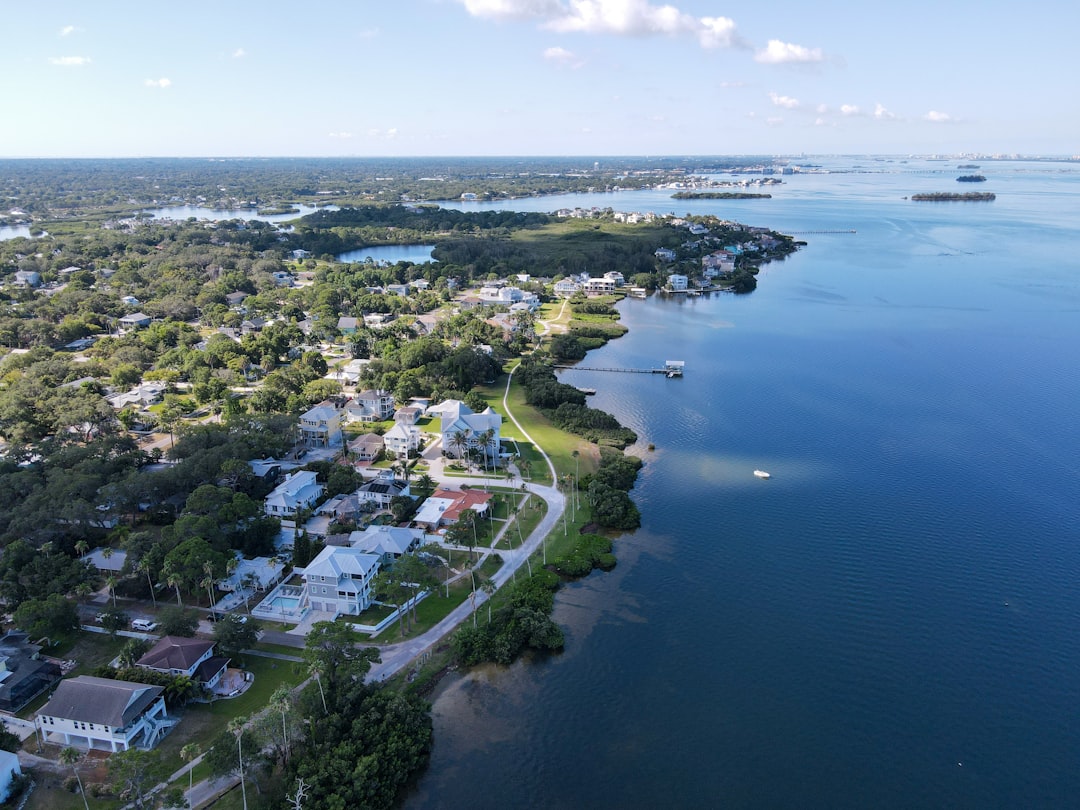
Gulfport sits on the Boca Ciega Bay side of the peninsula, about 15 minutes south of downtown St. Petersburg. This 2.8-square-mile city wraps around a protected bay with calmer waters, perfect for kayaking and paddleboarding. The downtown core centers around Beach Boulevard, where you'll find the famous Gulfport Casino (not actually a casino — it's a historic ballroom and event venue).
Treasure Island stretches along the Gulf of Mexico on a barrier island connected to the mainland by the Treasure Island Causeway. At 5.4 square miles, it's nearly twice Gulfport's size but feels more spread out. The community splits into two main areas: the northern end near John's Pass and the quieter southern residential section.
The water difference matters more than most people realize. Gulfport's bay waters stay calmer year-round, making them ideal for families with small kids or anyone wanting to paddle without fighting waves. Treasure Island's Gulf waters bring bigger waves, better fishing, and those postcard sunsets — but also red tide concerns and rougher conditions during storms.
Distance-wise, both communities sit about 25 minutes from downtown Tampa and 45 minutes from Tampa International Airport. Gulfport edges slightly closer to St. Pete's cultural attractions, while Treasure Island offers quicker access to Clearwater Beach via the Treasure Island Causeway.
Housing Market Reality Check
Let's talk numbers — because 2024 pricing tells the real story about these communities.
Gulfport Housing Market
Gulfport's housing stock leans heavily toward older homes with character. You'll find 1920s-1960s bungalows, many updated with modern touches while keeping their original charm. The median home price hovers around $485,000, with waterfront properties pushing $750,000-$1.2 million.
Popular neighborhoods include:
- Historic Gulfport: 1920s homes near downtown, $400,000-$650,000
- Stetson area: Mid-century homes with larger lots, $450,000-$700,000
- Waterfront zones: Bay-front properties, $750,000-$1.5 million
Condos are limited but available, typically ranging from $275,000-$450,000 for 2-bedroom units. The city's strict building codes and historic preservation efforts keep inventory tight — expect 2-3 months of housing supply versus the county average of 4-5 months.
Treasure Island Housing Market
Treasure Island offers more variety, from beachfront condos to inland single-family homes. The median home price runs about $545,000, reflecting the premium for Gulf access. Condos dominate the market, especially high-rises built in the 1970s-1980s.
Housing breakdown:
- Beachfront condos: $350,000-$800,000+ depending on floor and view
- Inland single-family: $450,000-$750,000
- Luxury Gulf-front homes: $1.2 million-$3 million+
- Mid-rise condos: $275,000-$525,000
The condo association fees run $400-$800 monthly for most buildings, covering insurance, maintenance, and amenities. Always factor these into your budget — they're not going anywhere.
One major consideration: flood insurance. Treasure Island properties often require it, adding $2,000-$4,000 annually. Gulfport's bay-side location typically sees lower flood insurance costs, though waterfront properties still need coverage.
Lifestyle and Community Character
This is where these communities really diverge.
Gulfport: Artists, Activists, and Awesome Weirdness
Gulfport earned its reputation as "Tampa Bay's hippest small town" honestly. The community embraces its quirky side with monthly events like the First Friday Art Walk, where local galleries stay open late and street performers entertain crowds along Beach Boulevard.
The Tuesday Fresh Market brings the community together every week at the Gulfport Casino. Vendors sell everything from organic produce to handmade jewelry, while live music plays on the waterfront stage. It's genuinely one of the best community markets in Pinellas County.
Gulfport attracts:
- Artists and creatives
- Young professionals seeking affordable waterfront living
- Empty nesters wanting walkable community
- Families drawn to the small-town feel
The downtown core spans about six blocks but packs serious personality. You'll find the Gulfport Library (housed in a gorgeous 1920s building), numerous art galleries, vintage shops, and restaurants that locals actually frequent.
Treasure Island: Beach Life with Tourist Energy
Treasure Island operates on beach town time. The pace feels more relaxed, but there's always underlying tourist energy, especially during peak season (December through April).
The community centers around John's Pass Village, a touristy but fun waterfront shopping and dining complex. You'll find chain restaurants mixed with local seafood spots, souvenir shops, and fishing charters. It's the kind of place where flip-flops count as formal wear.
Treasure Island attracts:
- Retirees seeking maintenance-free beachfront living
- Vacation rental investors
- Beach lifestyle enthusiasts
- Families wanting easy Gulf access
The year-round population hovers around 7,000, but swells to 15,000+ during peak season. This creates a interesting dynamic — quiet summers when you have the beach mostly to yourself, busy winters when parking becomes a competitive sport.
Dining and Entertainment Options
Gulfport's Culinary Scene
Gulfport punches way above its weight for dining options. The compact downtown creates a walkable restaurant row that locals genuinely love.
Must-try spots:
- Pia's Trattoria: Authentic Italian with outdoor seating overlooking the bay
- The Reef: Upscale seafood in a casual setting
- Neptune Grill: Local favorite for breakfast and lunch
- Backfin Blue Cafe: Elevated comfort food with craft cocktails
- O'Maddy's Bar & Grille: Sports bar atmosphere with surprisingly good food
The weekly Farmer's Market adds food trucks and local vendors every Tuesday. Plus, you're 15 minutes from St. Pete's expanding restaurant scene if you want more variety.
Treasure Island Dining
Treasure Island's dining scene splits between tourist-focused spots and hidden local gems. The proximity to tourism means more chain restaurants but also some excellent seafood options.
Top picks:
- Shrimp Basket: No-frills seafood that locals actually frequent
- Ricky T's Bar & Grille: Waterfront dining at John's Pass
- Caddy's on the Beach: Beach bar with live music and Gulf views
- VIP Lounge: Dive bar charm with karaoke nights
- Gators Cafe & Saloon: Breakfast spot popular with locals
The John's Pass area offers typical beach town fare — lots of fried seafood and tropical drinks. For serious dining, most residents drive to nearby St. Pete Beach or back to St. Petersburg.
Schools and Family Considerations
Both communities fall within the Pinellas County School District, which ranks among Florida's best with a B+ overall rating.
Gulfport School Options
Elementary-age kids typically attend:
- Gulfport Elementary (A-rated): Walking distance for most downtown residents
- Anona Elementary (A-rated): Serves northern sections
Middle and high schoolers usually go to:
- John Hopkins Middle (B-rated): About 10 minutes away
- Northeast High School (A-rated): Strong academic programs, 15-minute drive
The compact city means most schools stay within reasonable distance. Many families also consider the excellent magnet and choice programs available throughout Pinellas County.
Treasure Island School Zones
Treasure Island students typically attend:
- Anona Elementary (A-rated): About 15-minute drive
- John Hopkins Middle (B-rated):
- Northeast High School (A-rated): 20-minute drive to St. Petersburg
The barrier island location means longer school commutes for parents, though school bus service covers most areas. Some families prefer private schools like Admiral Farragut Academy or Northside Christian.
Family Life Comparison
Gulfport offers more walkable family activities. Kids can bike to the library, walk to the weekly market, and play in several small parks. The protected bay waters make it safer for young swimmers and water activities.
Treasure Island provides that classic beach childhood experience — building sandcastles, collecting shells, and learning to surf. However, the tourist traffic and busy beach environment require more parental supervision.
Both communities have active youth programs and maintain safe, family-friendly environments. The choice often comes down to whether you want small-town intimacy or beach town adventure.
Moving to Tampa Bay? Barrett Henry has been helping families relocate for over 23 years. Straight talk, smart strategy, no pressure.
Contact Barrett → | (813) 733-7907
Transportation and Accessibility
Getting Around Gulfport
Gulfport's compact size makes it incredibly walkable. The downtown core spans about six blocks, and most residents can walk to restaurants, shops, and the waterfront within 10 minutes. Bike paths connect residential areas to downtown, and the flat terrain makes cycling easy for all ages.
Parking downtown gets tight during events but it's manageable most days. The city maintains several free public lots, including spaces near the Casino and along Beach Boulevard.
For longer trips:
- Downtown St. Petersburg: 15 minutes
- Tampa International Airport: 45 minutes
- Tampa downtown: 30 minutes via I-275
- Clearwater Beach: 25 minutes
Public transit options are limited. PSTA bus routes serve the area, but most residents rely on cars for anything beyond the immediate neighborhood.
Treasure Island Transportation
Treasure Island requires more driving due to its spread-out nature and barrier island location. The Treasure Island Causeway (SR 699) provides the main connection to the mainland — and it gets congested during rush hours and peak tourist season.
Internal transportation:
- Beach trolley runs during peak season
- Most neighborhoods require driving to reach amenities
- Parking can be challenging during busy periods
- Bicycle-friendly with designated bike lanes
Travel times:
- St. Pete Beach: 10 minutes
- Tampa International Airport: 50 minutes
- Downtown Tampa: 35-40 minutes
- St. Petersburg: 25 minutes
The tourist season (December-April) significantly impacts traffic flow. What takes 10 minutes in summer might require 20-25 minutes during snowbird season.
Recreation and Outdoor Activities
Gulfport's Bay-Side Adventures
Gulfport's protected bay location creates perfect conditions for paddling sports. The calm waters make it ideal for beginners learning kayaking or paddleboarding. Local outfitters rent equipment, and several launch points provide easy water access.
Popular activities:
- Kayaking and paddleboarding: Explore mangrove tunnels and quiet coves
- Fishing: Bay fishing for snook, redfish, and trout
- Sailing: Protected waters perfect for learning
- Walking/jogging: Waterfront paths with scenic views
- Art walks and festivals: Monthly community events
The Gulfport Marina accommodates boats up to about 40 feet, though slips fill up quickly. Many residents keep smaller boats at private docks throughout the residential areas.
Beach access requires a short drive to nearby St. Pete Beach or Pass-a-Grille, but most residents don't mind the trade-off for calmer home waters.
Treasure Island's Gulf Coast Playground
Living on the Gulf of Mexico means world-class beaches right outside your door. Treasure Island Beach stretches for miles with sugar-white sand and excellent swimming conditions most of the year.
Beach activities:
- Swimming and sunbathing: Miles of pristine Gulf beaches
- Surfing: Decent waves, especially during storm systems
- Deep-sea fishing: Charter boats leave from John's Pass daily
- Shell collecting: Excellent shelling, especially after storms
- Beach volleyball: Courts available at several locations
The John's Pass area offers additional water activities like jet ski rentals, parasailing, and dolphin watching tours. The pass itself provides excellent fishing opportunities and connects to the Intracoastal Waterway.
Beach parking can be challenging during peak season. Residents often walk or bike to beach access points to avoid the hassle.
Weather and Seasonal Considerations
Both communities enjoy Tampa Bay's subtropical climate, but their different water exposures create subtle variations in daily conditions.
Gulfport Weather Patterns
The bay-side location provides some protection from Gulf storms and red tide events. Summer temperatures typically run 1-2 degrees cooler thanks to the bay breeze effect. The protected waters rarely see the rough conditions that can make Gulf beaches less pleasant during storms.
Red tide, when it occurs, usually impacts Gulfport less severely than Gulf-front communities. The bay's circulation patterns often keep the worst algae blooms offshore.
Treasure Island Weather Reality
Gulf-front living means more direct exposure to storms, both the exciting kind (dramatic sunsets and lightning shows) and the concerning kind (hurricanes and tropical storms). The barrier island location can experience stronger winds and higher storm surge during severe weather events.
Red tide affects Treasure Island more directly when it occurs. During bad blooms, residents might need to avoid beach activities and deal with respiratory irritation from airborne toxins.
Summer sea breezes provide natural cooling, but the open Gulf exposure can make some days feel hotter and more humid than inland areas.
Hurricane evacuation becomes more critical for Treasure Island residents due to storm surge risks. The causeway can experience backups during mandatory evacuations.
Cost of Living Beyond Housing
Gulfport Living Costs
The small-town atmosphere keeps many daily costs reasonable. Local restaurants offer good value, and the walkable downtown reduces transportation costs. Property taxes average about $8-12 per $1,000 of assessed value.
Monthly budget considerations:
- Dining out: $15-35 per person at local favorites
- Utilities: $120-180 for typical 2-bedroom home
- Internet/cable: $80-120 monthly
- Flood insurance: $800-2,500 annually (waterfront properties)
- HOA fees: Rare in most neighborhoods
The weekly farmer's market provides affordable local produce, and several shops offer reasonably priced everyday items without tourist markup.
Treasure Island Expenses
Beach town living comes with premium pricing on many items. Restaurants cater to tourists, so expect higher meal costs. Grocery shopping often requires trips to the mainland for better selection and prices.
Budget factors:
- Dining out: $20-50 per person for decent meals
- Condo fees: $400-800 monthly for most buildings
- Utilities: $140-220 (AC works harder against Gulf humidity)
- Flood insurance: $2,000-4,000+ annually
- Beach parking: Can add up if you don't live beachfront
Gas, groceries, and services typically cost 10-15% more than mainland prices due to the tourist economy and transportation costs.
Investment and Resale Potential
Gulfport Market Trends
Gulfport's unique character and limited housing supply create strong resale potential. The community's growing reputation as an arts destination continues attracting new residents, supporting property values.
Properties near downtown or with water views appreciate fastest. The city's resistance to over-development helps maintain the small-town character that buyers seek.
Average appreciation: 6-8% annually over the past five years Days on market: 30-60 for well-priced homes Rental demand: Strong for annual rentals, limited short-term rental opportunities
Treasure Island Investment Outlook
The beach location provides inherent value, but market performance varies by property type. Beachfront condos typically hold value better than inland properties. The tourist rental market offers income potential but requires proper management.
Considerations for investors:
- Seasonal rental income can offset carrying costs
- Condo buildings vary widely in condition and desirability
- Hurricane risk affects insurance costs and buyer psychology
- Tourist market changes impact rental demand
Average appreciation: 5-7% annually Days on market: 45-75 days depending on season Rental yields: 4-8% for vacation rentals, 3-5% for annual
Moving to Tampa Bay? Barrett Henry has been helping families relocate for over 23 years. Straight talk, smart strategy, no pressure.
Contact Barrett → | (813) 733-7907
Making Your Choice: Gulfport vs Treasure Island
After showing homes in both communities for over two decades, I've learned that the "better" choice depends entirely on what kind of waterfront life you're seeking.
Choose Gulfport if you want:
- Small-town community feel with artistic flair
- Walkable downtown with local character
- Calmer bay waters for paddling and swimming
- Lower overall living costs
- Less tourist impact on daily life
- Quirky local events and strong neighborhood connections
Choose Treasure Island if you want:
- Direct Gulf beach access with white sand
- Resort-style amenities and services
- Investment property with rental potential
- Classic beach town atmosphere
- Better fishing and water sports opportunities
- Spectacular sunsets over the Gulf
Both communities offer authentic Florida waterfront living, just in different packages. Gulfport gives you the charm of a small arts town with water access, while Treasure Island delivers the full beach lifestyle experience.
The housing costs favor Gulfport slightly, but both markets remain competitive. Your daily lifestyle preferences — quiet bay mornings vs. Gulf beach sunsets — probably matter more than the price difference.
Visit both communities during different seasons if possible. Gulfport maintains its character year-round, while Treasure Island transforms dramatically between summer's local vibe and winter's tourist energy.
Frequently Asked Questions
Which community has better restaurants and nightlife?
Gulfport offers more diverse, locally-owned dining options within walking distance, while Treasure Island focuses more on beach bars and tourist-oriented restaurants. For serious nightlife, both communities are about 15-20 minutes from St. Petersburg's downtown scene.
Is flood insurance required in both areas?
Most waterfront properties in both communities require flood insurance, but Treasure Island properties typically face higher premiums due to Gulf exposure and storm surge risks. Gulfport's bay-side location often qualifies for lower flood insurance rates.
Which area is better for families with children?
Gulfport provides a more walkable, small-town environment with easier access to community activities, while Treasure Island offers the classic beach childhood experience. Both have access to quality Pinellas County schools, though commute times are longer from Treasure Island.
How do hurricane risks compare between the two locations?
Treasure Island faces higher hurricane risks due to its Gulf-front barrier island location and storm surge exposure. Gulfport's bay-side position provides more protection, though both communities require evacuation during major storms.
Can you walk to the beach from both communities?
In Gulfport, you can walk to the bay waterfront and marina, but Gulf beaches require a 10-15 minute drive. Treasure Island residents have direct walking access to Gulf beaches from most neighborhoods.
Which community offers better investment potential?
Both markets show strong appreciation, but serve different investment strategies. Gulfport works well for long-term value appreciation and annual rentals, while Treasure Island offers vacation rental income potential but with higher carrying costs and seasonal fluctuations.
How do the commute times to Tampa compare?
Both communities are roughly equidistant from Tampa, with 30-40 minute drives to downtown during normal traffic. Gulfport has slightly easier access to major highways, while Treasure Island requires crossing the causeway, which can add time during peak periods.
Which area has lower overall living costs?
Gulfport generally offers lower day-to-day living costs with more affordable dining, less tourist pricing, and often lower HOA fees. Treasure Island's beach location comes with premium pricing for most goods and services, plus typically higher condo association fees.
Moving to Tampa Bay? Get a Local Expert.
Barrett Henry is a Broker Associate with REMAX Collective and over 23 years of real estate experience. Straight talk, smart strategy, no pressure.
Need Help Setting Up Your New Home?
Best Bay Services handles handyman work, home repairs, and maintenance for your new Tampa Bay home. Local, licensed, and trusted.
Questions & Answers
Have a question about this topic? Ask below and the community will help.
Sign in to ask or answer questions