Published February 22, 2025
Look, I'll be straight with you about Dunedin. After 23 years of helping families move around Tampa Bay, I've seen people fall hard for this city — and I've also seen some folks get reality-checked by what small-town Florida living actually entails.
Dunedin sits on the western edge of Pinellas County, population around 36,000, and it's got this Scottish-themed charm that either clicks with you immediately or feels a bit forced. The city earned its name from Scottish settlers, and they've leaned into that heritage with Highland Games, bagpiper parades, and enough tartan to outfit a small army.
But here's what matters for your daily life: Dunedin delivers on walkability, community feel, and access to some of the best beaches in Florida — all while maintaining home values that haven't completely lost their minds like some Tampa Bay markets.
The Real Deal on Dunedin Neighborhoods
Downtown Dunedin Historic District
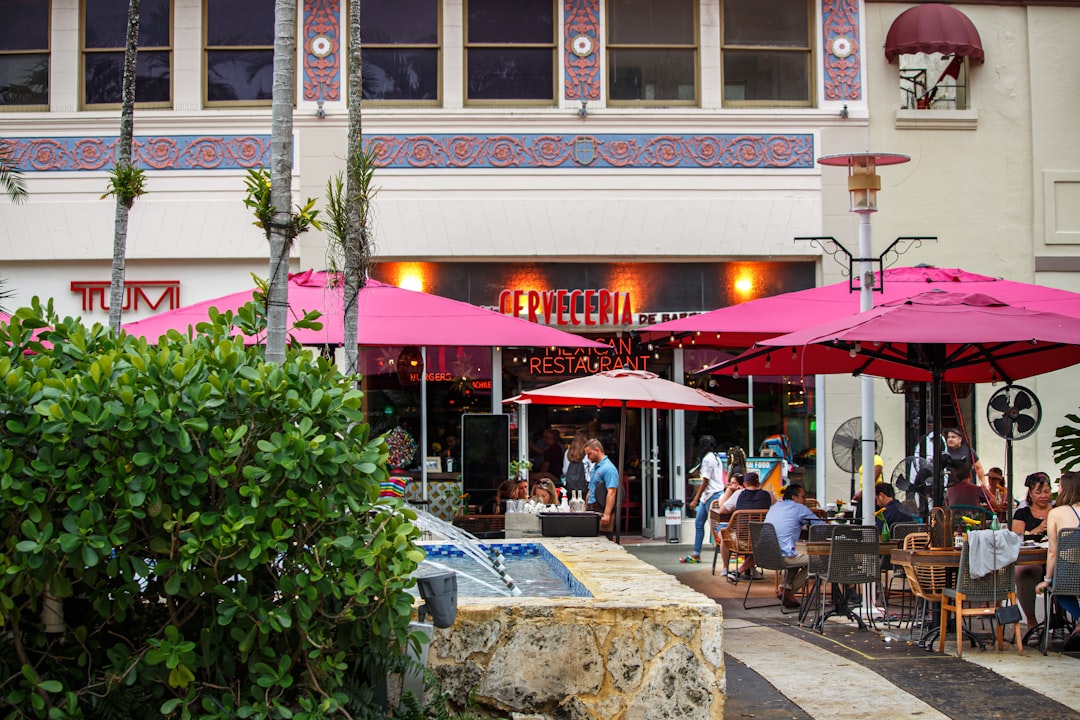
This is where the magic happens. Main Street runs from the marina straight up through the heart of town, lined with local restaurants, craft breweries, and shops you'll actually want to visit. Homes here range from 1920s Craftsman bungalows at $450,000 to fully renovated Victorians pushing $800,000.
The Good: Walk to Fenway South, bike to the beach, stumble home from the Dunedin Brewery. Your morning coffee at Black Crow Coffee is a three-block stroll.
The Reality Check: Parking during baseball season (March-April) is brutal. Tourist foot traffic picks up significantly, and those charming brick streets can flood during heavy rains.
Dunedin Isles
Think of this as Dunedin's answer to waterfront living without the Clearwater Beach price tag. These canal-front homes range from $650,000 for a modest 3/2 to $1.2 million for something with a boat lift and Gulf access.
Every home comes with deeded dock space, and you're literally 10 minutes by boat to the Gulf. The community has its own marina, and the neighbors take their boating seriously.
Heads up: HOA fees run $200-400 monthly, and you'll need flood insurance. Hurricane prep means securing not just your house, but your dock and whatever's floating behind it.
Countryside
Don't let the name fool you — this is Dunedin's most family-focused neighborhood. Homes built mostly in the 1980s and 1990s, ranging from $380,000 for a standard 3/2 to $550,000 for something with a pool and upgraded kitchen.
The Countryside Country Club sits in the middle, though membership isn't mandatory for residents. Kids bike to school, parents walk dogs along wide sidewalks, and the Friday night high school football games are actual community events.
The trade-off: You're driving everywhere. Downtown Dunedin is 15 minutes, the beach is 20, and grocery runs require planning.
Highlander
This is old Dunedin money — or at least old Dunedin by Florida standards. Large lots, mature oak trees, and homes that range from meticulously maintained 1960s ranch styles at $425,000 to custom builds approaching $900,000.
The neighborhood has deed restrictions that keep things uniform without being oppressive. No pink houses, no boats in driveways, but you can still express personality in your landscaping choices.
Many homes here have been in the same families for decades. Expect neighbors who remember when the area was actually rural and who'll share strong opinions about any proposed changes to "their" Dunedin.
What It Really Costs to Live in Dunedin
Housing Reality Check
Median home price in Dunedin sits around $485,000 as of 2024 — about 15% higher than the Pinellas County average. That's not Clearwater Beach money, but it's not Largo either.
For rentals, expect $1,800-2,200 for a decent 2-bedroom apartment, $2,400-2,800 for a 3-bedroom house. The rental market stays tight because people genuinely want to live here, and inventory doesn't turn over quickly.
Property taxes run about $8-12 per $1,000 of assessed value. On that $485,000 home, you're looking at roughly $4,200 annually in property taxes — reasonable by Florida standards.
Daily Living Expenses
Groceries cost about what you'd expect for Pinellas County. Publix anchors most shopping, with Walmart and Target for basics. The downtown Winn-Dixie closed in 2022, which was a blow for walkable grocery shopping.
Dining out ranges from $12-18 for lunch at local spots like Ozona Blue or the Black Pearl to $35-50 per person for dinner at nicer places like Olive Vine or Sea Sea Riders. The craft brewery scene offers solid food at reasonable prices — expect $28-35 for dinner and a couple of beers.
Utilities average $140-180 monthly for a typical home. Duke Energy handles electricity, and summer months will push your bill higher. Water/sewer through the city runs about $45-60 monthly.
Transportation Costs
Most families need two cars in Dunedin. While downtown is walkable, everything else requires driving. Gas prices typically run 5-10 cents above the Florida average.
Car insurance in Pinellas County averages $1,650-2,100 annually for full coverage. Dunedin's relatively low crime rates help keep those numbers reasonable.
Parking downtown costs $1-2 per hour in most areas, free evenings and weekends. During Blue Jays spring training, plan to walk a few extra blocks or pay $10-15 for event parking.
Moving to Tampa Bay? Barrett Henry has been helping families relocate for over 23 years. Straight talk, smart strategy, no pressure.
Contact Barrett → | (813) 733-7907
Schools and Education
Pinellas County Schools Performance
Dunedin falls under Pinellas County Schools, which ranks among Florida's better large districts. The elementary and middle schools serving Dunedin consistently earn B or A grades from the state.
Dunedin Elementary (grades K-5) earned an A grade with strong reading and math scores. Class sizes average 18-22 students, and the PTA stays active. The school sits within walking distance of several downtown neighborhoods.
John Hopkins Middle School serves most Dunedin students for grades 6-8. It's earned consistent B grades, though like most middle schools, it faces the typical challenges of that age group. The building underwent major renovations in 2021.
High School Options
Most Dunedin students attend Indian Rocks Christian School (private) or Dunedin High School. Dunedin High has struggled with ratings in recent years, earning C grades. Many families choose to send kids to Northeast High School in St. Petersburg (rated A) or consider private options.
Private school choices include Dunedin Academy (PreK-8), Indian Rocks Christian School (K-12), and several Catholic schools within 15 minutes. Tuition ranges from $8,000-15,000 annually.
Higher Education Access
St. Petersburg College has a campus in Clearwater, about 20 minutes away. University of South Florida's main campus in Tampa is 45 minutes during off-peak hours.
Dunedin's educated population (42% hold bachelor's degrees or higher) reflects the appeal to professionals who want small-town living with big-city access.
Recreation and Lifestyle
Beach Access
This might be Dunedin's biggest selling point. Honeymoon Island State Park sits right offshore, connected by causeway. $8 per vehicle gets you onto one of Florida's most pristine beaches — white sand, clear water, and enough space that it never feels crowded.
Caladesi Island State Park, accessible only by boat or ferry, regularly ranks among America's best beaches. The ferry runs from Honeymoon Island ($14 round trip) and provides access to completely undeveloped shoreline.
For daily beach visits, many residents prefer Dunedin Causeway. Free parking, fishing pier, and less crowded than the state parks. The water stays shallow for a long distance, making it perfect for families.
The Pinellas Trail
Dunedin sits directly on the Pinellas Trail, a 47-mile rails-to-trails path that runs from Tarpon Springs to St. Petersburg. The trail runs right through downtown Dunedin, making bike commuting actually viable for many residents.
The trail connects to Honeymoon Island via the Dunedin Causeway, creating a car-free route from downtown to the beach. On weekends, you'll see families biking to the beach with wagons full of gear.
Local bike shops like The Bicycle Outfitter stay busy with trail users, tourists, and serious cyclists who appreciate the flat terrain and gulf breezes.
Sports and Recreation
Spring training baseball brings thousands of visitors each March and April. The Toronto Blue Jays play at Dunedin Stadium (officially Florida Auto Exchange Stadium), a small venue that makes every seat feel close to the action.
Season tickets cost $400-800 depending on location, but single-game tickets ($15-35) let you enjoy the atmosphere without major commitment. The stadium also hosts concerts and community events throughout the year.
Dunedin Golf Club offers an 18-hole course that's challenging enough for serious players but not intimidating for weekend hackers. Greens fees run $35-55 depending on season and tee time.
The community center on Douglas Avenue provides fitness facilities, classes, and meeting spaces. Annual membership costs $25 for residents, $50 for non-residents — one of the better deals in Pinellas County.
Weather and Natural Environment
Year-Round Climate
Dunedin's weather mirrors the rest of Tampa Bay with a subtropical twist. Summers get hot and humid (highs in the low 90s) with afternoon thunderstorms that provide temporary relief.
Winter months offer the payoff — daytime highs in the 70s, overnight lows in the 50s, and humidity levels that make outdoor activities comfortable. December through March represents perfect weather for most people.
Hurricane season requires attention, but Dunedin's location on the Gulf provides some protection from storms approaching from the east. The city sits at about 10 feet above sea level, with some variation depending on your specific location.
Environmental Considerations
The area's natural beauty comes with environmental realities. Red tide blooms occasionally affect Gulf beaches, making swimming unpleasant and potentially causing respiratory irritation for sensitive individuals.
Love bugs (twice yearly), mosquitoes (summer), and no-see-ums (year-round) are part of life near the water. A good screen room or lanai becomes essential for comfortable outdoor living.
Sinkholes occur occasionally in Pinellas County, though they're less common than in eastern parts of Tampa Bay. Homeowner's insurance typically doesn't cover sinkhole damage unless you purchase specific coverage.
Business and Employment Landscape
Local Economy
Dunedin's economy leans heavily on tourism, hospitality, and service industries. The downtown area supports numerous restaurants, retail shops, and service businesses that cater to both residents and visitors.
BayCare Health System operates several facilities in the area, providing healthcare jobs at various skill levels. The Toronto Blue Jays organization employs seasonal and year-round staff for stadium operations, player development, and community programs.
Many residents commute to larger employment centers in Tampa (45 minutes) or St. Petersburg (30 minutes). The relatively affordable housing compared to those markets makes the commute worthwhile for many professionals.
Starting a Business
Downtown Dunedin welcomes small businesses, particularly those that enhance the community's character. The city's economic development department actively works with entrepreneurs looking to open restaurants, retail shops, or service businesses.
Rent for downtown commercial space ranges from $18-28 per square foot annually. Prime Main Street locations command higher prices, while side streets offer more affordable options for businesses that don't depend on foot traffic.
The local customer base appreciates businesses that engage with the community. Successful Dunedin businesses sponsor Little League teams, participate in festivals, and become genuine parts of the neighborhood fabric.
Transportation and Commuting
Getting Around Town
Downtown Dunedin is genuinely walkable. You can live within a few blocks of Main Street and walk to restaurants, the post office, banks, and several shops. The Pinellas Trail makes biking a real transportation option, not just recreation.
For everything else, you'll drive. The city layout is simple — Main Street runs north-south through downtown, Alt 19 handles most north-south traffic, and State Road 580 (Countryside Boulevard) connects to the eastern suburbs.
Parking downtown is mostly free, with time limits during business hours. The city added parking meters to Main Street in 2019, which created some grumbling but improved turnover for businesses.
Commuting Options
Most working residents commute by car. US 19 provides the main north-south route through Pinellas County, though traffic gets heavy during rush hours. State Road 580 connects to I-275 for Tampa commutes.
PSTA (Pinellas Suncoast Transit Authority) operates limited bus service through Dunedin. Route 19 runs along US Alt 19, connecting to other parts of Pinellas County. Service is infrequent — typically every 60-90 minutes — making it impractical for most commutes.
The Suncoast Parkway (toll road) provides faster access to northern Pinellas County and Pasco County, though it requires driving east to connect with the highway.
Community and Culture
The Scottish Connection
Dunedin embraces its Scottish heritage without going overboard. The annual Highland Games (early April) bring bagpipers, Celtic music, and traditional games to Highlander Park. It's genuinely fun without feeling like a tourist trap.
Main Street features subtle Scottish touches — street signs, architectural details, and business names that nod to the heritage. The community takes pride in this identity without making it feel forced or artificial.
Arts and Entertainment
The Dunedin Fine Art Center hosts rotating exhibitions, art classes, and community events. Local artists display work in several downtown galleries, creating a modest but legitimate arts scene.
Live music happens regularly at several venues. The Dunedin Brewery features local bands on weekends, while restaurants like Ozona Blue occasionally host acoustic performances.
The annual Dunedin Blues Festival (March) brings regional and national blues acts to Edgewater Park. It's well-organized, reasonably priced, and attracts music lovers from throughout Tampa Bay.
Festivals and Events
Beyond the Highland Games and Blues Festival, Dunedin hosts several smaller community events. The monthly Art Harvest combines art shows with live music in downtown. The annual Orange Festival celebrates the area's citrus history, though most of the groves have long since disappeared.
Spring training season transforms the community's energy level. Restaurants get busier, downtown foot traffic increases, and the general buzz of baseball fans creates a festive atmosphere from February through April.
Christmas in Dunedin features downtown decorations, a tree lighting ceremony, and holiday shopping events. The scale fits the community — family-friendly without being elaborate.
Healthcare and Services
Medical Facilities
BayCare operates Dunedin Hospital, a small facility that handles basic emergency care and outpatient services. For serious medical issues, most residents head to Morton Plant Hospital in Clearwater (15 minutes) or Tampa General Hospital (45 minutes).
The area has good primary care options, including several family practice doctors, pediatricians, and specialists. Many physicians have been in the community for years, creating continuity of care that you don't always find in rapidly growing areas.
Dental care, eye care, and other routine services are readily available in Dunedin or nearby Clearwater.
City Services
Dunedin provides solid municipal services for a city its size. Garbage and recycling pickup happens weekly, with yard waste collection on a separate schedule. The city recently switched to automated collection, which some residents still grumble about but which provides more consistent service.
The police department maintains a community-oriented approach. You'll see officers at community events, school functions, and local businesses. Crime rates stay low, and response times are reasonable for non-emergency calls.
Fire and EMS services operate through Pinellas County. The nearest station sits on Main Street, providing quick response times throughout the city.
Pros and Cons of Living in Dunedin
What Works Really Well
Walkable downtown with character: Unlike many Florida communities that feel generic, Dunedin's downtown has personality. You can walk to dinner, grab coffee, and run errands without getting in your car.
Beach access: Living 10 minutes from some of Florida's best beaches provides daily recreation options. The state parks offer pristine conditions, while the causeway provides easy access for regular visits.
Community feel: People know their neighbors, support local businesses, and participate in community events. It's small-town living without feeling isolated from urban amenities.
Reasonable home values: While not cheap, Dunedin provides better value than many coastal communities. You get a walkable downtown, beach access, and community character without Clearwater Beach or St. Pete Beach prices.
The Challenges
Limited dining and shopping: While downtown offers several good restaurants, your options remain limited. Serious shopping requires trips to Clearwater or Tampa.
Tourist seasons: Spring training and summer beach crowds change the community's character for several months. Parking becomes challenging, restaurants get busier, and traffic increases.
Hurricane risk: Living near the Gulf provides beauty and recreation, but also weather-related risks. Hurricane preparation and potential evacuation are realities of coastal living.
Commuting requirements: Unless you work locally, you'll spend time in your car getting to employment centers. The trade-off of affordable housing for commute time works for some families but not others.
Making the Decision: Is Dunedin Right for You?
After helping dozens of families evaluate Dunedin over the years, I've noticed patterns in who thrives here and who struggles.
You'll probably love Dunedin if:
- You value community connection over urban amenities
- Beach access matters more than nightlife options
- You appreciate walkable neighborhoods
- You want small-town feel with big-city access
- You're willing to drive 20-30 minutes for extensive shopping/dining
You might want to keep looking if:
- You need extensive public transportation
- You prefer urban energy and constant activity
- You're not comfortable with seasonal tourism impacts
- You want extensive local job opportunities
- You need immediate access to major shopping centers
The families who succeed in Dunedin typically embrace the community aspect. They shop at local businesses when possible, participate in community events, and view the smaller scale as a feature rather than a limitation.
Moving to Tampa Bay? Barrett Henry has been helping families relocate for over 23 years. Straight talk, smart strategy, no pressure.
Contact Barrett → | (813) 733-7907
Frequently Asked Questions
Is Dunedin expensive compared to other Tampa Bay areas?
Dunedin sits in the middle range for Tampa Bay housing costs. You'll pay more than Largo or Seminole but less than Clearwater Beach or downtown St. Petersburg. Median home prices around $485,000 reflect the community's desirability while remaining more affordable than premier beach communities.
How bad is the traffic during spring training season?
March and April bring noticeable traffic increases, especially on game days. Downtown parking becomes challenging, and restaurant wait times increase significantly. Most residents learn to avoid Main Street during peak hours and plan dinner reservations well in advance during baseball season.
Can you really walk to the beach from downtown Dunedin?
You can't walk directly to beach sand, but you can bike to Honeymoon Island via the Dunedin Causeway in about 15 minutes. The Pinellas Trail connects downtown to the causeway, creating a car-free route to one of Florida's best beaches. Many residents consider this better than living directly on overcrowded beach areas.
What's the job market like in Dunedin itself?
Local employment centers on tourism, hospitality, healthcare, and small businesses. BayCare Health System and the Blue Jays organization provide some year-round professional positions. Most residents with higher-paying careers commute to Tampa, St. Petersburg, or Clearwater for employment opportunities.
How do hurricanes affect Dunedin?
Dunedin faces typical Gulf Coast hurricane risks but benefits from some geographic protection. The city sits about 10 feet above sea level, reducing storm surge concerns compared to barrier island communities. Residents should plan for potential evacuation and power outages during major storms, but the area has weathered recent hurricanes relatively well.
Is Dunedin good for families with kids?
Dunedin works well for families who value community involvement and outdoor activities. Elementary and middle schools earn good ratings, though high school options require more research. The safe, walkable downtown and abundant recreational opportunities appeal to families, but you'll need to drive kids to most activities outside the immediate area.
What's the real story with Dunedin's schools?
Dunedin Elementary consistently earns A grades with strong academic performance. John Hopkins Middle School maintains B-level ratings with solid programs. Dunedin High School has struggled with C ratings, leading many families to consider Northeast High in St. Petersburg or private school options.
How walkable is Dunedin really?
Downtown Dunedin offers genuine walkability within about a 6-block area. You can walk to restaurants, coffee shops, banks, the post office, and some retail. The Pinellas Trail extends walkable/bikeable access to beaches and neighboring communities. Outside downtown, you'll need a car for most errands and activities.
What are the best neighborhoods in Dunedin for first-time buyers?
Countryside offers the most family-friendly environment with homes starting around $380,000. The Highland area provides more established neighborhoods with mature trees and larger lots from $425,000. Downtown historic district offers walkability but requires higher budgets and tolerance for tourist activity.
How does living in Dunedin compare to other Pinellas County cities?
Dunedin offers more community character than most Pinellas cities while maintaining reasonable home prices. You get better walkability than Largo or Seminole, more affordability than Clearwater Beach or Safety Harbor, and better beach access than inland communities. The trade-off is fewer urban amenities and more tourist impact than purely residential areas.
Moving to Tampa Bay? Get a Local Expert.
Barrett Henry is a Broker Associate with REMAX Collective and over 23 years of real estate experience. Straight talk, smart strategy, no pressure.
Need Help Setting Up Your New Home?
Best Bay Services handles handyman work, home repairs, and maintenance for your new Tampa Bay home. Local, licensed, and trusted.
Questions & Answers
Have a question about this topic? Ask below and the community will help.
Sign in to ask or answer questions