Published February 18, 2025
Let me be straight with you about Grand Central District: this isn't the St. Pete your grandparents remember. What used to be a forgotten stretch of Central Avenue has turned into one of the most exciting neighborhoods in Pinellas County, and frankly, it happened faster than most locals expected.
I've been showing homes here since the early days when clients would ask "Are you sure this area is safe?" Now those same streets are packed with craft breweries, art galleries, and $400,000 condos. The transformation has been remarkable — and telling.
What Grand Central District Actually Is
Grand Central District sits smack in the middle of St. Petersburg, roughly bounded by 4th Street North to the north, 22nd Street South to the south, 34th Street to the east, and about 16th Street to the west. The heart of it runs along Central Avenue — hence the name.
This is urban living, St. Pete style. You're not getting suburban sprawl with two-car garages and manicured lawns. Instead, you're looking at historic buildings converted to lofts, new mid-rise condos, walkable blocks, and a genuine neighborhood feel that's increasingly rare in Florida.
The area encompasses several micro-neighborhoods: the Warehouse Arts District (the grittier, more industrial section), theCore (the commercial heart around Central and Dr. MLK Jr. Street), and the edges that blend into Historic Kenwood and other established neighborhoods.
Distance-wise, you're about 2 miles from downtown St. Pete, 1.5 miles from the Salvador Dalí Museum, and roughly 25 minutes to Tampa International Airport on a normal day.
The Housing Reality
Here's what you need to know about buying or renting in Grand Central District — the numbers don't lie, and they're not always pretty.
Buying in Grand Central District
Home prices have exploded here, but you're buying into a neighborhood with proven momentum. As of 2024, here's what you're looking at:
Condos and Lofts: $275,000 to $650,000 depending on size, building quality, and specific location. The converted warehouse lofts with exposed brick and 14-foot ceilings command premium prices — expect $350,000+ for anything decent-sized.
Townhomes: The few that exist typically run $400,000 to $600,000. These are rare and sell quickly.
Single-Family Homes: Limited inventory, mostly older Florida homes that someone has either updated beautifully or... hasn't. Updated homes start around $350,000 and climb to $600,000+ for the really nice ones.
Property taxes run about 1.1% of assessed value in Pinellas County, so factor that into your monthly costs.
Rental Market
Renting gives you flexibility to test the neighborhood before committing to buy — smart move in an area still evolving.
- Studio apartments: $1,200 to $1,600/month
- One-bedroom: $1,500 to $2,200/month
- Two-bedroom: $2,000 to $3,200/month
- Loft spaces: $2,200 to $4,000+/month
The higher-end rentals often include parking (crucial) and access to building amenities like rooftop decks or fitness centers.
Schools: The Honest Assessment
Let's talk schools, because if you have kids, this matters more than the hipster coffee shops.
Grand Central District falls within the Pinellas County School District, which is solid overall but inconsistent at the individual school level.
Elementary Schools
Lakewood Elementary (Rating: 6/10) serves much of the area. It's improving but not spectacular. The school has decent test scores and a committed teaching staff, but class sizes can be large.
Azalea Elementary (Rating: 7/10) is another option, slightly better performance overall.
Middle and High Schools
John Hopkins Middle School (Rating: 5/10) — this is where things get challenging. The school struggles with overcrowding and inconsistent academic performance.
Northeast High School (Rating: 6/10) — better than it was five years ago, but still not where most professional families want their kids.
The Private School Reality
Many Grand Central District families go private, particularly:
- Shorecrest Preparatory School (about 15 minutes away) — excellent academics, tuition around $28,000/year
- Canterbury School (20 minutes) — solid academics and athletics, about $25,000/year
- Admiral Farragut Academy (25 minutes) — military-style education, around $22,000/year
Magnet and Charter Options
Pinellas County offers several magnet programs and charter schools. The application process is competitive, but it's worth exploring if public education is important to your family.
Getting Around (Transportation Reality)
Grand Central District is one of the few Tampa Bay neighborhoods where you can actually walk or bike for daily needs — but let's be realistic about transportation.
Walking and Biking
The neighborhood scores high on walkability. You can walk to:
- Grocery stores (Publix on 4th Street)
- Restaurants and bars
- Coffee shops
- The Saturday Morning Market
- Some professional services
Biking is decent with bike lanes on major streets, though Florida drivers and cyclists still have an uneasy relationship.
Public Transportation
The PSTA (Pinellas Suncoast Transit Authority) runs several bus routes through the area. Route 4 along 4th Street is reliable, and the Central Avenue BRT (Bus Rapid Transit) provides good connectivity.
But let's be honest — you're still going to want a car. Getting to Tampa, the beaches, or anywhere outside the immediate St. Pete core is much easier with your own wheels.
Parking Reality
This is crucial: parking can be a nightmare. Many of the converted buildings have limited parking, and street parking fills up quickly, especially on weekends. When house hunting or apartment shopping, parking needs to be a top priority.
The Food and Entertainment Scene
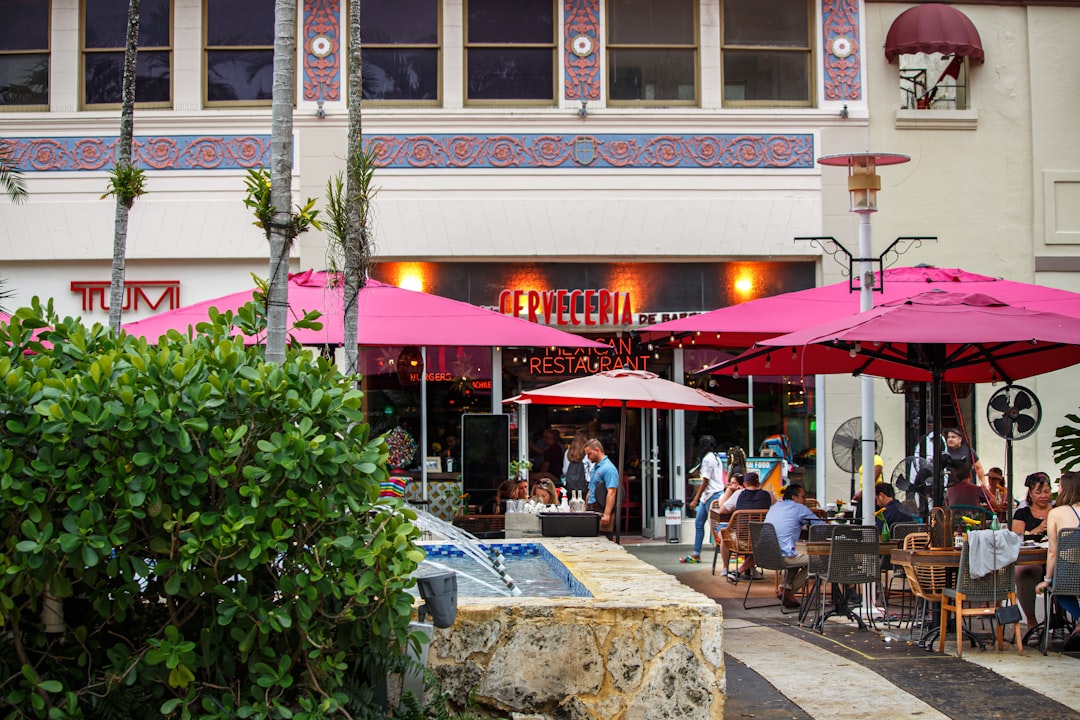
This is where Grand Central District really shines. The restaurant and bar scene has evolved dramatically, and it's legitimately good — not just "good for St. Pete" good.
Standout Restaurants
The Mill — Farm-to-table dining that actually lives up to the hype. Dinner for two runs $80-120 with wine.
Bodega on Central — Cuban-inspired small plates and excellent cocktails. More casual, around $50-70 for two.
Hawkers Asian Street Food — Authentic Asian street food in a hip setting. Budget-friendly at $30-40 for two.
Noble Crust — Neapolitan-style pizza that's genuinely excellent. $40-60 for two with drinks.
Coffee Culture
Bandit Coffee and Black Crow Coffee have established the neighborhood as a legitimate coffee destination. Both roast their own beans and attract laptop workers and actual coffee enthusiasts.
Nightlife
The bar scene ranges from craft cocktail lounges to dive bars that have survived the gentrification wave. The Independent books solid live music acts, while Green Bench Brewing represents the local craft beer movement well.
Saturday Morning Market
Every Saturday, Central Avenue transforms into a farmers market and community gathering space. It's genuine neighborhood culture, not tourist theater. Fresh produce, local vendors, and a good way to meet neighbors.
Shopping and Daily Needs
Grand Central District covers the basics without forcing you to drive to a suburban mall for everything.
Grocery Options
Publix on 4th Street handles most grocery needs. It's not the fanciest Publix in the chain, but it's clean, well-stocked, and walkable from most of the neighborhood.
Fresh Market offers more upscale grocery options, including organic produce and specialty items.
Other Retail
The neighborhood has organic growth of small businesses — yoga studios, bike shops, vintage stores, art galleries. It's not comprehensive retail, but it covers daily needs and supports the walkable lifestyle.
For major shopping, Westshore Plaza in Tampa is about 20 minutes away, and Tyrone Square Mall is 15 minutes south.
Cost of Living Breakdown
Living in Grand Central District isn't cheap, but it's not Manhattan either. Here's what your monthly budget realistically looks like:
Housing (Biggest Factor)
- Rent: $1,500-3,200/month
- Mortgage: Varies widely based on purchase price and down payment
Utilities
- Electric: $120-180/month (Florida summers are brutal)
- Water/Sewer: $40-60/month
- Internet: $60-90/month
- Trash: Usually included in rent or HOA
Transportation
- Car insurance: $140-200/month (Florida rates are high)
- Gas: $120-160/month
- Parking: $50-150/month if not included with housing
Food and Entertainment
- Groceries: $400-600/month for two people
- Dining out: $300-800/month (easy to spend more with the restaurant scene)
Total Monthly Living Costs
For a couple without kids: $3,500-6,000/month For a family with children: $4,500-8,000/month (factoring in private school costs)
Who Actually Lives Here
The demographic mix in Grand Central District tells the story of rapid neighborhood change.
Young Professionals
This is the core demographic — people in their late 20s to early 40s working in downtown St. Pete, Tampa, or remotely. They value walkability, dining options, and cultural amenities over suburban space.
Empty Nesters
Couples whose kids have moved out and who want urban convenience without Miami prices. They're typically downsizing from larger homes in Pinellas County suburbs.
Artists and Creative Types
The Warehouse Arts District still attracts artists, though rising rents have pushed out some of the community that helped establish the neighborhood's character.
Transplants from Expensive Cities
People moving from New York, Chicago, or California who see Grand Central District as affordable urban living — though locals might disagree with the "affordable" part.
The Weather Factor
Grand Central District weather is standard Florida Gulf Coast — hot, humid summers and pleasant winters. But urban density affects how you experience it.
Summer Reality (June-September)
Temperatures hit 90°F+ regularly, with humidity that makes it feel like 100°F+. The concrete and asphalt increase the heat island effect, so it feels hotter than suburban areas.
Air conditioning costs spike during summer months. Budget $150-200/month for electric during peak season.
Winter Appeal (December-February)
This is when Grand Central District really shines. Temperatures in the 60s-70s, low humidity, and perfect weather for walking around the neighborhood. Outdoor dining becomes pleasant again.
Hurricane Considerations
St. Petersburg sits on the Gulf Coast, so hurricanes are a legitimate concern. The neighborhood is inland enough to avoid storm surge issues, but wind damage and power outages affect everyone.
Most buildings built in recent decades follow modern building codes and handle storms well. Older converted buildings vary in their storm preparedness.
Healthcare and Services
Healthcare access is solid, though you're not getting the suburban convenience of everything in one medical complex.
Nearby Hospitals
Bayfront Health St. Petersburg is about 10 minutes away and handles most medical needs competently.
Tampa General Hospital (25 minutes) is the regional trauma center and offers specialized care.
Johns Hopkins All Children's Hospital (15 minutes) is excellent for pediatric care.
Primary Care and Specialists
The neighborhood has several family practice offices and some specialists. For comprehensive care, you'll likely need to drive to medical complexes in other parts of St. Pete or Tampa.
Pharmacies
CVS and Walgreens locations are convenient, plus the Publix pharmacy for basic prescription needs.
The Real Estate Investment Angle
If you're considering Grand Central District as an investment, here's the unvarnished truth from someone who's watched this market for two decades.
Appreciation Potential
The neighborhood has seen 40-60% price appreciation since 2019, which is unsustainable long-term but reflects genuine demand and limited supply.
Future appreciation depends on continued development of downtown St. Pete, job growth, and maintaining the neighborhood's cultural appeal without over-gentrifying.
Rental Investment Considerations
Short-term rentals (Airbnb) are popular but face increasing regulation. Long-term rentals can work, but property management is crucial given the urban setting and diverse tenant pool.
Vacancy rates are currently low (under 5%), but economic downturns would likely hit this market harder than suburban family neighborhoods.
Development Pressure
New construction continues, which adds supply but also changes neighborhood character. Some longtime residents worry about losing the authentic urban village feel to generic development.
Moving to Tampa Bay? Barrett Henry has been helping families relocate for over 23 years. Straight talk, smart strategy, no pressure.
Contact Barrett → | (813) 733-7907
Safety and Crime Reality
Let's address safety honestly, because this affects daily life and peace of mind.
Current Crime Statistics
Grand Central District is significantly safer than it was a decade ago, but it's still an urban neighborhood with urban challenges.
Property crime (car break-ins, bike theft) happens more frequently than violent crime. Petty theft targets of opportunity are the biggest daily concern.
Neighborhood Safety Measures
The area has decent street lighting and regular police patrols. Many newer developments have security systems and controlled access.
The Saturday Morning Market and evening restaurant crowds create natural surveillance — more people around generally means safer streets.
Practical Safety Tips
- Don't leave anything visible in your car
- Secure bicycles with quality locks
- Be aware of your surroundings when walking alone at night
- Choose housing with adequate lighting and secure entry
Community and Culture
The community aspect of Grand Central District is what sets it apart from typical Florida suburban developments.
Neighborhood Organizations
The Grand Central District Association organizes events and advocates for neighborhood interests. They're active and effective.
Warehouse Arts District maintains the creative community focus despite rising rents and development pressure.
Events and Festivals
Monthly Third Friday events activate Central Avenue with art walks, live music, and street vendors.
The Saturday Morning Market functions as the neighborhood's weekly social gathering.
Various pop-up events and block parties happen regularly, though gentrification has changed the character of some traditional events.
Social Dynamics
The neighborhood attracts people who value community engagement over suburban privacy. Expect to know your neighbors and participate in neighborhood discussions about development, parking, and local issues.
Pros and Cons Summary
After 23 years in Tampa Bay real estate, here's my honest assessment:
The Good
- Genuine walkability rare in Florida
- Excellent restaurant and entertainment scene
- Strong sense of community
- Convenient to downtown St. Pete and Tampa
- Cultural amenities and events
- Property values have shown strong growth
- Urban lifestyle without big-city prices
The Challenges
- Limited parking
- School quality concerns for families
- Higher cost of living than suburban alternatives
- Summer heat intensified by urban density
- Ongoing development changing neighborhood character
- Limited single-family housing options
- Hurricane risk (though minimal storm surge threat)
The Bottom Line
Grand Central District works best for people who value urban amenities over suburban space and convenience. It's genuinely walkable, culturally vibrant, and increasingly sophisticated.
Families with school-age children face tough choices about education. Young professionals and empty nesters tend to thrive here.
The neighborhood is still evolving rapidly. What you see today may look different in five years as development continues and demographics shift.
Frequently Asked Questions
Is Grand Central District safe for families with children?
The neighborhood is generally safe with normal urban precautions, but families should visit at different times of day to assess their comfort level. Property crime is the main concern rather than violent crime, and the active street life during evening hours provides natural security.
How much should I budget for parking if it's not included with my housing?
Monthly parking ranges from $50-150 depending on location and whether it's covered. Street parking is free but competitive, especially evenings and weekends. Factor parking costs into your housing budget from the start.
Are the schools really that concerning for families?
The traditional public schools serve the area adequately but don't excel. Many professional families choose private schools, magnet programs, or move to suburbs with better school ratings. Budget $20,000-30,000 annually per child if going private.
How walkable is Grand Central District compared to other Tampa Bay neighborhoods?
It's genuinely walkable for daily needs — groceries, restaurants, coffee, some services — which is rare in Florida. You can realistically go several days without driving, though a car remains necessary for broader Tampa Bay access.
What's the real story on gentrification and displacement?
The neighborhood has changed dramatically, with rising rents pushing out some longtime residents and businesses. The character is evolving from gritty artist district to polished urban neighborhood, which brings both benefits and losses.
How does hurricane risk affect living in Grand Central District?
The area faces hurricane wind risk but minimal storm surge threat due to inland location. Most newer construction follows modern building codes. Power outages are the main concern during storms rather than structural damage.
Is buying in Grand Central District a good investment right now?
Property values have risen significantly, making current prices challenging to justify on fundamentals alone. Future appreciation depends on continued job growth and development momentum. It's more lifestyle purchase than pure investment play.
What's the commute like to downtown Tampa for work?
About 25-30 minutes on normal days via I-275, but Tampa traffic is increasingly unpredictable. Budget 45 minutes during rush hour. Some residents take the bus or work remotely to avoid daily commuting stress.
How does the cost of living compare to other St. Pete neighborhoods?
Grand Central District is among the more expensive St. Pete neighborhoods, comparable to downtown and the waterfront areas. You'll pay 20-40% more than suburban Pinellas County neighborhoods for the urban lifestyle benefits.
What happens if the restaurant and nightlife scene changes?
The dining and entertainment options are currently a major draw, but neighborhoods evolve. The walkable infrastructure and central location provide lasting value even if specific businesses change over time.
Moving to Tampa Bay? Get a Local Expert.
Barrett Henry is a Broker Associate with REMAX Collective and over 23 years of real estate experience. Straight talk, smart strategy, no pressure.
Need Help Setting Up Your New Home?
Best Bay Services handles handyman work, home repairs, and maintenance for your new Tampa Bay home. Local, licensed, and trusted.
Questions & Answers
Have a question about this topic? Ask below and the community will help.
Sign in to ask or answer questions