Published January 7, 2025
Hyde Park isn't just Tampa's most famous neighborhood — it's the gold standard that every other upscale area gets compared to. After 23+ years of selling homes here, I've watched families fall in love with tree-lined streets, then get sticker shock at the grocery bills. Let's talk about what living in Hyde Park actually means in 2024.
The Real Hyde Park Story
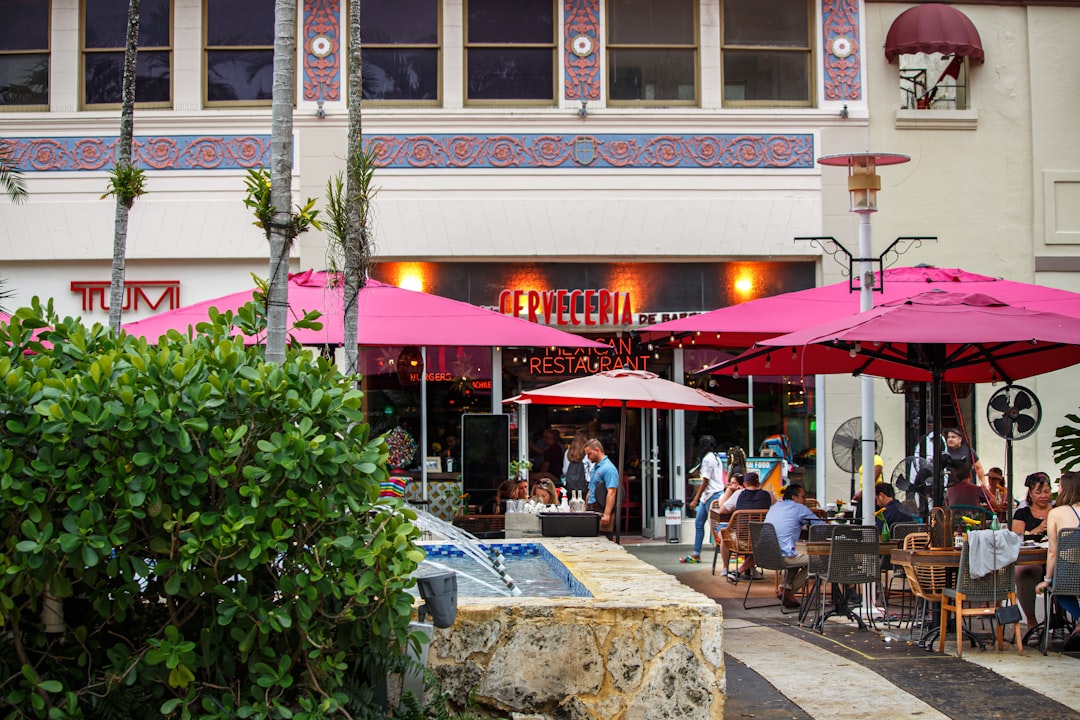
Hyde Park sits on a peninsula jutting into Hillsborough Bay, about 2 miles southwest of downtown Tampa. It's bounded by Kennedy Boulevard to the north, Bayshore Boulevard to the east and south, and the Westshore district to the west. The neighborhood has two distinct personalities: Historic Hyde Park (think 1920s bungalows and tree canopies) and SoHo (South of Howard Avenue), which skews younger and more commercial.
This is Tampa's answer to Charleston or Savannah — Spanish moss draping over brick streets, historic homes with wraparound porches, and enough walkability that you might actually use your feet for transportation. The median home price hit $875,000 in late 2024, making it one of Florida's priciest zip codes outside of Miami-Dade.
But here's what the tourism brochures won't tell you: Living here means navigating some serious trade-offs. Yes, you can walk to world-class restaurants. You'll also spend 20 minutes circling for parking on weekend nights.
Housing Reality Check
What $500,000 Gets You
In Hyde Park's current market, half a million dollars might snag you a 1,200-square-foot bungalow built in the 1920s. Expect original hardwood floors (charming but squeaky), galley kitchens that haven't been updated since Clinton was president, and maybe one parking space if you're lucky.
These starter homes often need $50,000-100,000 in immediate renovations. New roof, updated electrical, modern HVAC — the charm comes with a price tag.
The $800,000-$1.2 Million Sweet Spot
This is where Hyde Park starts making sense. Renovated 2,500-3,000 square foot homes with modern kitchens, owners suites that actually fit king beds, and driveways that accommodate two cars. Many have been gut-renovated while preserving architectural details like crown molding and original fireplaces.
I sold a 1925 Mediterranean revival on Bayshore Boulevard last year for $1.1 million — 3 bedrooms, 2.5 baths, chef's kitchen, pool, and 80 feet of bay frontage. The buyers got a house worthy of Architectural Digest and a mortgage payment that made their accountant wince.
Luxury Market ($1.5 Million+)
Hyde Park's top tier includes waterfront estates on Bayshore Boulevard and completely rebuilt modern homes disguised as historic architecture. These properties often feature wine cellars, infinity pools, and guest houses that cost more than most people's primary residences.
Condo Living
Hyde Park offers limited condo options compared to downtown Tampa. The Towers of Bayshore, built in the 1980s, provides high-rise living with bay views starting around $400,000 for 2 bedrooms. Newer townhome developments near SoHo start around $650,000.
Most buyers choose Hyde Park for the single-family home experience. If you want condo living, downtown Tampa or Westshore might be better fits.
Moving to Tampa Bay? Barrett Henry has been helping families relocate for over 23 years. Straight talk, smart strategy, no pressure.
Contact Barrett → | (813) 733-7907
Transportation and Getting Around
Walking Score: Actually Decent
Hyde Park earns a Walk Score of 71 — "Very Walkable" in urban planning speak. That means you can accomplish daily errands on foot, which is rare in car-dependent Florida.
SoHo (South Howard Avenue) serves as the neighborhood's main strip. You can walk to Datz Deli, grab coffee at Buddy Brew, hit Publix for groceries, and catch dinner at Bern's Steak House without moving your car. Try doing that in Carrollwood or Brandon.
The Parking Reality
Street parking in Hyde Park ranges from "challenging" to "forget about it." Most historic homes have single-car garages or driveways. When you throw a dinner party, your guests will park 3 blocks away and hike back.
Weekend nights in SoHo? Good luck. The restaurant and bar scene draws crowds from across Tampa Bay. I tell clients to budget for valet parking or ride-sharing if they plan to enjoy the nightlife regularly.
Commuting From Hyde Park
To Downtown Tampa: 8-12 minutes by car, depending on traffic. The Tampa Streetcar connects Hyde Park to downtown and Ybor City, though it's more tourist attraction than serious transportation.
To Westshore/Airport: 15-20 minutes via Kennedy Boulevard or Bayshore Boulevard.
To St. Petersburg: 25-35 minutes via Howard Frankland Bridge. Morning and evening rush hours can double this time.
To Brandon/Valrico: 30-45 minutes depending on I-4 traffic, which is consistently awful.
Hyde Park works best for people who work downtown, in Westshore, or run their own businesses. Long commutes to the suburbs make the premium location less worthwhile.
Schools: The Complicated Truth
Public Schools
Hyde Park feeds into Hillsborough County public schools, which presents a mixed bag for families paying premium real estate prices.
Gorrie Elementary School (K-5): GreatSchools rating of 7/10. Solid academics with an arts focus. The catch? It's a magnet school, so enrollment isn't guaranteed even if you live in Hyde Park.
Wilson Middle School (6-8): GreatSchools rating of 6/10. Decent but not exceptional. Many Hyde Park families look at private options by middle school.
Plant High School (9-12): GreatSchools rating of 8/10. This is the crown jewel — one of Tampa's best public high schools with strong academics, excellent athletics, and a beautiful campus. Plant High alone influences home values throughout South Tampa.
Private School Options
Hyde Park families often choose private education, with several excellent options within 10 minutes:
Academy of the Holy Names (all-girls, K-12): Prestigious Catholic school with rigorous academics and strong college placement. Tuition runs about $25,000 annually.
Berkeley Preparatory School (coed, pre-K-12): Elite private school with 98% college acceptance rate. Expect $30,000+ per year and a competitive admission process.
Tampa Preparatory School (coed, 6-12): Strong academics with smaller class sizes. About $28,000 annually.
The irony isn't lost on me — families pay Hyde Park prices partly for Plant High School, then often choose private schools anyway.
Dining and Entertainment Scene
Restaurant Capital of Tampa
Hyde Park, particularly the SoHo district, offers Tampa Bay's best restaurant concentration. This isn't suburban chain territory — we're talking James Beard Award nominations and national recognition.
Bern's Steak House remains the crown jewel. Yes, it's expensive ($100+ per person), but the wine collection and dessert room justify special occasion visits. Reservations book weeks ahead.
Elevage brings New American cuisine to South Howard. Chef Ferrell Alvarez creates dishes that wouldn't be out of place in Charleston or Nashville. Expect $40-60 entrées.
Datz offers elevated comfort food in a more casual setting. Their weekend brunch draws lines, but the duck and waffles are worth the wait.
Haven delivers farm-to-table dining with a constantly changing menu. Great for date nights if you can snag outdoor seating.
Nightlife and Bars
SoHo transforms after dark. The Independent anchors the bar scene with craft cocktails and no sports TV (a statement in Tampa). Ciro's Speakeasy & Supper Club brings 1920s glamour with live jazz and creative cocktails.
Macdill Avenue offers more casual options: Dubliner Pub for soccer matches, The Hub for craft beer, and Green Iguana for cheap drinks and loud crowds.
Fair warning: Weekend nights in SoHo can feel like spring break for adults. If you're seeking quiet suburban evenings, this isn't your neighborhood.
Recreation and Outdoor Life
Bayshore Boulevard Linear Park
Hyde Park's crown jewel is the 4.5-mile Bayshore Boulevard sidewalk — one of the world's longest continuous sidewalks. Joggers, cyclists, and dog walkers use it daily. The Spanish moss-draped oak trees and bay views make every workout scenic.
Early mornings offer the best experience. By 7 AM, you'll share the path with serious runners training for Gasparilla races and retirees power-walking their golden retrievers.
Hyde Park Village
This open-air shopping center anchors the neighborhood's retail scene. Think upscale chains (Anthropologie, lululemon) mixed with local boutiques. The restaurants skew casual — Perfect Pour for coffee, Wine Exchange for happy hour, and Shake Shack for when you're feeling nostalgic.
It's pleasant but not groundbreaking. Don't expect Short Hills Mall or anything approaching downtown shopping districts in major cities.
Plant Park
The University of Tampa's campus includes Plant Park, featuring the iconic Plant Hall (former Tampa Bay Hotel). It's technically private but open for walking. The architecture and bay views make it popular for wedding photos and Instagram shots.
Davis Islands
Technically separate from Hyde Park but practically next door via Plant Avenue. Davis Islands offers yacht clubs, tennis facilities, and Peter O. Knight Airport for small aircraft. Many Hyde Park residents use Davis Islands for recreation and dining.
Cost of Living Reality
Housing Costs Dominate
With median home prices around $875,000, housing consumes 35-45% of household income for most Hyde Park residents. Property taxes on an $800,000 home run about $16,000 annually in Hillsborough County.
Homeowners insurance has skyrocketed since Hurricane Ian. Expect $4,000-8,000 annually for comprehensive coverage, depending on your home's age and flood zone status.
Utilities and Services
Electricity bills run $150-300 monthly, with summer months hitting the high end thanks to vintage homes and single-pane windows. Water/sewer averages $60-100 monthly.
Internet and cable through Spectrum or Frontier typically costs $80-150 monthly. Many residents splurge on higher speeds for remote work.
Daily Expenses
Groceries cost 10-15% more than suburban Tampa. The Hyde Park Publix caters to affluent shoppers with extensive organic and premium selections. A typical family of four spends $200-300 weekly on groceries.
Gas stations are limited and pricey. The Shell station on Bayshore consistently charges 10-20 cents above area averages.
Dining and Entertainment
Restaurant meals range from $15-20 for casual lunch to $100+ per person for upscale dinner. With Hyde Park's dining scene, it's easy to spend $500+ monthly on restaurants without trying.
Parking meters and valet fees add up. Budget $10-20 for downtown events, $15-30 for valet parking at nicer restaurants.
Demographics and Community
Who Lives Here
Hyde Park attracts young professionals, empty nesters, and established families who prioritize location over space. The median age runs younger than Tampa overall — lots of 28-45 year-olds in finance, healthcare, and legal careers.
Household incomes typically exceed $150,000 annually. Many residents work downtown, in Westshore, or run their own businesses. The neighborhood draws people who value walkability and urban amenities over suburban space and schools.
Community Events
Gasparilla Festival essentially takes over Hyde Park each January. Bayshore Boulevard becomes parade central, and residents either embrace the chaos or flee town for the weekend.
Hyde Park Village hosts seasonal events — holiday celebrations, art shows, and farmers markets. Nothing groundbreaking, but pleasant community building.
Running groups meet regularly for Bayshore Boulevard training. The Tampa Bay running community is tight-knit and welcoming to newcomers.
Weather and Seasonal Living
Year-Round Outdoor Living
Hyde Park's location provides some Tampa Bay's best weather experiences. Bayshore Boulevard catches afternoon breezes that cool temperatures 2-3 degrees below inland areas. Spanish moss and mature trees create natural shade that suburban developments lack.
Summer months (June-September) still hit 90°F+ daily, but tree cover and bay breezes make it more tolerable than most Florida locations. Many residents run or bike early morning to avoid afternoon heat.
Hurricane Considerations
Hyde Park sits in Hillsborough County's Zone A for hurricane evacuation — meaning residents must leave for Category 1+ storms. The peninsula location between Tampa Bay and Hillsborough Bay creates multiple flood risks.
Hurricane Ian in 2022 flooded several Hyde Park streets, though most homes avoided major damage. Storm surge remains the primary concern, especially for bayfront properties.
Flood insurance is mandatory for most mortgages and expensive for older homes. Budget $2,000-5,000 annually depending on your flood zone designation.
Healthcare and Services
Medical Access
Hyde Park provides excellent healthcare access. Tampa General Hospital, ranked among Florida's best, sits just across the Hillsborough River downtown. St. Joseph's Hospital offers another top-tier option in nearby Carrollwood.
Numerous specialist practices operate from medical buildings along Bayshore Boulevard and Kennedy Boulevard. Dermatology, cardiology, and orthopedics are particularly well-represented.
Professional Services
The neighborhood attracts high-end service providers. Aveda Institute and several day spas cater to residents who prioritize self-care. Personal trainers, house cleaners, and landscapers command premium rates but deliver quality service.
Veterinary care includes several full-service practices within 5 minutes. Hyde Park Veterinary Clinic on Swann Avenue has served the neighborhood for decades.
Transportation Infrastructure
Road Network
Hyde Park's street grid dates to the 1920s, creating charm and challenges. Many streets lack sidewalks outside the core historic area. Kennedy Boulevard and Bayshore Boulevard handle most through traffic, but both get congested during rush hours.
Parking regulations vary by street. Some areas require residential permits, others have 2-hour limits. Reading signs carefully prevents expensive tickets.
Public Transit
The HART bus system provides limited service to Hyde Park. Routes connect to downtown Tampa and Westshore, but frequencies run 30-60 minutes during off-peak hours.
The Tampa Streetcar offers scenic rides between Hyde Park, downtown, and Ybor City. It's more tourist attraction than practical transportation, but useful for special events.
Ride-sharing works well in Hyde Park. Uber and Lyft provide reliable service, though surge pricing applies during events and weekend nights.
Investment and Market Trends
Property Value Performance
Hyde Park home values increased 8-12% annually from 2020-2023, outpacing most Tampa Bay markets. The combination of limited inventory and strong demand creates seller-friendly conditions.
Tear-downs and rebuilds drive much of the luxury market activity. Buyers purchase 1920s homes for $600,000-800,000, then spend another $400,000-800,000 creating modern houses with historic charm.
Rental market remains strong. Single-family homes rent for $3,000-6,000 monthly, while condos command $2,000-4,000. Short-term rental regulations limit Airbnb options, protecting long-term rental demand.
Future Development
Historic preservation rules limit major changes to the neighborhood's character. Most new construction involves renovating existing homes rather than building from scratch.
Infrastructure improvements focus on pedestrian safety and parking management rather than major expansion. The neighborhood association actively opposes high-density development.
Pros and Cons Summary
What Works
- Walkability rare in Florida
- Restaurant scene rivals major cities
- Historic charm with modern conveniences
- Plant High School without private school tuition
- Bayshore Boulevard provides world-class outdoor recreation
- Downtown proximity for work and entertainment
- Strong property values and investment potential
What Doesn't
- Housing costs eliminate many buyers
- Parking frustrates residents and guests
- Hurricane risk requires evacuation planning
- Limited space compared to suburban alternatives
- Tourist crowds during events and weekends
- Public schools may disappoint at elementary/middle levels
- Traffic congestion during rush hours and events
The Bottom Line
Hyde Park delivers on its promises — if you can afford them. This is Tampa's premium neighborhood, offering walkability, dining, and charm that justify the price premium for the right buyer.
You're paying for location, lifestyle, and long-term investment potential. The trade-offs include smaller living spaces, parking headaches, and premium costs for everything from groceries to home services.
Hyde Park makes sense for empty nesters seeking walkable urban living, young professionals prioritizing nightlife and restaurants over yard space, and families willing to pay extra for Plant High School and historic charm.
It doesn't work for buyers seeking maximum space for their dollar, families prioritizing top-rated elementary schools, or anyone uncomfortable with tourist crowds and urban density.
After 23+ years of helping families navigate Tampa Bay real estate, I tell clients that Hyde Park is like a fine wine — expensive, but worth it if it matches your taste. Just make sure you understand what you're buying before you sign the contract.
Moving to Tampa Bay? Barrett Henry has been helping families relocate for over 23 years. Straight talk, smart strategy, no pressure.
Contact Barrett → | (813) 733-7907
Frequently Asked Questions
Is Hyde Park safe for families with children?
Hyde Park maintains low crime rates compared to Tampa overall, with active neighborhood watch programs and regular police presence. The main safety concerns involve traffic on busy streets like Bayshore Boulevard and pedestrian safety during events. Most families feel comfortable walking around during daylight hours.
What's the average commute time from Hyde Park to major employment centers?
Downtown Tampa takes 8-12 minutes, Westshore/Airport area requires 15-20 minutes, and St. Petersburg runs 25-35 minutes via Howard Frankland Bridge. Rush hour traffic can double these times, especially for cross-bay commutes.
Do I need a car living in Hyde Park?
While Hyde Park offers Tampa Bay's best walkability, most residents still need cars for grocery shopping, medical appointments, and travel outside the immediate neighborhood. You can accomplish daily errands on foot, but car ownership remains practical for most lifestyles.
What are the best months to visit Hyde Park before relocating?
October through April offers the most pleasant weather for exploring the neighborhood. Avoid major event weekends like Gasparilla (January) if you want to experience typical daily life rather than festival crowds.
How does flood insurance work in Hyde Park?
Most Hyde Park properties require flood insurance due to proximity to Tampa Bay and Hillsborough Bay. Costs range from $2,000-5,000 annually depending on your specific flood zone designation and home elevation. Waterfront properties pay the highest premiums.
What's the rental market like for Hyde Park homes?
Single-family homes rent for $3,000-6,000 monthly depending on size and location. Rental demand stays strong year-round, though short-term rental regulations limit Airbnb options. Most landlords prefer annual leases over seasonal rentals.
Are there good options for seniors and empty nesters?
Hyde Park attracts many empty nesters who want walkable urban living without high-rise condo restrictions. The level sidewalks, nearby medical facilities, and restaurant scene appeal to seniors, though home maintenance costs can be significant for older properties.
What's the parking situation for residents?
Most homes have 1-2 parking spaces through garages or driveways. Street parking varies by location — some streets require residential permits, others have time limits. Weekend nights and special events create the biggest parking challenges.
How do Hyde Park schools compare to private options?
Plant High School rivals many private schools academically, but Gorrie Elementary and Wilson Middle School receive mixed reviews. Many families choose private schools despite paying premium property taxes, adding $20,000-30,000 annually to education costs.
What should I budget beyond the home purchase price?
Plan for property taxes around $16,000 annually on an $800,000 home, homeowners insurance of $4,000-8,000, flood insurance up to $5,000, and higher utility costs due to older home construction. Renovation costs often surprise buyers of historic properties.
Moving to Tampa Bay? Get a Local Expert.
Barrett Henry is a Broker Associate with REMAX Collective and over 23 years of real estate experience. Straight talk, smart strategy, no pressure.
Need Help Setting Up Your New Home?
Best Bay Services handles handyman work, home repairs, and maintenance for your new Tampa Bay home. Local, licensed, and trusted.
Questions & Answers
Have a question about this topic? Ask below and the community will help.
Sign in to ask or answer questions