Published February 15, 2025
Look, I'll cut straight to it: Kenwood and Old Northeast are two of St. Pete's most coveted neighborhoods, and for good reason. After 23+ years selling real estate in Tampa Bay, I've watched these tree-lined streets transform from hidden gems into some of the hottest property markets in Pinellas County. But that doesn't mean they're right for everyone.
These historic neighborhoods sit just northeast of downtown St. Pete, offering walkable streets, stunning architecture, and that elusive "neighborhood feel" everyone claims to want. But they also come with premium price tags, parking challenges, and the reality of living in Florida's fastest-changing city.
The Real Story: What Makes These Neighborhoods Special
Location That Actually Matters
Kenwood and Old Northeast occupy prime real estate between 4th Street N and 9th Street N, stretching from about 10th Avenue N up to 30th Avenue N. You're literally 10 minutes from downtown St. Pete, 15 minutes from the beaches, and close enough to Tampa that the commute won't kill your soul.
The neighborhoods share boundaries and similar vibes, but locals know the subtle differences. Old Northeast tends to be pricier and more established, while Kenwood offers slightly more variety in home styles and price points. Both neighborhoods center around Central Avenue, which has become a foodie destination that rivals anything in Tampa proper.
Architecture That Instagram Dreams Are Made Of
These aren't cookie-cutter subdivisions. We're talking 1920s Mediterranean Revival homes, classic bungalows, and mid-century modern gems that architects actually study. The tree canopy is legendary — massive live oaks create natural tunnels over brick-lined streets like 5th Avenue N and Beach Drive.
But here's what the real estate photos don't show: many of these homes are 80-100+ years old. Beautiful? Absolutely. Maintenance-free? Not even close. I've seen buyers fall in love with a gorgeous 1925 Mediterranean only to discover the electrical system predates air conditioning and the plumbing has "character issues."
Housing Market Reality Check
What You'll Actually Pay
As of 2024, median home prices in Old Northeast hover around $850,000-$1.2 million, while Kenwood ranges from $650,000-$950,000. These aren't typos. A decent 3-bedroom bungalow in either neighborhood starts around $700,000, and that's for something that needs work.
Want something move-in ready? Budget $900,000+. Those picture-perfect renovated homes with modern kitchens and updated systems? We're talking $1.2-2 million, easy.
Rental market isn't much friendlier: Expect $3,000-4,500/month for a 3-bedroom house, $2,200-3,200 for a 2-bedroom. Condos and smaller homes might get you down to $1,800-2,400, but good luck finding something decent under $2,000.
The Hidden Costs Nobody Mentions
Historic homes are expensive to maintain, period. Insurance runs higher due to age and hurricane exposure — budget $3,000-5,000+ annually. Many homes need specialty contractors familiar with historic materials and techniques. That cute 1920s tile work? Beautiful until it cracks and you need someone who knows how to match 100-year-old ceramics.
Parking is another hidden cost. Many homes have single-car garages or street parking only. Monthly parking passes downtown run $100-150 if you work there regularly.
Moving to Tampa Bay? Barrett Henry has been helping families relocate for over 23 years. Straight talk, smart strategy, no pressure.
Contact Barrett → | (813) 733-7907
Daily Life: The Good, The Great, and The Realistic
Walkability That Actually Works
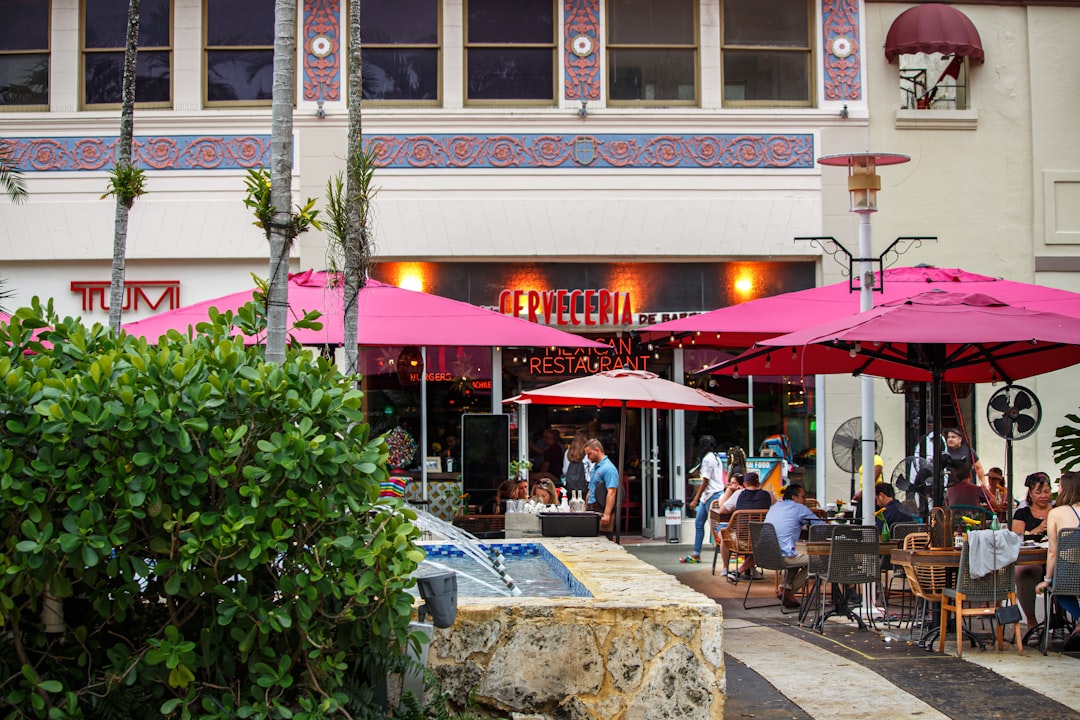
This is where these neighborhoods shine. You can genuinely walk to dinner, coffee, shopping, and entertainment. Central Avenue between 4th Street and 15th Street offers everything from casual breakfast spots to upscale dining that doesn't require a trip to Tampa.
Real places you'll actually use:
- Banyan Cafe for weekend brunch (expect a wait)
- Red Mesa Cantina for solid Mexican and strong margaritas
- The Mill for coffee that doesn't suck
- Green Bench Brewing for local craft beer
- Whole Foods at 4th Street for groceries that won't embarrass you
The Saturday Morning Market downtown is a 10-minute walk from most Kenwood/Old Northeast homes. It's tourist-heavy but legitimately good for local produce and breakfast.
The Social Scene Reality
These neighborhoods attract professionals, empty nesters, and families who can afford the premium for walkability and character. You'll meet doctors, lawyers, small business owners, and retirees who sold their suburban McMansions for historic charm.
The community feel is real but not forced. Neighbors actually talk to each other, kids play in the streets (safely), and people walk their dogs without looking over their shoulders. Block parties happen. People know each other's names.
But let's be honest: it's not the most diverse area economically. The cost of entry creates a pretty homogeneous income bracket, which may or may not align with what you're looking for in a community.
Schools: The Complicated Truth
Public School Reality
Most Kenwood and Old Northeast homes are zoned for Northeast High School (C rating), Meadowlawn Middle (B rating), and various elementary schools including Lakewood Elementary (A rating) and Orange Grove Elementary (B rating).
Northeast High has been improving but still lags behind suburban schools in test scores and college preparation. Many families in these neighborhoods either go private or open-enroll in better-rated schools across the district.
Private School Options
Several quality private schools sit within 15 minutes:
- Shorecrest Preparatory School (excellent but $25,000+/year)
- St. Petersburg Catholic High School (solid academics, around $15,000/year)
- Canterbury School of Florida (strong college prep, $20,000+/year)
Many families factor private school tuition into their housing budget when considering these neighborhoods. It's another $15,000-30,000 annually per kid, but the trade-off is living in a walkable historic area instead of suburban school district hunting.
The Homeschool Factor
I've noticed an uptick in families homeschooling in these neighborhoods — partly due to school concerns, partly because the lifestyle supports it. Coffee shops with reliable WiFi, libraries, museums, and cultural activities are all walkable. Co-ops and homeschool groups are active throughout St. Pete.
Transportation and Getting Around
The Car Situation
You'll need a car for most daily life, but you'll use it less than in typical Tampa Bay neighborhoods. Grocery runs, beach trips, and anything outside the immediate area requires driving. Most families do fine with one car if someone works from home or downtown.
Street parking is free but competitive. Many homes have driveways, but not all. Garage space is premium — some homes have been converted, others never had them. Factor this into your home search if you're picky about parking.
Commuting Realities
- Downtown St. Pete: 10-15 minutes driving, walkable for many
- Tampa (Westshore): 25-35 minutes via I-275
- Tampa (Downtown): 30-40 minutes depending on bridges
- Beaches: 15-20 minutes to Pass-a-Grille or St. Pete Beach
- Airport: 20-25 minutes to TPA
Public transit exists but isn't practical for most commutes. The Central Avenue BRT is helpful for downtown connections, but Tampa commuters will be driving.
Weather, Environment, and Practical Concerns
Hurricane Preparedness Reality
These neighborhoods sit in Evacuation Zone A for major hurricanes. The good news: most historic homes were built to handle Florida weather. The bad news: you will evacuate for Category 3+ storms, and flooding is possible during storm surge events.
Insurance reflects this reality. Flood insurance is strongly recommended even if not required by your lender. Budget $1,500-3,000 annually for flood coverage depending on your specific location and elevation.
The Heat and Humidity Factor
That gorgeous tree canopy isn't just for looks — it genuinely keeps these neighborhoods 5-10 degrees cooler than newer areas without mature trees. Summer afternoons are still brutal (it's still Florida), but morning and evening walks are pleasant most of the year.
Older homes often lack modern insulation standards. Budget $300-500+ monthly for electricity during summer months unless you've got recent energy efficiency upgrades.
Pest Control and Maintenance
Historic neighborhoods mean mature landscaping, which means bugs, occasional rodents, and the full Florida wildlife experience. Termites are a real concern in older wooden structures. Budget $150-300 annually for pest control, and get annual termite inspections.
Those beautiful mature trees also drop leaves, require occasional trimming, and sometimes fall during storms. Factor in landscape maintenance costs and potential tree removal expenses.
What You'll Love vs. What Might Drive You Crazy
The Good Stuff
Walkable lifestyle actually works: You can walk to dinner, drinks, coffee, and weekend markets. This isn't suburb-with-sidewalks walkable — it's genuinely pedestrian-friendly.
Architectural character: Every home has personality. No HOA-mandated beige stucco boxes here.
Community feel: Neighbors know each other. Kids can safely play outside. Block parties and community events happen naturally.
Location convenience: Quick access to downtown, beaches, and Tampa without living in the chaos.
Investment stability: These neighborhoods hold value well and continue appreciating as St. Pete grows.
The Annoying Parts
Parking competitions: Street parking fills up during events and busy weekends. Visitors struggle to find spots.
Tourist overflow: When downtown gets busy, foot traffic and parking spillover affect these neighborhoods.
Construction noise: Historic home renovations are constant. Someone's always doing a kitchen remodel or foundation repair.
Hurricane evacuations: You will leave for major storms. Plan accordingly.
Maintenance costs: Everything's more expensive to fix in historic homes, and things break more often.
The Money Talk: Total Cost of Living
Beyond housing costs, here's what living in Kenwood/Old Northeast actually costs:
Utilities: $250-400/month including electric, water, internet, trash Insurance: $4,000-6,000/year for homeowners plus flood insurance Maintenance: $5,000-12,000/year for historic home upkeep Dining out: Easy to spend $150-300/week with all the walkable restaurants Parking: $0-150/month depending on work location Private school: $15,000-30,000/year per child if you go that route
Total monthly carrying costs often run $4,000-7,000 for a typical family, not including the mortgage payment. It's not cheap, but you're paying for lifestyle and location that's increasingly rare in Florida.
Who Should (and Shouldn't) Consider These Neighborhoods
You'll Probably Love It Here If:
- You value walkability over suburban convenience
- Historic character matters more than modern efficiency
- You can afford the premium without stretching your budget
- You work downtown or from home
- You like knowing your neighbors
- You're comfortable with hurricane evacuation requirements
Look Elsewhere If:
- You need modern, low-maintenance housing
- Budget is tight (these neighborhoods are expensive to buy AND maintain)
- You have young kids and excellent schools are non-negotiable
- You prefer suburban amenities like big box stores and chain restaurants within walking distance
- You work in Tampa and want a shorter commute
The Investment Angle
From a pure real estate perspective, these neighborhoods have been solid performers. Values have roughly doubled over the past decade as St. Pete's popularity exploded. That said, we're likely past the explosive growth phase — expect steady appreciation rather than dramatic jumps.
The rental market stays strong due to limited inventory and high demand from young professionals who want to live near downtown but can't afford to buy yet. Good rental properties in these neighborhoods rarely sit empty.
However, don't expect to buy a fixer-upper and flip it for quick profit. Renovation costs are high, and buyers in this price range are sophisticated. Half-finished projects sit on the market longer than completed homes.
Final Thoughts: Is It Worth It?
Kenwood and Old Northeast offer something increasingly rare in modern Florida: genuine walkable neighborhoods with historic character and community feel. You're paying premium prices, but you're getting a premium lifestyle that most suburban developments can't match.
The question isn't whether these are nice neighborhoods — they absolutely are. The question is whether the lifestyle justifies the cost for your specific situation. If you can comfortably afford it and value walkability, character, and community over suburban conveniences, these neighborhoods deliver.
If you're stretching financially or prioritizing schools and modern efficiency, you might be happier (and wealthier) elsewhere in St. Petersburg or the broader Tampa Bay area.
But for families and individuals who can swing it, few places in Florida offer this combination of location, character, and genuine neighborhood feel. Just go in with eyes wide open about the real costs and maintenance realities.
Moving to Tampa Bay? Barrett Henry has been helping families relocate for over 23 years. Straight talk, smart strategy, no pressure.
Contact Barrett → | (813) 733-7907
Frequently Asked Questions
What's the difference between Kenwood and Old Northeast St. Pete?
Old Northeast is generally considered more upscale with higher home prices ($850K-$1.2M median) and more established historic homes. Kenwood offers slightly more variety in housing types and price points ($650K-$950K median), but both share similar walkable, tree-lined character and proximity to downtown St. Pete.
How much does it really cost to maintain a historic home in these neighborhoods?
Budget $5,000-12,000 annually for maintenance beyond typical homeowner costs. Historic homes require specialty contractors, period-appropriate materials, and more frequent repairs. Insurance runs $4,000-6,000+ yearly, and you'll likely need flood insurance adding another $1,500-3,000 annually.
Are these neighborhoods good for families with children?
Mixed bag. The community feel and walkability are fantastic for kids, but public schools are mediocre (Northeast High has a C rating). Many families budget $15,000-30,000 annually per child for private school, which significantly impacts the total cost of living in these areas.
How bad is the parking situation really?
Street parking is free but competitive, especially during downtown events and busy weekends. Many historic homes have single-car garages or driveways, but not all. If you're picky about parking convenience, make sure your target home has adequate off-street options before buying.
What's the hurricane risk and evacuation reality?
Both neighborhoods are in Evacuation Zone A, meaning you'll evacuate for Category 3+ hurricanes. Storm surge flooding is possible during major storms. Most historic homes are well-built for Florida weather, but budget for hurricane prep costs and have evacuation plans ready.
Can you really walk to everything or is it marketing hype?
You can genuinely walk to restaurants, coffee shops, bars, weekend markets, and some shopping along Central Avenue. However, you'll still need a car for groceries, beaches, Tampa commutes, and most daily errands. It's more walkable than 95% of Tampa Bay, but not car-free living.
How's the commute to Tampa for work?
Plan 25-35 minutes to Tampa's Westshore area, 30-40 minutes to downtown Tampa depending on bridge traffic. It's doable but not ideal if you're commuting daily. Many residents work downtown St. Pete, from home, or have flexible schedules that avoid peak traffic hours.
What's the rental market like for investors?
Strong rental demand from young professionals who want walkable lifestyle but can't afford to buy. Expect $3,000-4,500/month for 3-bedroom houses, $2,200-3,200 for 2-bedrooms. Good properties rarely sit empty, but purchase prices often make cash flow challenging without significant down payments.
Are these neighborhoods diverse?
The high cost of entry creates pretty homogeneous income levels — primarily professionals, successful small business owners, and well-off retirees. While residents come from various backgrounds, economic diversity is limited due to housing costs exceeding $700,000+ for most homes.
Should I buy now or wait for prices to drop?
These neighborhoods have seen dramatic appreciation over the past decade, and we're likely past explosive growth phase. However, limited inventory and continued St. Pete popularity suggest steady demand. If you can afford it without stretching and plan to stay 5+ years, timing the market matters less than finding the right property.
Moving to Tampa Bay? Get a Local Expert.
Barrett Henry is a Broker Associate with REMAX Collective and over 23 years of real estate experience. Straight talk, smart strategy, no pressure.
Need Help Setting Up Your New Home?
Best Bay Services handles handyman work, home repairs, and maintenance for your new Tampa Bay home. Local, licensed, and trusted.
Questions & Answers
Have a question about this topic? Ask below and the community will help.
Sign in to ask or answer questions