Published January 15, 2025
Let me get straight to the point: SoHo isn't for everyone. This trendy pocket of Hyde Park in Tampa attracts young professionals with deep pockets and a taste for nightlife, but it'll cost you. If you're considering the move, you need the real story — not the marketing fluff.
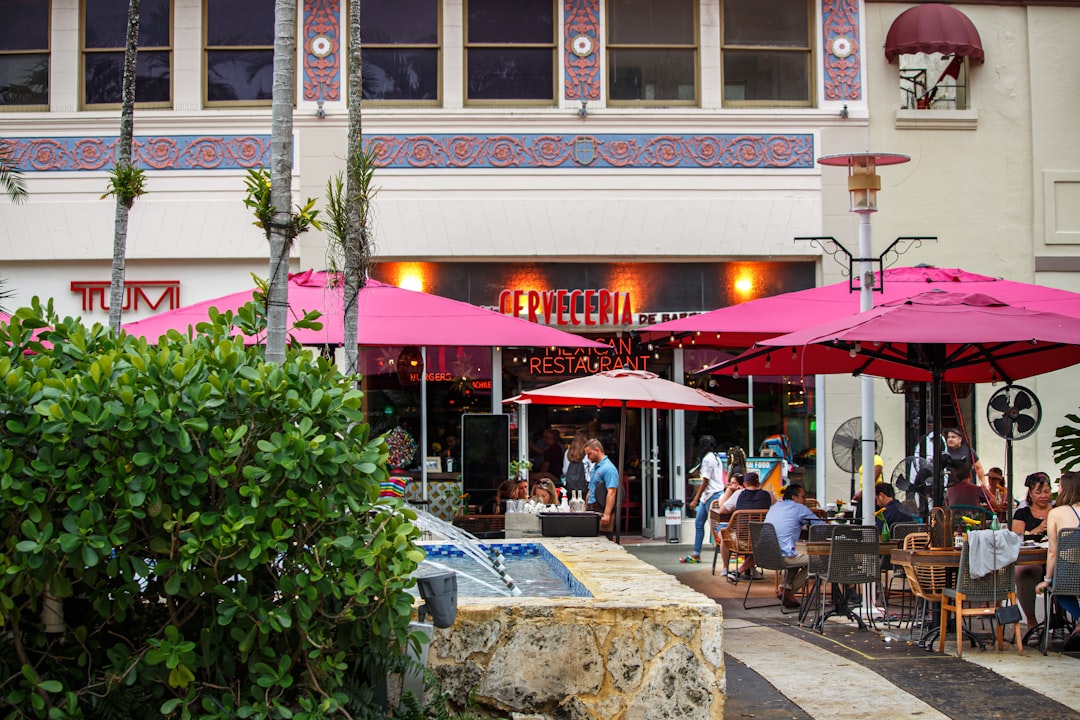
SoHo (South Howard Avenue) runs roughly from Kennedy Boulevard south to Bayshore Boulevard, bounded by Hyde Park Avenue to the west and the Hillsborough River to the east. It's Tampa's answer to a trendy urban village — think walkable streets, craft cocktails, and rent prices that'll make you question your life choices.
The SoHo Lifestyle: What You're Actually Getting Into
The Good: Walkability in Car-Centric Tampa
SoHo delivers something rare in Tampa — you can actually walk places. Grab coffee at Buddy Brew on South Howard, meet friends for dinner at Bern's Steak House (though that's technically Hyde Park proper), or catch a movie at Hyde Park Village. Within a 10-minute walk, you've got restaurants, bars, boutique shopping, and Bayshore Boulevard for jogging.
The tree-lined streets feel more like a real neighborhood than most of Tampa's suburban sprawl. You'll see people walking dogs, pushing strollers, and actually using sidewalks — revolutionary concepts in a city built for cars.
The Reality: It's Loud and Crowded
Here's what the glossy brochures don't tell you: SoHo gets loud. Really loud. Thursday through Sunday nights, South Howard Avenue transforms into Tampa's party central. We're talking bar crowds spilling onto sidewalks, Uber pickup chaos, and music thumping until 2 AM.
If you're planning to sleep with your windows open on weekends, think again. The party scene brings energy, sure, but it also brings noise complaints, parking headaches, and the occasional drunk person using your front yard as a bathroom.
Housing: What Your Money Actually Buys
Condos and Apartments: The Primary Options
Most people living in SoHo rent apartments or own condos. The housing stock is a mix of converted historic buildings and newer high-rises. Here's the breakdown:
Studio Apartments: $1,400-$1,800/month
One-bedroom: $1,800-$2,500/month
Two-bedroom: $2,400-$3,500/month
Luxury condos for sale: $300,000-$800,000
Popular complexes include The Columns on Bayshore (converted historic hotel), Element Music Row, and various smaller boutique buildings along Morrison Avenue and Swann Avenue.
Single-Family Homes: Limited but Pricey
Finding a single-family home in core SoHo is like finding parking on a Saturday night — possible, but you'll pay for it. The few houses available typically run $450,000-$750,000 for 1,200-2,000 square feet. These are often historic bungalows from the 1920s-1940s, charming but requiring ongoing maintenance.
Most families with kids end up in adjacent neighborhoods like Hyde Park proper or Seminole Heights for better value.
The Hidden Costs
Beyond rent or mortgage, factor in:
- Parking: Many buildings charge $75-$150/month for parking spots
- HOA fees: Condo fees average $200-$400/month
- Insurance: Flood insurance may be required near Bayshore
- Utilities: Older buildings can have sky-high electric bills
Transportation: Getting Around (And Out)
The Walking Score Reality Check
SoHo scores high on walkability for Tampa standards, but let's be realistic. You can walk to restaurants, bars, and basic shopping. You cannot walk to:
- Grocery stores (Publix on Swann requires a car or bike)
- The airport
- Most jobs outside downtown
- Target, Home Depot, or any big-box stores
Parking: Your Daily Nemesis
Street parking is a contact sport in SoHo. Residents get permits, but good luck finding a spot near your building after 6 PM on weekends. Many people end up paying for garage spots or walking several blocks from free parking.
Uber and Lyft are heavily used, especially for airport runs ($35-45) and getting to areas like Westshore or Brandon.
Public Transit: Limited Options
The HART bus system serves SoHo with routes along Kennedy and Bayshore, but frequency is lacking. The streetcar connects downtown to Ybor, but doesn't directly serve SoHo. Most residents rely on cars, rideshare, or bikes for daily transportation.
Dining and Nightlife: The Main Draw
Restaurant Scene: Quality Over Quantity
SoHo's dining scene punches above its weight. Standouts include:
Fine Dining: Bern's Steak House remains the crown jewel, though it's pricey ($75+ per person). On The Rocks offers solid steaks in a more casual setting.
Casual Favorites: The Independent serves great pub food and craft beer. Green Lemon is popular for healthy bowls and smoothies. Ciro's Speakeasy & Supper Club brings old-school charm.
Coffee Culture: Buddy Brew Coffee anchors the morning scene, though expect crowds and limited seating.
Bar Scene: Where SoHo Makes Its Reputation
The nightlife draws people from across Tampa Bay. Popular spots include:
- MacDinton's: Sports bar that gets rowdy during games
- The Venue: Dance club that stays packed weekends
- Ciro's: Upscale cocktails in a prohibition-era setting
- Hub Bar: Rooftop views and craft cocktails
Fair warning: these places get legitimately crowded. Lines, cover charges, and $12 cocktails are standard.
Schools: Limited Options for Families
Elementary School Reality
SoHo falls within Hillsborough County Schools, specifically:
Gorrie Elementary: The assigned school, rated B (7/10 on GreatSchools). Solid academics but limited parking for pickup/dropoff in the urban setting.
Private Options: Many SoHo families choose private schools like:
- Academy of the Holy Names (all-girls, grades PK-12)
- Tampa Preparatory School (grades 6-12)
- Bayshore Christian School (smaller, more affordable option)
Middle and High School Challenges
Wilson Middle School: The assigned middle school gets mixed reviews (C rating, 5/10). Many families opt for magnet programs or private schools.
Plant High School: Highly rated (A school, 9/10) but extremely competitive. Getting into Plant from SoHo can be challenging due to district boundaries and popularity.
The reality: SoHo attracts more young professionals than families with school-age kids. If schools are a priority, consider South Tampa neighborhoods with better zoning.
Moving to Tampa Bay? Barrett Henry has been helping families relocate for over 23 years. Straight talk, smart strategy, no pressure.
Contact Barrett → | (813) 733-7907
Shopping and Services: Urban Conveniences and Gaps
What's Within Walking Distance
SoHo covers the basics for urban living:
Hyde Park Village: High-end shopping including Anthropologie, lululemon, and Pottery Barn. About a 10-minute walk from central SoHo.
Everyday Needs: CVS Pharmacy, several banks, nail salons, and dry cleaners line South Howard Avenue.
Specialty Stores: Local boutiques and gift shops cater to the affluent demographics, though prices reflect the neighborhood.
What Requires a Drive
Groceries: The nearest full-size Publix is on Swann Avenue (driveable, not walkable). Whole Foods is at Hyde Park Village but with limited selection.
Big Box Shopping: Target, Home Depot, Costco all require 15-20 minute drives to locations in Westshore or Dale Mabry corridors.
Services: Car repairs, furniture stores, and most professional services require leaving the neighborhood.
Recreation and Outdoor Life
Bayshore Boulevard: The Crown Jewel
Living in SoHo means easy access to Bayshore Boulevard, Tampa's 4.5-mile linear park along Hillsborough Bay. It's consistently rated one of America's best urban running/walking paths.
The boulevard offers:
- Dedicated pedestrian sidewalk separated from traffic
- Bay views and downtown skyline vistas
- Popular for jogging, cycling, and walking dogs
- Free parking (though competitive during peak times)
Hyde Park and Beyond
Hyde Park itself offers more green space, including:
Hyde Park: The actual park (not just the neighborhood name) features tennis courts, playgrounds, and open space for events.
Davis Islands: A quick drive across the bridge brings you to Davis Islands Dog Park, beaches, and the Tampa General Hospital area.
Downtown Options: Curtis Hixon Waterfront Park and the Tampa Riverwalk are 10-15 minutes away.
Recreation Reality Check
While outdoor options exist, SoHo itself is fairly dense urban living. You won't have a backyard for kids to play in, and green space requires walking or driving to specific locations.
Weather and Seasonal Living
Summer: The Great Test
Tampa summers hit SoHo hard. Dense urban development creates heat islands, making temperatures feel even hotter than the already-brutal 90+ degree days. The humidity is relentless from June through September.
Air conditioning bills spike dramatically. Older buildings in particular can struggle with efficient cooling, leading to electric bills exceeding $200-300 monthly during peak summer.
Hurricane Considerations
SoHo sits in Hillsborough County's evacuation Zone A due to its proximity to Hillsborough Bay. Hurricane season (June-November) means:
- Mandatory evacuation orders for major storms
- Flood insurance requirements for some buildings
- Storm surge risks along Bayshore Boulevard
The 2017 Hurricane Irma evacuation saw SoHo largely emptied, with residents staying with friends inland or in hotels.
The Pleasant Months
October through April brings Tampa's legendary weather. Windows stay open, outdoor dining thrives, and Bayshore Boulevard becomes even more popular. These months remind you why people pay premium prices to live here.
Cost of Living: The Real Numbers
Monthly Budget Breakdown (Single Professional)
Housing: $1,800-2,500 (1BR apartment)
Parking: $75-150
Utilities: $120-200 (varies dramatically by building age)
Food/Dining: $600-1,000 (eating out frequently)
Transportation: $300-500 (car payment, insurance, gas, or rideshare)
Entertainment: $300-600 (SoHo's bar scene adds up)
Total: $3,200-4,500/month minimum
Compared to Other Tampa Areas
SoHo costs roughly 40-60% more than equivalent housing in areas like:
- Seminole Heights: Similar walkability, half the price
- Westshore: High-rise living with better parking, slightly less expensive
- Brandon/Riverview: Suburban family living at fraction of SoHo costs
You're paying a premium for location, walkability, and scene access.
Who SoHo Works For (And Who It Doesn't)
The Ideal SoHo Resident
Young Professionals (25-35): High income, social lifestyle, minimal need for space Empty Nesters: Downsizing from suburban homes, wanting urban excitement Remote Workers: High income, can afford premium for walkable lifestyle
Who Should Look Elsewhere
Families with Young Kids: Limited yard space, school challenges, safety concerns during party nights Budget-Conscious Renters: Simply too expensive for most moderate incomes Car Enthusiasts: Parking limitations and urban density create headaches Light Sleepers: Weekend noise makes this challenging
The Neighborhood Trends and Future
Development Pressure
SoHo continues densifying. New apartment complexes and condo conversions appear regularly, often replacing older buildings or single-family homes. This brings more residents but also more parking pressure and infrastructure strain.
Recent projects include several 4-6 story apartment buildings along Morrison and Swann Avenues, changing the neighborhood's scale and character.
Gentrification Reality
Long-time residents and local businesses face increasing pressure from rising rents and property values. Some longtime establishments have closed, replaced by upscale restaurants and boutiques catering to newer, more affluent residents.
Infrastructure Challenges
The city struggles to keep pace with SoHo's growth:
- Parking demand exceeds supply
- Traffic congestion worsens during peak times
- Stormwater management needs updates
- Sidewalk maintenance lags behind pedestrian usage
Safety and Security Considerations
Crime Statistics Reality
SoHo experiences typical urban crime patterns:
- Property crime (car break-ins, bicycle theft) more common than violent crime
- Late-night incidents correlate with bar closing times
- Parking lots and side streets see more issues than main corridors
The Tampa Police Department maintains regular patrols, especially during weekend nights when crowds peak.
Personal Safety Tips
Living in SoHo safely requires urban awareness:
- Avoid walking alone late at night on side streets
- Don't leave valuables visible in cars
- Use ride-share for late-night transportation
- Get to know your building's security features
Building Security
Newer apartments and condos typically offer:
- Controlled access entry systems
- Security cameras in common areas
- Some buildings employ courtesy officers
- Parking garages usually have gate access
Final Verdict: Is SoHo Worth the Premium?
After 23 years helping people relocate to Tampa Bay, I can tell you SoHo delivers exactly what it promises — if you can afford it and match the lifestyle.
You're paying $500-800 monthly premium over comparable housing elsewhere for:
- Walking to dinner and drinks
- Bayshore Boulevard access
- Urban energy in car-centric Tampa
- Social scene and networking opportunities
You're sacrificing:
- Space and storage
- Quiet evenings
- Affordable housing costs
- Easy parking
The Bottom Line: SoHo works best as a phase of life, not necessarily a permanent destination. Young professionals often love it for 2-5 years before wanting more space or starting families. Empty nesters may find it exciting after decades in suburban Tampa.
If the numbers work for your budget and the lifestyle appeals, SoHo offers Tampa's closest approximation to big-city urban living. Just know what you're getting into before you sign that lease.
Ready to Explore SoHo Properties? Barrett Henry knows Tampa neighborhoods inside and out. Let's find the right fit for your lifestyle and budget.
Contact Barrett → | (813) 733-7907
Frequently Asked Questions
Is SoHo safe to walk around at night?
SoHo is generally safe for walking, especially on main streets like South Howard Avenue where there's good lighting and regular foot traffic. However, use common urban sense — stick to well-lit areas, avoid walking alone on side streets after midnight, and stay aware of your surroundings during peak party hours.
How much should I budget for parking in SoHo?
Expect $75-150 monthly for a dedicated parking spot in most apartment buildings or condos. Street parking with a resident permit is cheaper but competitive, especially on weekends. Factor in occasional paid parking ($5-10) when street spots aren't available near your building.
What's the best way to get to Tampa International Airport from SoHo?
Uber or Lyft typically costs $35-45 and takes 25-35 minutes depending on traffic. Some residents use airport parking ($7-25/day) and drive themselves. Public transit options are limited and impractical with luggage.
Are there grocery stores within walking distance of SoHo?
The nearest full-size grocery store (Publix on Swann Avenue) requires a short drive or bike ride — it's not comfortably walkable. Hyde Park Village has a small Whole Foods with limited selection. Most residents drive for major grocery shopping or use delivery services.
What's the noise level like during weekdays versus weekends?
Weekdays are generally quiet and pleasant for urban living. Weekends (Thursday-Sunday nights) bring significant noise from bars, restaurants, and party crowds until 2 AM. If you're sensitive to noise, consider units facing away from South Howard Avenue or invest in good sound-dampening window treatments.
How does SoHo compare to other Tampa neighborhoods for young professionals?
SoHo offers the most walkable nightlife and dining scene but at premium prices. Seminole Heights provides similar walkability with more affordable housing and a artsy vibe. Downtown offers high-rise living with better parking but less neighborhood feel. Westshore has newer buildings and easier commutes but requires driving for entertainment.
What are the school options for families living in SoHo?
The assigned public schools are Gorrie Elementary (B-rated), Wilson Middle School (C-rated), and Plant High School (A-rated, but competitive admission). Many families choose private schools like Academy of the Holy Names, Tampa Prep, or Bayshore Christian. However, SoHo attracts more young professionals than families with school-age children.
Is flood insurance required in SoHo?
Properties near Bayshore Boulevard may require flood insurance due to proximity to Hillsborough Bay and storm surge risks. Check with your insurance agent and mortgage lender, as requirements vary by specific location and building elevation. Hurricane evacuation zone maps classify most of SoHo as Zone A.
What's the average utility cost in SoHo apartments and condos?
Electric bills range dramatically from $80-300 monthly depending on building age, unit size, and season. Older buildings with poor insulation see higher costs, especially during Tampa's brutal summer months (June-September). Water, sewage, and trash typically add another $30-60 monthly.
How long does it take to commute to major Tampa employment centers from SoHo?
Downtown Tampa: 10-15 minutes. Westshore business district: 15-20 minutes. Tampa International Airport area: 20-25 minutes. Brandon/Riverview: 30-40 minutes. Times vary significantly based on traffic, and rush hour can add 10-15 minutes to any commute.
Moving to Tampa Bay? Get a Local Expert.
Barrett Henry is a Broker Associate with REMAX Collective and over 23 years of real estate experience. Straight talk, smart strategy, no pressure.
Need Help Setting Up Your New Home?
Best Bay Services handles handyman work, home repairs, and maintenance for your new Tampa Bay home. Local, licensed, and trusted.
Questions & Answers
Have a question about this topic? Ask below and the community will help.
Sign in to ask or answer questions