Published January 7, 2026
You've endured your last polar vortex. That February morning when your car wouldn't start and the high was -12°F was the breaking point. Now you're seriously considering Tampa Bay, and honestly? Smart move. But let's talk reality — not the sunshine-and-beaches fantasy that real estate postcards sell you.
After 23+ years helping Midwesterners make this transition, I've seen the patterns. The joys, the surprises, and yes, the occasional "what did I get myself into?" moments. Here's what actually happens when you trade corn fields for palm trees.
The Geography Shock (Or Lack Thereof)
Welcome to Flat Earth (Literally)
If you're from anywhere with hills — Iowa, Illinois, even Michigan — Tampa Bay will mess with your depth perception for about six months. The highest natural point in Hillsborough County is 85 feet above sea level. For perspective, that's shorter than most downtown buildings.
This isn't just trivia. It affects everything:
- Your GPS will work differently (no "turn left after the big hill")
- Flooding happens in places that look perfectly safe
- You'll miss seasonal changes more than you expect (no leaves changing on hillsides)
- Every sunset looks the same because there are no rolling hills to frame it
The upside? Biking everywhere becomes possible. Walking to restaurants doesn't require climbing three blocks uphill in August.
Water, Water, Everywhere
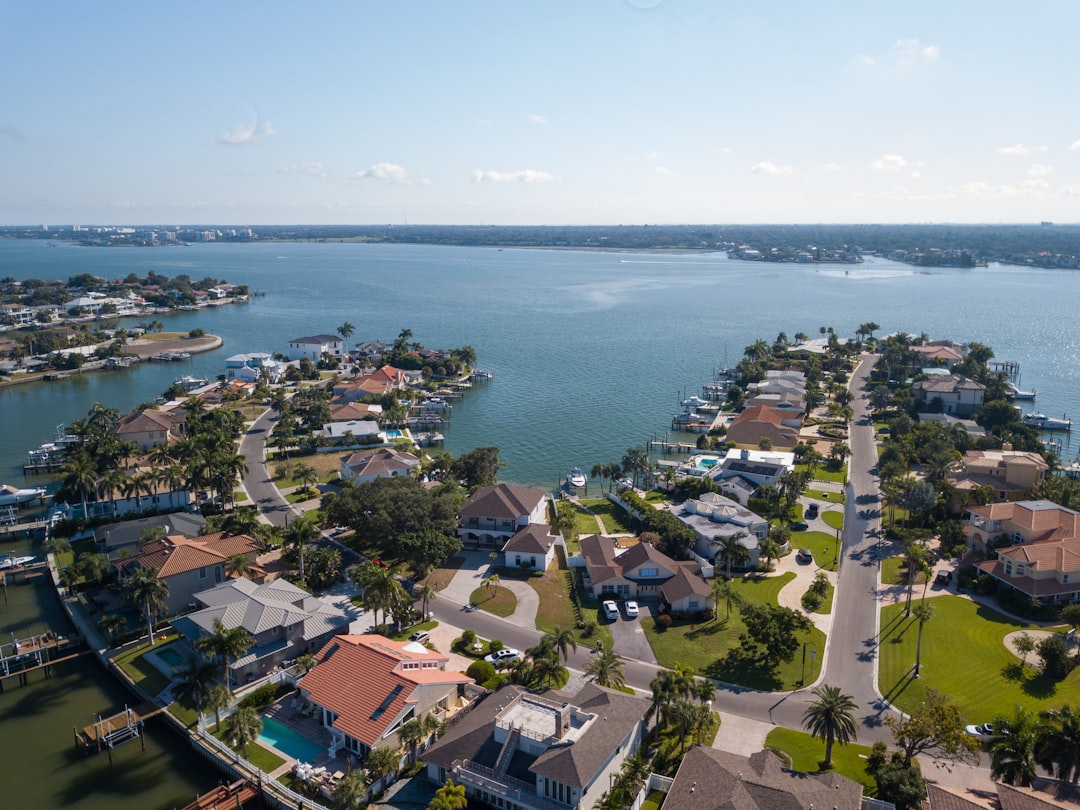
The Great Lakes are impressive, but Tampa Bay sits on a peninsula surrounded by actual saltwater. We're talking:
- Tampa Bay (the body of water) covering 400 square miles
- The Gulf of Mexico 20 minutes west from downtown Tampa
- Over 165 miles of coastline just in Hillsborough County
This creates weather patterns you've never experienced. Lake effect snow? Meet bay effect thunderstorms — daily, at 3 PM, for four months straight.
Weather Reality Check
Summer: The Great Humbler
You think you know hot because you lived through that 98°F day in Chicago. Let me introduce you to Tampa's August: 94°F with 89% humidity at 7 AM. The heat index hits 110°F by noon, and it doesn't drop below 80°F until October.
But here's the kicker — it's predictable. Every day from June through September:
- Morning: 82-85°F, sticky
- Afternoon: 92-96°F, thunderstorms at 3 PM
- Evening: 88°F, still sticky but slightly better
Midwesterners usually handle this better than Northeasteners because you're used to humidity. Still, budget for a $200+ electric bill in summer months.
Winter: Why You Came Here
December in Tampa Bay averages 65-75°F. January dips to 60-70°F. That's sweater weather, not parka weather. You'll wear shorts on Christmas and feel slightly guilty about it.
The real adjustment? No seasons. October feels like September. March feels like April. Your body clock, trained on corn harvest schedules and first frost dates, will be confused for a full year.
Hurricane Season: Not as Scary as CNN Makes It Look
Living in Tornado Alley prepared you better than most. Hurricanes give you 5-7 days notice. Tornadoes give you 5-7 minutes. The drill here:
- June through November is "hurricane season"
- Actual threats: maybe 1-2 storms per decade
- Prepare like you would for a blizzard, but with plywood instead of rock salt
Most storms curve north toward the Panhandle or Carolinas. Tampa Bay has been directly hit by a major hurricane exactly once since 1921. Your bigger worry? Daily thunderstorms with more lightning strikes per square mile than anywhere else in America.
Cultural Transitions
Goodbye, Midwest Nice — Hello, Transplant Majority
Here's something that shocks everyone: Tampa Bay is mostly people from somewhere else. In many neighborhoods, you'll be hard-pressed to find someone actually born in Florida. This creates a weird dynamic where "Tampa culture" is actually a blend of everywhere else.
The good news? You won't stick out as "the new person from Ohio." The bad news? There's no deep-rooted community to plug into. Everyone's figuring it out together.
Food Scene Reality
Forget deep-dish pizza (though we have Lou Malnati's locations now). Tampa Bay food is:
- Cuban sandwiches (the official sandwich of Tampa)
- Grouper everything
- Craft breweries on every corner
- BBQ that's different but not worse
- Mexican food that's actually Mexican, not Midwest Mexican
The restaurant turnover is insane — triple what you're used to. Great spots close after two years. Tourist traps survive forever. Local neighborhoods develop their own food scenes that change annually.
Pace of Life Confusion
You expect everyone to move slower because "Southern living," right? Wrong. Tampa Bay moves at Northeast speed with Southern inefficiency. Traffic is aggressive. Service is slower. Everything takes longer to accomplish but everyone acts like they're in a hurry.
Construction projects take three times longer than anywhere in the Midwest, but drivers act like they're late for a Chicago Board of Trade opening bell.
Housing Market Shock
Sticker Shock Level: Significant
That $180,000 house you sold in suburban Columbus? It's $380,000 here. The $250,000 house you sold in a nice suburb of Indianapolis? $450,000 minimum in a decent Tampa Bay area.
Current reality (2024 numbers):
- Median home price in Hillsborough County: $425,000
- Pinellas County median: $398,000
- Decent 3BR/2BA in suburbs: $350,000-$480,000
- Move-in ready with a pool: $450,000+
What Your Money Actually Buys
For that $400,000, expect:
- 1,650-1,850 square feet (smaller than Midwest equivalent)
- Built in 1985-1995 (or 2005-2015 if you're lucky)
- Tile floors throughout (carpet molds in this humidity)
- Screened lanai instead of deck
- Pool might be included
- No basement (obviously)
- No garage often, just carport
The good news? Property taxes are relatively low, and there's no state income tax. The math usually works out, especially if you're escaping Illinois property taxes.
Moving to Tampa Bay? Barrett Henry has been helping families relocate for over 23 years. Straight talk, smart strategy, no pressure.
Contact Barrett → | (813) 733-7907
Neighborhood Navigation
Where Midwesterners Actually End Up
Based on 20+ years of helping families relocate, here's where people from the heartland typically settle:
Westchase/Town 'N' Country: Feels like suburban Columbus. Chain restaurants, good schools, family-friendly. Home prices $320,000-$450,000.
Brandon: Think Naperville with palm trees. Master-planned communities, excellent schools, 30 minutes from downtown. $280,000-$420,000 range.
Carrollwood: Established neighborhood with character. Less cookie-cutter than other areas. $250,000-$380,000.
New Tampa: Newer construction, great schools, feels like any newer Midwest suburb. $350,000-$500,000+.
For specific neighborhood deep-dives, check out our complete area guides — I break down commute times, school ratings, and what each area actually feels like to live in.
The Commute Reality
Forget everything you know about traffic patterns. Tampa Bay traffic makes no sense:
- Rush hour starts at 7 AM and ends at 7 PM
- I-4 is always under construction (literally, since 1958)
- Distance means nothing — 8 miles can take 45 minutes
- Surface roads often beat highways
- Bridges create bottlenecks everywhere
Plan your home purchase around commute routes, not distance. A house 12 miles from work might take longer than one 20 miles away if it involves crossing Tampa Bay or fighting I-4.
Lifestyle Adjustments
Outdoor Living (Whether You Want It or Not)
In the Midwest, you have outdoor months and indoor months. Here, you're outside year-round by default. This means:
- Pool maintenance becomes a regular chore
- Landscaping is a constant battle
- Your electric bill runs high 9 months per year
- Sunscreen becomes a daily habit
- You'll buy more outdoor furniture than you think
Social Scene Differences
Midwest social life revolves around seasons and indoor gatherings. Here, everything happens outside:
- Backyard parties year-round
- Beach days replace lake days
- Boating culture (even if you don't boat)
- Golf becomes a viable hobby
- Walking/biking communities actually exist
The downside? No natural gathering season. No "everyone stays inside for three months and catches up." Social calendars stay packed year-round.
Practical Considerations
Car Care in Paradise
Your Midwest car maintenance knowledge needs updating:
- Air conditioning runs constantly (repair budget: $800/year)
- Salt air corrodes everything faster
- Tire pressure swings wildly with daily temperature changes
- Parking in shade becomes an obsession
- Car washes are weekly, not seasonal
Insurance Reality
Home insurance will shock you. Hurricane coverage, flood insurance, higher property values — budget $2,500-$4,000 annually for a typical home. That's 2-3 times what you paid in Ohio.
Car insurance might actually decrease. No snow/ice claims, and Florida's no-fault system keeps some costs down.
Utilities and Services
Electric bills replace heating bills. Summer months routinely hit $180-220 for a 1,800 sq ft home. But you'll save on:
- No natural gas heating
- Lower water bills (no frozen pipes)
- No snow removal equipment or services
- No winter clothing budget
Internet and cable cost the same. Cell service is generally better (fewer rural dead zones).
Schools and Family Life
Education Landscape
Hillsborough County schools serve over 220,000 students — larger than many Midwest cities' entire population. The system is:
- Generally good with pockets of excellence
- More diverse than most Midwest districts
- Newer facilities in growth areas
- Magnet programs offering specialized options
Top-rated elementary schools typically score 8-9/10. High schools vary widely — research specific schools, not just districts. Private school options abound if public schools don't fit.
Youth Sports and Activities
Forget indoor winter leagues. Here, kids play outside year-round:
- Baseball/softball nearly 12 months
- Swimming becomes a year-round sport
- Soccer continues through "winter"
- Tennis and golf are viable school sports
The competition level is higher in many sports because kids practice year-round. Budget for higher travel costs — tournaments are often in Orlando, Miami, or out-of-state.
Financial Planning Adjustments
Cost of Living Reality
Tampa Bay costs about 8-12% more than comparable Midwest cities, but the breakdown is different:
Higher costs:
- Housing: 25-40% more
- Home insurance: 200-300% more
- Utilities (summer): 40% more
- Dining out: 15-20% more
Lower costs:
- Heating: $0 (obviously)
- Winter clothing: Minimal
- Snow removal: $0
- State income tax: $0
- Car winter prep: $0
Job Market Differences
Tampa Bay's economy runs on:
- Healthcare (massive industry here)
- Technology (growing fast)
- Finance (regional headquarters)
- Tourism (always present)
- Construction (constant)
Salaries typically run 5-10% lower than major Midwest cities, but the no-state-income-tax advantage often makes up the difference. Remote work opportunities are abundant if you can keep your Midwest salary.
Making the Transition Smoother
Timeline Recommendations
6 months before moving:
- Visit during July or August (experience the worst weather)
- Research specific neighborhoods, not just cities
- Get pre-approved for a mortgage (prices move fast)
3 months before:
- Secure temporary housing for 30-60 days after arrival
- Research schools if you have children
- Plan for higher utility deposits (no local credit history)
1 month before:
- Set up bank accounts at local institutions
- Research car registration requirements (you have 30 days)
- Find temporary doctors/dentists
First-Year Survival Tips
- Join community groups immediately — NextDoor, local Facebook groups, neighborhood associations
- Find your grocery stores early — Publix is everywhere, but regional chains like Winn-Dixie or local markets might save money
- Learn the back roads — GPS will route you onto highways that are parking lots
- Embrace the rain — 3 PM thunderstorms last 20 minutes, then it's gorgeous again
- Budget for hurricane supplies in May — water, batteries, generator if needed
Common First-Year Mistakes
- Underestimating utility costs
- Buying a house too far from work (traffic is worse than you think)
- Not researching flood zones properly
- Expecting Northern-style customer service
- Joining too many activities (no winter hibernation period)
Moving to Tampa Bay? Barrett Henry has been helping families relocate for over 23 years. Straight talk, smart strategy, no pressure.
Contact Barrett → | (813) 733-7907
The Bottom Line
Moving from the Midwest to Tampa Bay isn't just about trading snow boots for flip-flops. You're trading familiar seasonal rhythms for year-round consistency, tight-knit communities for transplant networking, and affordable housing for no state income tax.
Most Midwesterners who make the move love it after the first year. The ones who struggle? Usually those who expected everything to work exactly like "back home" or who didn't research neighborhoods properly.
The transition is manageable if you plan for the differences instead of assuming everything will be the same but warmer. Tampa Bay offers genuine quality of life improvements for most families — you just need to understand what you're actually buying into.
And yes, you'll miss seasons. Everyone does. But when your friends back home are posting about their heating bills in February, you'll be grilling on your lanai in shorts.
Frequently Asked Questions
How much money should I save before moving from the Midwest to Tampa Bay?
Plan for $15,000-25,000 beyond your down payment and moving costs. This covers higher security deposits, utility setup fees, immediate home repairs, and the first few months of higher expenses while you adjust. Many Midwesterners underestimate the upfront costs.
Will I need flood insurance, and how much does it cost?
Most mortgage companies require flood insurance if you're in a flood zone, but it's smart regardless. Annual premiums range from $400-1,200 depending on your specific location and coverage. Even homes that "never flood" can surprise you during unusual weather events.
How long does it take to adjust to the heat and humidity?
Most Midwesterners physically acclimate within 6-8 months, but the first summer is rough. Your body will adjust to sweating more and needing less clothing. The bigger adjustment is psychological — learning to plan outdoor activities around weather patterns instead of seasons.
Are the schools really better than Midwest public schools?
It depends entirely on the specific district and school. Top-rated Tampa Bay schools (8-9/10 rating) compete with excellent Midwest districts. Average schools here perform similarly to average Midwest schools. Research specific schools, not just district reputations.
What's the job market like compared to the Midwest?
Tampa Bay's job market is strong but different. Healthcare, tech, and finance dominate. Salaries run 5-10% lower than major Midwest cities, but no state income tax often makes up the difference. Remote work is common if you can keep your current employer.
Should I rent first or buy immediately?
Rent for 3-6 months minimum. This gives you time to learn neighborhoods, commute patterns, and local market conditions. Many Midwesterners buy too quickly and regret their location choice once they understand Tampa Bay's geography better.
How bad is hurricane season really?
Less scary than tornado season in most Midwest states. You get 5-7 days notice, and direct hits on Tampa Bay are rare (once since 1921). Stock up on supplies like you would for a blizzard, follow evacuation orders if given, and don't panic when the weather channel dramatizes every storm.
Will I miss the changing seasons?
Yes, almost everyone does initially. Tampa Bay has two seasons: hot/wet and warm/dry. You'll miss fall colors, first snow, and spring blooms. However, most people adapt within 2-3 years and start appreciating year-round outdoor living over seasonal beauty.
Moving to Tampa Bay? Get a Local Expert.
Barrett Henry is a Broker Associate with REMAX Collective and over 23 years of real estate experience. Straight talk, smart strategy, no pressure.
Need Help Setting Up Your New Home?
Best Bay Services handles handyman work, home repairs, and maintenance for your new Tampa Bay home. Local, licensed, and trusted.
Questions & Answers
Have a question about this topic? Ask below and the community will help.
Sign in to ask or answer questions