Published November 13, 2025
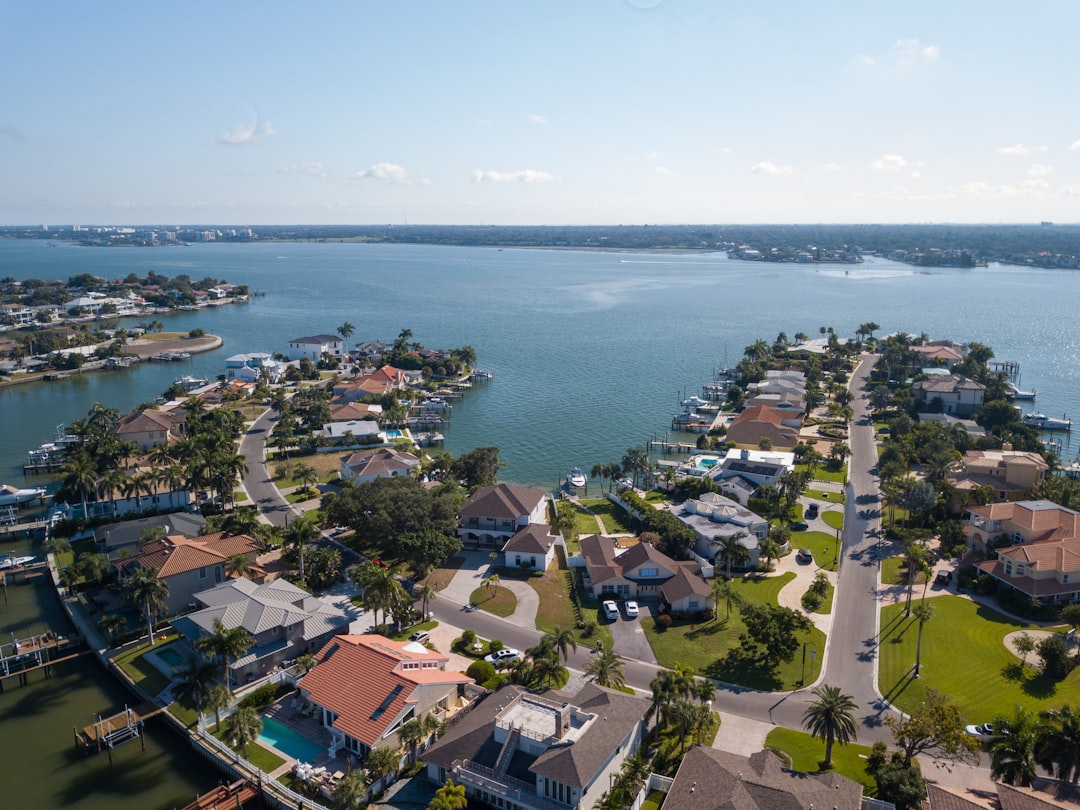
Moving to Florida isn't just about sunshine and beaches when you're 55-plus. After two decades of helping families relocate to Tampa Bay, I've learned that seniors face unique challenges that younger movers never consider. Let me walk you through what really matters.
Why Seniors Choose Florida (Beyond the Weather)
Every week, I meet retirees who thought they had Florida figured out from vacation visits. Reality check: living here year-round is different than two weeks at a beach resort.
No State Income Tax — This one's real. Florida doesn't tax retirement income, Social Security, or pension distributions. For a couple pulling $80,000 annually from retirement accounts, that's roughly $3,200-$4,800 saved yearly compared to states like New York or California.
Lower Property Taxes — Hillsborough County's millage rate sits around 16.5 mills, translating to about $1,650 per $100,000 of assessed value. Plus, Florida's Homestead Exemption removes $50,000 from your assessed value if you make the home your permanent residence.
Senior-Friendly Infrastructure — Tampa Bay has 47 active adult communities, from Del Webb Mirabay in Apollo Beach to On Top of the World in Ocala. These aren't just golf course developments — they're designed around aging in place.
Healthcare Concentration — We have some of the nation's top medical facilities within driving distance: Tampa General Hospital (ranked #1 in Florida), Johns Hopkins All Children's Hospital, and Moffitt Cancer Center.
The Medicare Maze: What Changes When You Move
This catches everyone off-guard. Moving to Florida doesn't automatically update your Medicare coverage, and the timing matters more than most people realize.
Medicare Advantage Plans Don't Travel
If you're on a Medicare Advantage plan from another state, it likely won't cover you in Florida. You'll need to switch during Open Enrollment (October 15 - December 7) or qualify for a Special Enrollment Period.
Here's what I tell clients: Contact Medicare at 1-800-MEDICARE before you move. Tell them your new Florida zip code and moving date. They'll walk you through your options and timeline.
Finding New Doctors
Florida has 289 doctors per 100,000 residents — above the national average. But the good ones book up fast. In Tampa Bay, I recommend starting your search 60-90 days before moving:
- Tampa General Physicians — Multiple locations, accepts most Medicare plans
- BayCare Medical Group — Extensive network across Pinellas, Hillsborough, and Pasco counties
- AdventHealth — Strong presence in Central Florida
Start with your current doctor's recommendations. Many physicians have colleagues who've relocated to Florida.
Prescription Coverage Reality
Florida's pharmacy landscape differs from other states. CVS and Walgreens dominate, but smaller chains like Winn-Dixie Pharmacy often have shorter wait times and better customer service for seniors.
Pro tip: Before moving, get a 90-day supply of critical medications. This gives you time to establish care with new physicians and work through any insurance hiccups.
Housing: Beyond the Brochure
The glossy retirement community marketing materials don't tell the whole story. Here's what 23 years of Tampa Bay real estate has taught me about senior housing options.
Active Adult Communities (55+)
These aren't nursing homes — they're vibrant neighborhoods with age restrictions and amenities designed around active lifestyles.
Del Webb Communities lead the pack locally:
- Del Webb Mirabay (Apollo Beach) — $280,000-$450,000, resort-style amenities, 18-hole golf
- Del Webb Wesley Chapel — $320,000-$520,000, newer construction, closer to medical facilities
Village Communities offer a different approach:
- Village of Monarch Lakes (Miramar) — $180,000-$320,000, manufactured homes on owned land
- Village of Wallen (Brooksville) — $145,000-$285,000, more affordable option
Traditional Neighborhoods with Senior Appeal
Not everyone wants the 55+ lifestyle. Some prefer diverse, established neighborhoods with nearby amenities:
Westchase (Tampa) — Mature neighborhood, sidewalks throughout, close to Memorial Hospital. Homes $350,000-$650,000.
Seminole (Pinellas County) — Small-town feel, 15 minutes to beaches, excellent walkability. Homes $200,000-$450,000.
Safety Harbor — Historic downtown, active waterfront, manageable size. Homes $275,000-$550,000.
Accessibility Considerations Most People Miss
Florida's newer construction generally includes more accessible features, but older homes often need modifications:
Single-Story Preference — Ranch-style homes command premiums in Tampa Bay. Expect to pay 10-15% more for equivalent square footage.
Bathroom Modifications — Walk-in showers, grab bars, comfort-height toilets. Budget $8,000-$15,000 for a full accessible bathroom renovation.
Doorway Width — Standard 32-inch doorways won't accommodate wheelchairs or walkers comfortably. Look for homes with 36-inch openings.
Transportation and Mobility
Let's address the elephant in the room: driving in Florida is different, especially for seniors.
Public Transportation Reality
Tampa Bay's public transit exists but remains limited compared to Northeast and West Coast metros.
HART (Hillsborough Area Regional Transit) serves Tampa with basic bus routes and the downtown streetcar. Useful for specific corridors but not comprehensive.
PSTA (Pinellas Suncoast Transit Authority) connects St. Petersburg, Clearwater, and Pinellas beaches. More extensive than HART but still requires car ownership for most activities.
Ride-sharing and Senior Services — Uber and Lyft operate throughout the area. Many 55+ communities also provide scheduled transportation to shopping centers and medical appointments.
The Florida Driver Reality Check
Florida has unique driving challenges that catch newcomers off-guard:
Tourist Traffic — Winter months bring aggressive, lost drivers unfamiliar with local roads. Avoid I-4 between Tampa and Orlando during peak season if possible.
Weather-Related Visibility — Afternoon thunderstorms create temporary but intense driving conditions. Many seniors adjust their schedules to avoid 2-5 PM driving during summer months.
Roundabouts — Florida loves roundabouts, especially in newer developments. If you're not comfortable with them, practice in low-traffic areas first.
Financial Planning: The Hidden Costs
Moving to Florida saves money in some areas but costs more in others. Here's the real breakdown:
Property Insurance Reality
Florida homeowners insurance averages $2,400-$3,600 annually — roughly double the national average. Factors affecting your rates:
Hurricane Risk — Coastal properties pay significantly more. A $300,000 home in Clearwater might cost $3,200 annually to insure, while the same home in Lakeland costs $2,100.
Flood Insurance — Often required and always recommended. Average annual cost: $700-$1,200 for moderate-risk areas.
Age of Home — Homes built before 2002 (pre-improved building codes) face higher premiums. Budget accordingly.
HOA Fees and Special Assessments
Active adult communities typically charge $150-$400 monthly HOA fees. These cover amenities, landscaping, and community maintenance. But watch for special assessments:
Clubhouse Renovations — $2,000-$5,000 per household
Road Resurfacing — $1,500-$3,000 per household
Pool/Golf Course Improvements — $3,000-$7,000 per household
Read the HOA financials and meeting minutes before buying. Well-managed communities plan for these expenses; poorly managed ones surprise residents.
Healthcare Costs
Florida's healthcare costs run slightly below national averages, but Medicare supplement insurance (Medigap) pricing varies significantly by location and provider.
Medigap Plan G (most popular among my senior clients) — $125-$180 monthly in Tampa Bay, depending on age and health status.
Prescription Costs — Florida pharmacies are competitive, but always comparison shop. GoodRx and pharmacy discount programs can significantly reduce out-of-pocket costs.
Making the Social Transition
This might be the most overlooked aspect of senior relocation. Leaving established social networks challenges many retirees more than they anticipated.
Building New Connections
Faith Communities — Florida has active congregations of every denomination. Many offer newcomer programs and senior-specific activities.
Volunteer Opportunities — Tampa Bay has endless nonprofit organizations seeking volunteers: Florida Aquarium, Museum of Science and Industry, local hospitals, animal shelters.
Recreation Centers — Every municipality operates recreation centers with senior programs. Pinellas County's centers offer everything from water aerobics to computer classes.
Hobby Groups — Whatever your interest, someone's organized around it here. Gardening clubs, book clubs, photography groups, genealogy societies — they all exist and welcome newcomers.
Maintaining Long-Distance Relationships
Technology Comfort — If you're not already comfortable with video calling, learn before you move. FaceTime, Zoom, and Skype help maintain family connections.
Travel Planning — Budget for more frequent trips back home initially. Most new residents underestimate how often they'll want to visit family and friends during the first two years.
Guest Accommodations — Consider homes with space for visitors. A spare bedroom or convertible den makes it easier for family to visit.
Practical Moving Timeline for Seniors
Moving requires more lead time when you're 55-plus. Here's my recommended timeline:
6 Months Before Moving
- Research Medicare options in your target area
- Begin downsizing possessions
- Research neighborhoods and housing options
- Contact moving companies for estimates
4 Months Before Moving
- Visit Florida for extended house-hunting trip
- Meet with real estate agent
- Research medical providers
- Apply for any needed housing in active adult communities
2 Months Before Moving
- Finalize home purchase or lease
- Schedule moving company
- Begin address changes with important institutions
- Arrange temporary housing if needed
1 Month Before Moving
- Complete comprehensive moving checklist
- Schedule utility connections
- Confirm Medicare coverage start dates
- Pack essential medications and documents
Moving Week
- Supervise movers carefully — fragile items need extra attention
- Keep important documents and medications with you
- Plan for several days of unpacking help
Moving to Tampa Bay? Barrett Henry has been helping families relocate for over 23 years. Straight talk, smart strategy, no pressure.
Contact Barrett → | (813) 733-7907
Final Reality Check: Is Florida Right for You?
Not every senior thrives in Florida. Be honest about these considerations:
Heat Tolerance — Can you handle 85°F and humid from May through October? Air conditioning becomes a necessity, not a luxury.
Hurricane Preparedness — Are you physically and emotionally prepared for evacuation procedures and potential property damage?
Distance from Family — How important is being within driving distance of children and grandchildren?
Healthcare Needs — Do you have complex medical conditions requiring specialists? Research provider availability before committing.
Social Needs — Are you comfortable building new social networks, or do you prefer maintaining established relationships?
The seniors who thrive in Florida approach the move thoughtfully, with realistic expectations and thorough preparation. Those who struggle often moved impulsively based on vacation experiences rather than year-round living realities.
Florida offers tremendous advantages for the right senior in the right circumstances. But like any major life decision, success depends on honest self-assessment and thorough preparation. The reward — enjoying your retirement years in one of America's most senior-friendly states — makes the effort worthwhile.
For detailed moving logistics and timeline management, check out our complete moving guide designed specifically for Tampa Bay relocations.
Frequently Asked Questions
How long do I have to live in Florida before getting resident tuition rates?
You must establish legal residency for 12 consecutive months before the first day of classes to qualify for in-state tuition rates. This applies to continuing education courses at universities and community colleges that many seniors enjoy.
Can I keep my current bank accounts when moving to Florida?
Yes, major national banks operate throughout Florida. However, consider opening an account with a local Florida bank or credit union for better customer service and potential relationship benefits for mortgages or other services.
What's the best time of year to move to Florida as a senior?
October through December offers the most comfortable weather for physically demanding moves. You'll also avoid peak tourist season and have better access to service providers and contractors for any home modifications needed.
Do I need to retake my driving test when moving to Florida?
Not if you have a valid license from another state. You have 30 days to transfer your license to Florida, which requires vision screening, written knowledge of traffic laws, and surrender of your out-of-state license.
How do Florida's senior property tax exemptions work?
The standard Homestead Exemption removes $50,000 from assessed value. Additional Senior Exemption may apply if you're 65+ with household income under $32,000, removing another $50,000. Veterans may qualify for additional exemptions regardless of age.
What happens to my Medicare coverage if I spend summers in another state?
Original Medicare (Part A and Part B) works nationwide. However, Medicare Advantage plans typically only cover emergencies outside their service area. Consider switching to Original Medicare with a supplement if you plan to spend significant time in multiple states.
Are there any restrictions on bringing pets when moving to senior communities?
Most 55+ communities allow pets but with restrictions. Common limits include two pets maximum, weight restrictions (usually under 25-40 pounds for dogs), and breed restrictions. Some communities charge pet fees or deposits ranging from $200-$500 per pet.
How much should I budget for the first year's living expenses in Florida?
Budget 10-15% more than your current living expenses for the first year. This covers moving costs, potential home modifications, higher insurance premiums, and the inevitable expenses of establishing yourself in a new state. Most seniors find costs normalize by year two.
Moving to Tampa Bay? Get a Local Expert.
Barrett Henry is a Broker Associate with REMAX Collective and over 23 years of real estate experience. Straight talk, smart strategy, no pressure.
Need Help Setting Up Your New Home?
Best Bay Services handles handyman work, home repairs, and maintenance for your new Tampa Bay home. Local, licensed, and trusted.
Questions & Answers
Have a question about this topic? Ask below and the community will help.
Sign in to ask or answer questions