Published January 21, 2026
If you're serious about running or fitness, Tampa Bay isn't just another Sun Belt metro — it's a legitimate training destination. I've watched this area transform from a handful of scattered trails to one of the most runner-friendly regions in the Southeast. After 23 years selling homes here, I can tell you the fitness-focused buyers I work with consistently choose Tampa Bay for good reason.
The year-round training weather, world-class trail systems, and legitimate racing scene make this more than just a pretty place to jog. We're talking about infrastructure that supports everything from casual 5K training to Boston Marathon prep.
The Bayshore Boulevard Experience
Let's start with the crown jewel. Bayshore Boulevard's 4.5-mile stretch is consistently ranked among America's best urban running routes, and honestly, the rankings undersell it. This isn't just scenic — it's functional.
The continuous sidewalk runs from downtown Tampa to Ballast Point, with mile markers every quarter-mile. Water fountains every half-mile. Restrooms at Hyde Park and Ballast Point. The grade is virtually flat, making it perfect for tempo runs or those brutal Florida summer training sessions when you need predictable footing.
Peak Hours and Strategy
Early morning (5:30-7:30 AM) brings the serious training crowd. You'll see sub-3-hour marathoners, collegiate athletes home for break, and that core group of locals who've been hitting this route for decades. Evening (6:00-8:00 PM) skews more social — running groups, casual joggers, families on bikes.
Pro tip from someone who runs this route: park at the Davis Islands Yacht Club area if you want the full out-and-back experience. Free parking, clean restrooms, and you avoid the Hyde Park congestion.
Trail Systems That Actually Work
Tampa Bay's trail network covers over 200 miles of connected pathways, but not all miles are created equal. Here's what actually matters for serious training:
Upper Tampa Bay Trail
This 7-mile paved trail from Carrollwood to Citrus Park delivers consistent surface, minimal road crossings, and enough elevation change to keep things interesting. The Lutz section features rolling hills — rare in Florida — that translate well to race preparation.
The trail connects to Carrollwood and Citrus Park residential areas where many of my runner clients end up. Home prices in these neighborhoods range from $350K-$650K, and proximity to serious training infrastructure factors into property values.
Flatwoods Park Trail System
Located in Hillsborough County, Flatwoods offers 20+ miles of interconnected trails through actual wilderness. The 7-mile paved loop serves as the foundation, but the unpaved connector trails let you build serious weekly mileage without repeating the same scenery.
Entry fee is $2 per vehicle. The trail surface is consistently maintained asphalt with bridge crossings that add welcome variety to long runs. Mile markers throughout, and the loop design means you're never more than 3.5 miles from your car.
Pinellas Trail
The 47-mile Pinellas Trail runs from St. Petersburg to Tarpon Springs, making it Florida's longest urban trail. The southern sections through St. Pete and Safety Harbor offer the best combination of scenery and runner amenities.
Key segments for training:
- St. Pete to Seminole: 12 miles of consistent surface with Starbucks and restroom stops
- Dunedin to Safety Harbor: 8 miles through some of the area's most desirable residential areas
- Safety Harbor to Tarpon Springs: 15 miles of rolling terrain (by Florida standards)
Racing Scene and Training Groups
Tampa Bay's racing calendar runs year-round, but the premium events happen during our "winter" months (November through March) when humidity drops below soul-crushing levels.
Must-Do Races
Gasparilla Distance Classic (February) - The region's Boston qualifier magnet. The 15K draws 12,000+ runners, while the marathon typically sees 1,500 finishers. Course runs through downtown Tampa and Hyde Park with strong crowd support and professional timing.
St. Pete Beach Classic 10K (November) - Fast, flat course along the Gulf beaches. This race consistently produces PR times thanks to perfect weather and pancake-flat elevation profile.
Tampa Bay Marathon (March) - Point-to-point course from St. Petersburg to Tampa. Net downhill profile makes it another Boston qualifier favorite, though March weather can be unpredictable.
Training Groups That Show Up
Tampa Bay Runners meet Wednesday evenings at various locations throughout the metro. Group runs range from 3-mile recovery pace to 10-mile tempo sessions. No membership fees, just show up and run.
Fleet Feet Sports locations in South Tampa and Seminole host weekly group runs and seasonal training programs. Their Boston Marathon training groups consistently deliver results — I've had several clients shave 10+ minutes off their PR times.
Bayshore Runners Club focuses specifically on the Bayshore Boulevard route. They know every water fountain, restroom, and optimal parking spot. Tuesday evening runs and Saturday morning long runs.
Neighborhood Guide for Runners
Where you live directly impacts your daily training access. After two decades of matching runners with homes, here's what actually matters:
South Tampa
Prime running territory. Bayshore Boulevard access, Hyde Park connectivity, and walkable neighborhoods for easy shakeout runs. Single-family homes start around $450K, condos from $275K.
Best streets for runners: Swann Avenue, Howard Avenue, and the entire Hyde Park grid system offer tree-lined routes with minimal traffic interruptions.
Westchase
Upper Tampa Bay Trail access plus extensive neighborhood sidewalk networks. Newer construction (1990s-2000s) means better sidewalk infrastructure. Homes typically $375K-$550K.
The community features internal trail connections and several lakes with perimeter paths — ideal for variety in daily training routes.
Davis Islands
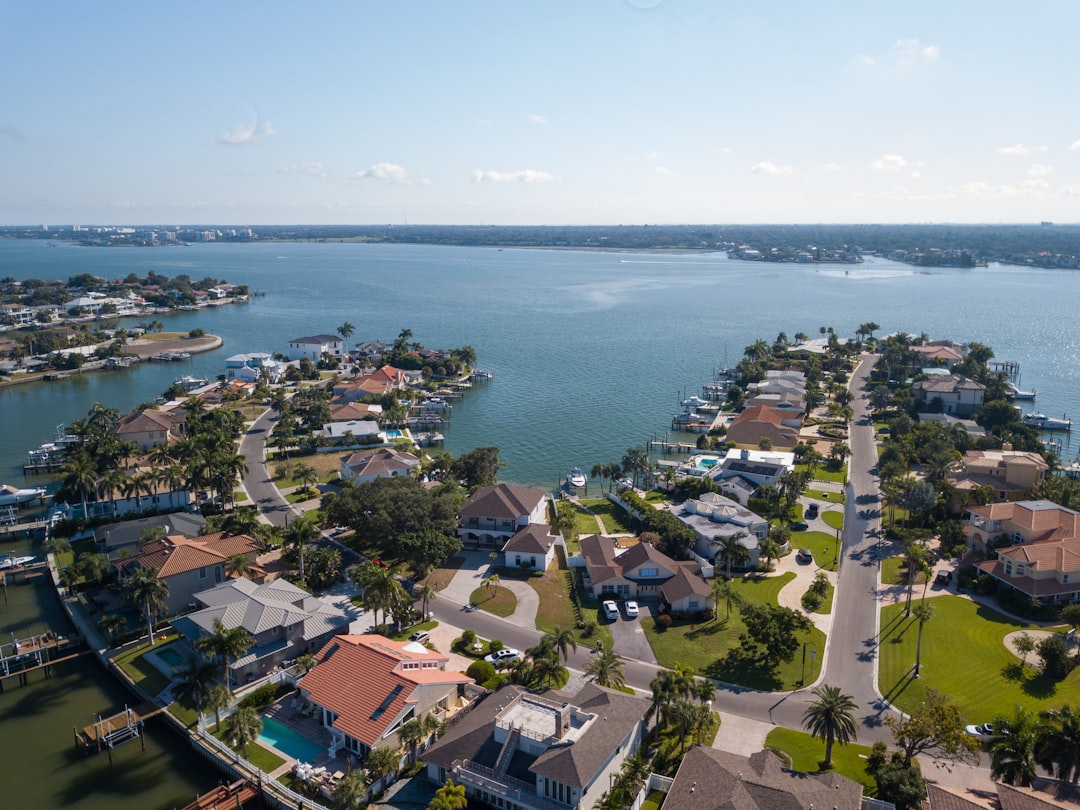
Compact island layout means every run includes waterfront scenery. 5-mile perimeter loop with consistent surface and regular distance markers. Homes start around $750K, but the training access is unmatched.
Insider detail: The island's internal roads create perfect interval training circuits. The airport runway perimeter (yes, you can run there) adds flat, uninterrupted mileage options.
Safety Harbor
Pinellas Trail access plus charming downtown core for post-run refueling. Home prices range $425K-$650K, with many properties featuring large lots suitable for home gym setup.
The waterfront Waterfront Park offers a 2-mile bayside loop that connects to the main Pinellas Trail system.
Training Year-Round: Weather Reality
Florida running means adaptation, not avoidance. Here's the seasonal breakdown that affects every training plan:
Winter (December-February)
Perfect running weather. Temperatures 45-75°F, minimal humidity, consistent conditions. This is Boston Marathon training season, long run season, and PR attempt season.
Spring (March-May)
Transition period. March can deliver ideal racing conditions or summer previews depending on the year. April typically brings the first 80-degree weeks. May means humidity starts climbing.
Summer (June-September)
Survival mode. Daily highs 85-95°F with 70%+ humidity by 7 AM. Successful summer training requires pre-dawn starts, hydration strategy, and accepting that pace will suffer.
Pro tip: The hardcore Tampa Bay runners embrace summer training. When October arrives and conditions improve, they're ready to drop serious time.
Fall (October-November)
Racing season returns. October can still be brutal, but November typically delivers consistent 60-80°F mornings with manageable humidity.
Fitness Beyond Running
Tampa Bay's fitness infrastructure extends well beyond running trails. The region supports year-round outdoor training across multiple disciplines.
Cycling Integration
Most major trails accommodate cyclists, and the road cycling scene is robust. Bayshore Boulevard features designated bike lanes, and weekend group rides regularly draw 50+ participants.
Popular cycling routes:
- Bayshore to Davis Islands loop (15 miles)
- Pinellas Trail centuries (60+ miles possible)
- Countryside connections in north Pinellas County (20-40 mile options)
Open Water Swimming
The Gulf of Mexico, Tampa Bay, and numerous lakes provide year-round swimming opportunities. St. Petersburg beaches offer consistent conditions for open water training.
Swim locations:
- Gandy Beach: Protected bay swimming with distance markers
- Safety Harbor Resort Beach: Calm water, lifeguard presence during peak season
- Davis Islands Dog Beach: Open water access without Gulf waves
CrossFit and Strength Training
The region hosts 30+ CrossFit affiliates and numerous independent strength training facilities. Many runners supplement their mileage with structured strength programs, especially during summer months when running volume necessarily decreases.
Real Estate Considerations
When runner clients ask about Tampa Bay properties, certain factors consistently matter more than typical buyer priorities:
Garage Requirements
Florida weather demands indoor storage for running gear, bikes, and seasonal equipment. Single-car garages don't cut it for serious athletes. Two-car minimum, three-car preferred.
Home Gym Space
Bonus rooms, converted garages, or dedicated workout spaces add significant value for fitness-focused buyers. A 12x12 room with proper flooring can accommodate everything from treadmills to power racks.
Trail Access vs. Commute Time
I regularly see clients prioritize trail proximity over work commute convenience. A 10-minute drive to quality running infrastructure often trumps a 10-minute shorter work commute.
HOA Amenities
Communities with fitness centers, pools, and walking trails command premium prices among active buyers. Westchase, Carrollwood, and newer developments consistently feature these amenities.
Moving to Tampa Bay? Barrett Henry has been helping families relocate for over 23 years. Straight talk, smart strategy, no pressure.
Contact Barrett → | (813) 733-7907
Training Resources and Gear
Local Running Stores
Fleet Feet Sports (South Tampa and Seminole locations) - Full gait analysis, group training programs, and staff who actually run the local trails. They understand Florida-specific gear needs.
Road Runner Sports (multiple locations) - Extensive selection and VIP membership programs that make sense for high-mileage runners.
Climate-Specific Gear Needs
Florida running requires gear adaptation. Standard winter running clothes become dangerous in summer humidity. Here's what actually works:
Summer essentials:
- Moisture-wicking technical fabrics exclusively
- Wide-brimmed caps for sun protection
- Hydration belts or handhelds for runs over 3 miles
- Reflective gear for pre-dawn safety
Year-round needs:
- Multiple pairs of running shoes (humidity prevents overnight drying)
- Sunglasses rated for UV protection
- Body Glide or similar anti-chafing products
Hydration Strategy
Tampa Bay's water fountains are reliable along major trails, but summer training requires supplemental hydration planning. Many experienced locals cache water bottles along longer routes or use drop-off support systems.
Reliable water sources:
- Bayshore Boulevard: every 0.5 miles
- Upper Tampa Bay Trail: Trailheads and major road crossings
- Pinellas Trail: Most downtown areas and parks
Getting Connected
The Tampa Bay running community welcomes newcomers but rewards consistency. Show up to group runs, volunteer at races, and participate in the social aspects that extend beyond just logging miles.
Social Media Groups
Tampa Bay Runners Facebook Group - 8,000+ members sharing routes, organizing meetups, and providing local insights.
Bayshore Boulevard Runners - Focused specifically on the signature Tampa route with real-time updates on conditions, events, and safety issues.
Volunteer Opportunities
Race volunteering provides insider knowledge of event organization and connects you with serious local runners. The Gasparilla Distance Classic alone needs 2,000+ volunteers annually.
Tampa Bay delivers legitimate running infrastructure, year-round training opportunities, and a community that takes fitness seriously. The trails work, the races matter, and the neighborhoods support active lifestyles.
Whether you're chasing Boston qualifying times or just want reliable places to log daily miles, this region provides the foundation for consistent training success. The question isn't whether Tampa Bay works for runners — it's whether you're ready to take advantage of what's available.
Frequently Asked Questions
Is it really possible to train for a Boston Marathon in Tampa Bay's heat?
Absolutely. Winter months (December-March) provide ideal marathon training conditions with temperatures in the 45-75°F range. Many local runners successfully BQ using summer base-building and fall-to-spring race prep cycles.
How early do I need to start summer runs to avoid the heat?
By June, 6 AM starts are already warm. Serious summer training typically begins by 5:30 AM, with many hardcore runners starting at 5 AM or earlier for long runs.
Are the trails safe for solo running, especially early morning?
Major trails like Bayshore Boulevard and the Upper Tampa Bay Trail see consistent early morning traffic and are generally safe. Always follow standard safety protocols: tell someone your route, carry ID, and trust your instincts about unfamiliar areas.
What's the best neighborhood for daily running access?
South Tampa offers the most variety with Bayshore Boulevard, Hyde Park streets, and neighborhood loops all within a few miles. Davis Islands provides the most scenic daily options but with less route variety.
How much does it cost to participate in the local racing scene?
Registration fees range from $25-35 for local 5Ks to $120-150 for marathons like Gasparilla. Annual racing budgets of $300-600 are typical for active participants in the local scene.
Do I need a car to access the best running routes?
Yes, realistically. While some neighborhoods offer great local running, accessing the variety of trails and training environments requires driving to different starting points.
How does the running community handle hurricane season disruptions?
The local running community is well-adapted to weather disruptions. Groups maintain indoor alternatives, and race calendars account for potential weather impacts during peak hurricane months (August-October).
What's the difference in home prices between runner-friendly and typical neighborhoods?
Properties with premium trail access or running amenities typically command 5-15% premiums over comparable homes without these features. The difference is most pronounced in established neighborhoods like South Tampa and Davis Islands.
Moving to Tampa Bay? Get a Local Expert.
Barrett Henry is a Broker Associate with REMAX Collective and over 23 years of real estate experience. Straight talk, smart strategy, no pressure.
Need Help Setting Up Your New Home?
Best Bay Services handles handyman work, home repairs, and maintenance for your new Tampa Bay home. Local, licensed, and trusted.
Questions & Answers
Have a question about this topic? Ask below and the community will help.
Sign in to ask or answer questions