Published March 23, 2026
Moving to Tampa Bay with Pets — What You Need to Know
Tampa Bay is one of the most pet-friendly metros in the country, and that's not marketing fluff — it's the natural result of year-round warm weather, abundant outdoor space, and a culture that genuinely welcomes animals. You'll find dog-friendly patios at most restaurants, multiple off-leash dog beaches, and neighborhoods where evening dog walks are the primary social activity. But Florida also presents specific dangers for pets that northerners won't expect: year-round heartworm risk, poisonous toads, alligators near water, and heat that can burn paw pads on asphalt. This guide covers all of it.
Where Are the Best Dog Beaches in Tampa Bay?
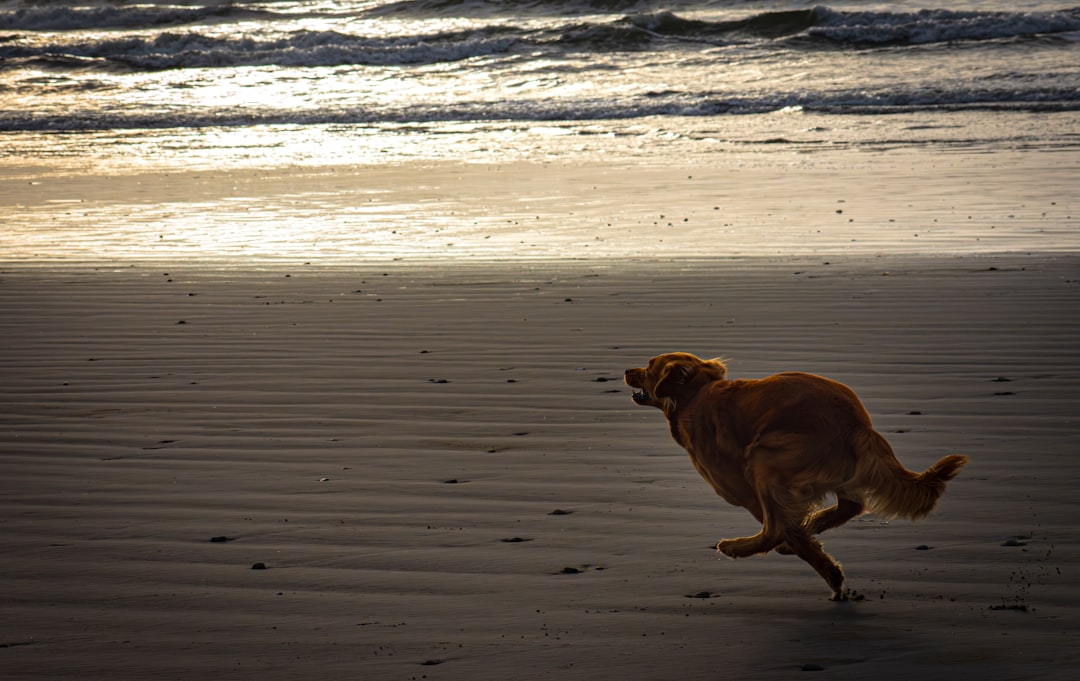
Tampa Bay has some of the best dog beaches in the Southeast, and they're a major quality-of-life feature for dog owners. Here are the ones worth knowing about.
Fort De Soto Dog Beach
The crown jewel. Located at the southern tip of Pinellas County at Fort De Soto Park, the designated dog beach (Paw Playground) offers a large fenced beach area with both a water section and a dry sand area. The water is calm, shallow, and clear — perfect for dogs who love to swim. There's a rinse station, and the beach is well-maintained.
The catch: It's a 25-35 minute drive from most Tampa Bay locations, and the park charges a $5 per vehicle fee. On weekends, the line to enter the park can back up along the Bayway. Go on a weekday morning for the best experience.
Davis Islands Dog Beach
Tampa's most popular urban dog beach, located at the southern tip of Davis Islands. It's unfenced and off-leash, with sandy beach and calm bay water. The regular crowd is friendly and the sunset views are outstanding. Parking is limited on weekends — get there early or plan on a short walk.
Honeymoon Island Dog Beach
Located in Dunedin at Honeymoon Island State Park, the dog-friendly section is on the south end of the island. It's a beautiful natural setting with Gulf water (slightly rougher than the bay beaches). Dogs must be leashed in the rest of the park but can be off-leash at the designated pet beach. State park entry fee applies ($8 per vehicle).
Picnic Island Dog Beach
The locals' secret. Located at the end of Picnic Island Trail in west Tampa. Less crowded than Davis Islands, with a real beach, shallow water, and wooded trails. The mangrove-lined paths offer shade that most dog beaches lack.
For the full breakdown with ratings and tips, check our best dog parks guide.
What Pet-Specific Dangers Should I Know About in Florida?
This is the section that could save your pet's life. Florida has several hazards that don't exist in most northern states.
Year-Round Heartworm
In northern states, heartworm is seasonal because mosquitoes die off in winter. In Florida, mosquitoes are active 12 months a year, which means heartworm risk never stops. Your pet needs to be on heartworm prevention year-round — no exceptions, no skipping winter months. Every Florida vet will emphasize this.
If your pet hasn't been on year-round prevention, get a heartworm test immediately after moving. Treatment for active heartworm infection is expensive ($1,000-$3,000) and hard on the animal.
Bufo Toads (Cane Toads)
This is the one that catches new Florida pet owners off guard. Bufo toads (cane toads) are large, brown, warty toads that secrete a potent toxin from glands behind their eyes. If your dog mouths or bites a bufo toad — which dogs absolutely will try to do — the toxin can cause drooling, vomiting, seizures, and death within 15-30 minutes.
What to do: If your dog grabs a bufo toad, immediately wipe the gums with a wet cloth (wipe outward, not into the throat) and rinse the mouth with a hose for 10 minutes. Get to an emergency vet immediately. Bufo toads are most active at dawn and dusk during rainy season (June-October). Always supervise your dog in the yard during these times. Check around exterior walls and near porch lights where toads congregate to eat insects.
Alligators
Any body of freshwater in Florida — ponds, lakes, canals, retention ponds in your neighborhood — can contain an alligator. Never let your dog swim in freshwater ponds or lakes unsupervised, and keep them on a leash near the water's edge. Small to medium dogs are at genuine risk near fresh water. The dog beaches on the bay and Gulf are safe from gators.
Heat and Pavement
Florida summer asphalt can reach 140-150 degrees Fahrenheit. If you can't hold your palm on the pavement for 5 seconds, it's too hot for paw pads. Walk your dog early morning (before 9 AM) or evening (after 6 PM) from May through October. Heatstroke is a real risk for dogs here — brachycephalic breeds (bulldogs, pugs, boxers) are especially vulnerable.
Toxic Plants
Florida landscaping includes several plants toxic to pets: sago palms (extremely toxic, can be fatal), oleander, and certain lilies. If you're buying a home, inventory the landscaping for pet hazards.
Are Tampa Bay Rentals Pet-Friendly?
The rental market in Tampa Bay has become more pet-friendly over the past decade, but it's still a challenge — especially for large dogs or certain breeds. Here's the current landscape.
Apartments and large complexes are generally the most pet-friendly because corporate management companies have standardized pet policies. Most allow dogs up to 50-75 pounds with a pet deposit ($200-$500) and monthly pet rent ($25-$75 per pet). Many cap at 2 pets.
Individual landlords and smaller properties are hit or miss. Some are very pet-friendly; others won't budge. The key is being upfront about your pets, providing references from previous landlords, and offering a larger deposit.
HOA communities are where it gets complicated. Many HOAs have breed restrictions that ban or restrict:
- Pit bulls and pit bull mixes (the most common restriction)
- Rottweilers
- Doberman Pinschers
- German Shepherds
- Chow Chows
- Akitas
These restrictions vary by community. Some enforce them strictly; others barely acknowledge them. Always request the HOA documents and read the pet section before signing a lease or making a purchase. I can pull HOA docs for any community you're considering — reach out directly and I'll get them for you.
Weight limits are common in condos — many cap at 25-35 pounds, which eliminates most medium and large breeds.
How Does Pet Licensing Work in Tampa Bay?
Florida pet licensing requirements vary by county, and it's one of those things most people forget about during a move.
Hillsborough County: Dogs and cats must be licensed through Hillsborough County Pet Resources. Fees range from $10 (altered) to $25 (unaltered) annually. Rabies vaccination is required. You can register online or at Pet Resources locations.
Pinellas County: Pinellas County Animal Services handles licensing. Similar fee structure: $10 altered, $25 unaltered. Rabies vaccination required.
Pasco County: Pasco County Animal Services administers pet licenses. Fees are comparable to surrounding counties.
The rabies vaccination reality: Florida law requires all dogs, cats, and ferrets to have current rabies vaccinations. Your pet's existing rabies certificate from your previous state is valid — you don't need to re-vaccinate upon arrival. Just bring the certificate to your new Florida vet.
What Areas Have the Best Vet Access?
Tampa Bay has excellent veterinary care across the metro, but if emergency vet access is important to you (and it should be, especially with the bufo toad risk), here's what to know.
24-Hour Emergency Vets:
- BluePearl Pet Hospital has multiple Tampa Bay locations — South Tampa, Brandon, Clearwater, and St. Petersburg. They're the dominant emergency/specialty network in the area.
- SEAVS (Southeast Veterinary Emergency and Specialty) in Largo is highly regarded.
- Tampa Veterinary Hospital on Himes Avenue offers 24/7 emergency care.
Area clusters with high vet density:
- South Tampa along Dale Mabry Highway and Gandy Boulevard has a heavy concentration of veterinary practices
- Brandon/Valrico along SR 60 (Brandon Boulevard) has excellent vet options
- St. Petersburg along 4th Street N and Central Avenue
- Clearwater/Palm Harbor along US 19 and McMullen Booth Road
When choosing a home, consider your proximity to a 24-hour emergency vet. In a bufo toad or snakebite emergency, 15 minutes can make the difference.
What About Flying to Florida with Pets?
If you're flying into Tampa International Airport (TPA) with pets, here's the practical info.
In-cabin: Most airlines allow small pets (under 20 pounds in carrier) in-cabin for a $95-$150 fee each way. Book early — airlines limit the number of in-cabin pets per flight.
Cargo: Larger dogs fly as checked baggage or cargo. Be extremely cautious about flying pets as cargo during summer months (May-September). Airlines impose heat embargoes when temperatures exceed 85°F at departure or arrival airports, and Tampa regularly exceeds that threshold for months. If you're moving in summer with a large dog, driving is often the safer choice.
Ground transport alternatives: Pet shipping services like CitizenShipper and uShip connect you with ground transporters who drive your pet to Florida. Expect $500-$1,500 depending on distance. This is the safest option for large dogs during summer months.
Are There Breed-Specific Laws in Tampa Bay?
Florida state law actually prohibits local governments from enacting breed-specific legislation (BSL) — meaning cities and counties cannot ban specific breeds. However, this protection does not extend to HOAs, condo associations, or landlords, who can and do restrict breeds in their communities.
The practical effect: you can legally own any breed in Tampa Bay, but finding housing with a restricted breed (particularly pit bull mixes) requires more work. Homeownership obviously eliminates the landlord issue, but HOA restrictions still apply.
Homeowners insurance complication: Some insurance carriers refuse to cover homes with certain breeds or charge higher premiums. State Farm is notably breed-neutral. Others maintain restricted breed lists. Ask your insurance agent about breed policies before you commit to a property.
Frequently Asked Questions
Are there dog-friendly restaurants in Tampa Bay?
Hundreds. Florida law allows dogs on outdoor patios at restaurants. Most Tampa Bay restaurants with outdoor seating are dog-friendly by default. The SoHo (South Howard) and Hyde Park areas of Tampa, downtown St. Pete, and Dunedin's Main Street are particularly dog-patio-dense.
Can my dog swim in Tampa Bay?
Yes, the bay and Gulf beaches are generally safe for dogs. Avoid freshwater ponds and lakes due to alligator risk. After swimming in saltwater, rinse your dog off — salt water can irritate skin with repeated exposure. Watch for red tide advisories, which can cause respiratory irritation in pets.
How much does pet rent cost in Tampa Bay?
Most apartment complexes charge $25-$75 per pet per month in addition to a one-time pet deposit of $200-$500. Some properties charge non-refundable pet fees instead of deposits. Budget $50-$100/month total for pet-related housing costs above your base rent.
Is Tampa Bay a good place for cats?
Tampa Bay is fine for indoor cats. Outdoor cats face significant risks here: traffic, coyotes (yes, Tampa Bay has them), hawks, and exposure to FIV from the feral cat population. Most vets in the area recommend keeping cats indoors.
Do I need to worry about snakes and my pets?
Snakes are a minor risk. The pygmy rattlesnake is the most common venomous species in Tampa Bay yards, and while a bite can harm a pet, fatalities are rare with prompt veterinary treatment. Keep your yard trimmed and free of debris piles where snakes shelter. Bufo toads are a far bigger concern than snakes.
What's the best neighborhood for dog owners?
FishHawk Ranch in Lithia has extensive trails, dog parks, and a pet-friendly community culture. Westchase and Carrollwood in northwest Hillsborough are also excellent. In Pinellas, Dunedin and Gulfport stand out for walkability and pet-friendly businesses. Any neighborhood with sidewalks, green space, and proximity to a dog park will serve you well.
Moving to Tampa Bay? Get a Local Expert.
Barrett Henry has been helping families relocate to Tampa Bay for over 23 years. Straight talk, smart strategy, no pressure.
Need Help Setting Up Your New Home?
Best Bay Services handles everything from TV mounting to full remodels. Local, licensed, and trusted across Tampa Bay.