Published May 22, 2024
Looking at Tampa Bay versus Atlanta for your next move? I've been helping families make this exact decision for over two decades, and honestly, both cities have changed dramatically since the early 2000s. Let me break down what you're really getting into with each metro area.
The Big Picture: Two Very Different Growth Stories
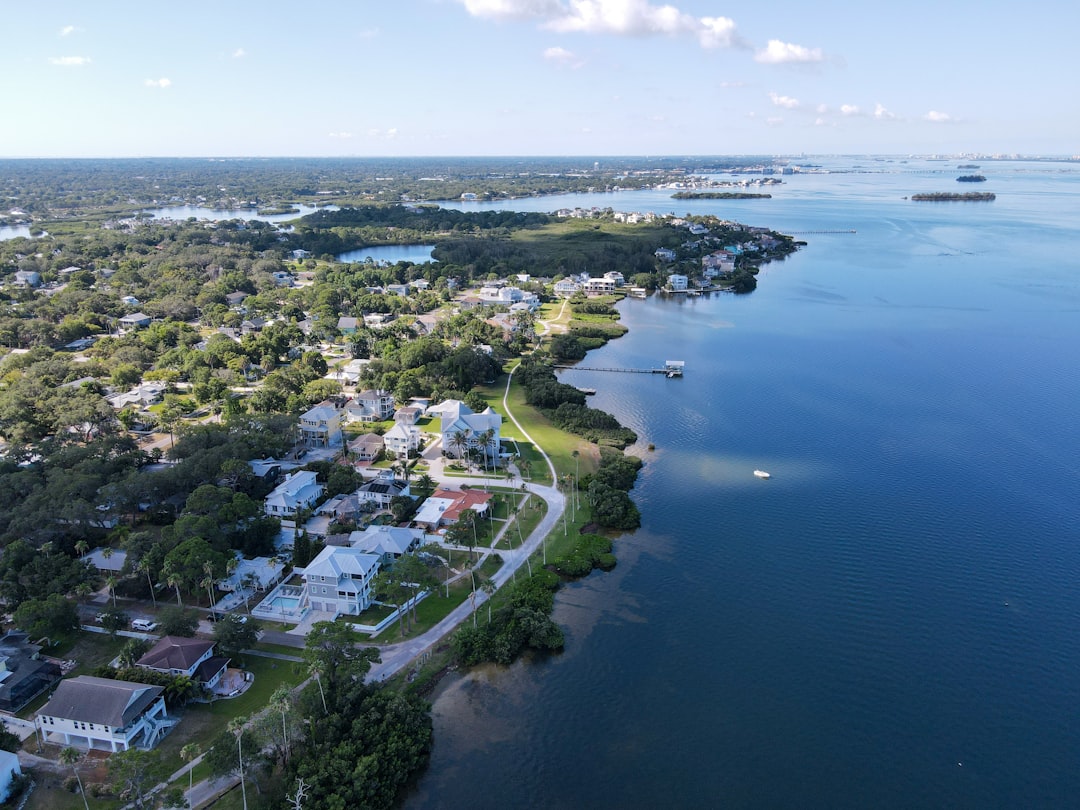
Tampa Bay and Atlanta represent completely different approaches to metropolitan growth. Atlanta sprawls across five core counties with over 6 million people, while Tampa Bay concentrates around 3.2 million across four main counties. Atlanta built its identity as the "Capital of the New South" — a business hub that sacrificed charm for commerce. Tampa Bay? We built ours around water, weather, and a more laid-back lifestyle.
But here's what's changed: both metros are dealing with explosive population growth, traffic nightmares, and housing costs that would make your 2019 self weep. The question isn't which city is "better" — it's which trade-offs you can live with.
Cost of Living Reality Check
Housing: Where Your Money Goes to Die
Let's talk numbers. In Tampa Bay's desirable areas like South Tampa, you're looking at $450,000-$650,000 for a decent 3/2 single-family home. Head out to places like Brandon or Riverview, and you might find something in the $350,000-$450,000 range.
Atlanta's housing market is more complex. Inside the Perimeter (I-285), you're paying $500,000-$800,000 for comparable homes in neighborhoods like Decatur or Virginia-Highland. But here's Atlanta's advantage: drive 45 minutes out to places like Alpharetta or Johns Creek, and you can still find quality new construction in the $400,000-$550,000 range.
Winner: Atlanta, but barely. The commute trade-off is brutal.
Taxes: The Hidden Costs
Florida's no state income tax is real money back in your pocket. On a $100,000 salary, you're keeping about $5,700 more per year compared to Georgia's 5.75% state income tax. But Georgia's property tax rates are generally lower — around 0.9% effective rate versus Florida's 1.0-1.2%.
Winner: Tampa Bay, especially for higher earners.
Everything Else
Groceries, utilities, and dining are roughly comparable, though Atlanta's restaurant scene offers more variety at different price points. Gas is typically 10-15 cents cheaper in Georgia.
Moving to Tampa Bay? Barrett Henry has been helping families relocate for over 23 years. Straight talk, smart strategy, no pressure.
Contact Barrett → | (813) 733-7907
Job Market: Opportunities and Realities
Tampa Bay's Evolving Economy
Tampa Bay isn't just tourism and retirees anymore. We've got major players like Raymond James, Tech Data (now TD SYNNEX), and Jabil. The medical corridor around Westshore is booming with Tampa General Hospital and Moffitt Cancer Center leading research initiatives.
Average salaries for professionals typically range $65,000-$95,000, with tech and finance pushing higher. The problem? Not enough high-paying corporate headquarters compared to Atlanta.
Atlanta's Corporate Powerhouse
Atlanta hosts 18 Fortune 500 companies including Coca-Cola, Home Depot, Delta Airlines, and UPS. The professional opportunities are simply deeper here, with average salaries typically 10-15% higher than Tampa Bay. If you're in corporate finance, logistics, or technology, Atlanta's job market is more robust.
The trade-off? Competition is fiercer, and that corporate culture can feel suffocating if you're used to Tampa Bay's more relaxed business environment.
Winner: Atlanta for career growth, Tampa Bay for work-life balance.
Traffic and Transportation: Choose Your Poison
Tampa Bay's Growing Pains
Our traffic isn't Atlanta-bad, but it's getting ugly fast. I-275 through downtown Tampa is a parking lot during rush hour, and don't get me started on the Howard Frankland Bridge. The Selmon Expressway helps, but you'll pay tolls.
Public transit? HART buses exist, but they're not reliable enough for daily commuting. The streetcar downtown is more tourist attraction than transportation.
Atlanta's Legendary Congestion
Atlanta traffic is nationally notorious for good reason. I-285 (the Perimeter) can turn a 20-minute trip into 90 minutes. But here's Atlanta's saving grace: MARTA actually works. The rail system connects major employment centers, airports, and residential areas reasonably well.
If you're comparing apples to apples — suburban home to downtown job — Atlanta's public transit options give you alternatives that Tampa Bay simply doesn't have.
Winner: Neither, but Atlanta's MARTA gives it a slight edge.
Weather: The Florida Factor
Tampa Bay's Year-Round Appeal
Our weather is why people move here. Average temperatures range from the mid-70s in winter to the low 90s in summer. Hurricane season (June-November) is real, but modern building codes and preparation systems make it manageable.
The humidity is intense June through September — think walking through soup. But December through April? Absolutely perfect.
Atlanta's Four Seasons
Atlanta gets actual seasons, which some people crave after years in Florida. Summers are hot and humid (though not quite Tampa-level), winters occasionally see snow, and spring/fall are genuinely pleasant.
The downside? Ice storms can paralyze the city, and summer humidity rivals Florida's without the ocean breeze.
Winner: Tampa Bay, unless you genuinely miss seasons.
Lifestyle and Recreation
Tampa Bay's Water-Centric Living
Living here means water is part of your lifestyle, not just something you visit. Clearwater Beach, St. Pete Beach, and dozens of smaller beaches are within 30 minutes of most neighborhoods. Boating, fishing, and water sports aren't hobbies — they're Tuesday afternoon activities.
The food scene has exploded. Bern's Steak House remains legendary, but newer spots like Oystercatchers in the Grand Hyatt or anything in St. Pete's Edge District rival major food cities.
Atlanta's Cultural Depth
Atlanta offers cultural amenities Tampa Bay can't match. The High Museum, Fox Theatre, and Alliance Theatre provide world-class arts. Professional sports include the Braves, Falcons, Hawks, and Atlanta United FC.
The food scene is incredible — from high-end spots like Staplehouse to authentic international cuisine in places like Buford Highway. And the music history? From the Tabernacle to the variety of venues, Atlanta's music scene is legendary.
Winner: Tampa Bay for outdoor lifestyle, Atlanta for cultural variety.
Education: Schools and Universities
K-12 Education Comparison
Hillsborough County schools get mixed reviews, with some excellent schools like Plant High School and King High School, but overall district ratings around 6-7/10. Pinellas County tends to perform slightly better.
Atlanta's school situation is complicated. Atlanta Public Schools struggled with scandals but are improving. However, suburban districts like Fulton County and Gwinnett County include some of the state's top-rated schools.
Higher Education
University of South Florida in Tampa is growing its research reputation rapidly. But Atlanta wins handily here with Georgia Tech, Emory University, and Georgia State University providing world-class options.
Winner: Atlanta, especially for higher education.
Neighborhoods: Where You'll Actually Live
Tampa Bay's Best Areas
Westchase/Town 'n' Country: Established suburbs with good schools and reasonable commutes. Homes run $350,000-$500,000.
South Tampa: The peninsula including Hyde Park and Bayshore. Walkable, upscale, expensive. $500,000-$1M+.
Downtown St. Petersburg: Rapidly gentrifying with amazing restaurants and cultural venues. Condos $300,000-$600,000.
Carrollwood/Northdale: Family-friendly suburbs with mature trees and solid schools. $300,000-$450,000.
Atlanta's Diverse Options
Buckhead: Upscale urban living with high-rise condos and luxury shopping. $400,000-$2M+.
Virginia-Highland/Inman Park: Historic neighborhoods with walkable charm. $500,000-$800,000.
Alpharetta/Johns Creek: Newer suburbs with excellent schools and corporate proximity. $400,000-$700,000.
Decatur: Hip, walkable suburb with great restaurants and MARTA access. $450,000-$650,000.
Moving to Tampa Bay? Barrett Henry has been helping families relocate for over 23 years. Straight talk, smart strategy, no pressure.
Contact Barrett → | [(813) 733-7907)(tel:8137337907)
The Cons Nobody Talks About
Tampa Bay's Downsides
Limited Cultural Amenities: We're getting better, but we're not Atlanta. Professional sports are limited to the Rays, Bucs, and Lightning.
Hurricane Risk: It's real, and insurance costs reflect it. Expect $2,000-$4,000+ annually for homeowner's insurance.
Summer Intensity: June through September is genuinely oppressive. The heat and humidity can confine you indoors for months.
Limited Public Transit: You need a car. Period.
Atlanta's Problems
Traffic Congestion: It's not just bad — it's life-altering. Factor commute time into every decision.
Air Quality: Smog is a real issue, especially in summer.
Income Inequality: The wealth gap is stark and visible throughout the metro.
Sprawl: The metropolitan area is enormous, making it difficult to establish community connections.
Making the Decision: Key Questions
Do you prioritize career advancement over lifestyle? Choose Atlanta.
Is year-round outdoor activity important to you? Choose Tampa Bay.
Do you need robust public transportation? Choose Atlanta.
Is avoiding state income tax worth sacrificing some amenities? Choose Tampa Bay.
Do you want access to major cultural institutions? Choose Atlanta.
Is being near water important to your daily happiness? Choose Tampa Bay.
The Bottom Line
After 23+ years helping families relocate, here's my honest assessment: Tampa Bay is better for people who want to prioritize lifestyle, weather, and work-life balance. Atlanta is better for people who prioritize career advancement, cultural amenities, and don't mind sacrificing some lifestyle factors for professional opportunities.
Both cities are growing rapidly, which means both are becoming more expensive and crowded. The Tampa Bay you move to in 2024 won't be the same place in 2030 — and neither will Atlanta.
Your decision should be based on what you value most right now, not what either city was like five years ago or might become in the future.
If you're leaning toward Tampa Bay, focus your search on Hillsborough County for job proximity or Pinellas County for beaches and walkability. Both offer distinct advantages depending on your priorities.
The grass always looks greener somewhere else, but sometimes it actually is. Choose based on your real priorities, not Instagram-worthy moments or what looks good on paper.
Frequently Asked Questions
Is Tampa Bay or Atlanta more expensive overall?
Tampa Bay has lower overall living costs due to no state income tax, but housing prices are comparable. Atlanta offers more housing variety at different price points, but Georgia's state income tax and higher overall tax burden typically make it 5-8% more expensive for middle-income families.
Which city has better job opportunities?
Atlanta has significantly more Fortune 500 companies and corporate headquarters, offering better advancement opportunities and typically 10-15% higher salaries. Tampa Bay's job market is growing rapidly, especially in healthcare and finance, but lacks Atlanta's depth of high-level corporate positions.
How do the schools compare between Tampa Bay and Atlanta?
Atlanta's suburban school districts like Fulton and Gwinnett County consistently outrank most Tampa Bay schools. However, both metros have excellent private school options and pockets of high-performing public schools. Research specific neighborhoods rather than making metro-wide comparisons.
Is the weather really that much better in Tampa Bay?
Yes, if you prefer consistent warmth and don't mind humidity. Tampa Bay averages 246 sunny days per year versus Atlanta's 217. However, Tampa Bay's summer humidity is intense, and hurricane season is a real consideration. Atlanta's seasonal variation appeals to people who miss traditional four seasons.
Which city is better for retirees?
Tampa Bay wins decisively for retirees due to no state income tax on retirement income, better weather, extensive healthcare facilities, and water-based recreational activities. Atlanta offers more cultural amenities but higher overall costs and less favorable tax treatment for retirees.
How bad is the traffic in each city?
Both have significant traffic issues, but Atlanta's is nationally notorious. Tampa Bay's rush hour typically adds 15-30 minutes to commutes, while Atlanta's can double or triple travel times. Atlanta's MARTA system provides alternatives that Tampa Bay lacks, but requires living near transit lines.
Which city has better beaches and outdoor recreation?
Tampa Bay is unmatched for water activities with Gulf beaches 20-45 minutes from most neighborhoods. Atlanta offers mountains, lakes, and hiking within driving distance, plus more seasonal outdoor activities. Choose Tampa Bay for water sports, Atlanta for mountain and trail activities.
Are hurricanes a major concern in Tampa Bay?
Hurricanes are a reality but manageable with proper preparation and insurance. Tampa Bay hasn't taken a direct hit from a major hurricane since 1921, though nearby strikes like Hurricane Ian in 2022 caused significant damage. Modern building codes and evacuation procedures make the risk acceptable for most residents, but factor hurricane insurance costs ($2,000-$4,000+ annually) into your budget.
Moving to Tampa Bay? Get a Local Expert.
Barrett Henry is a Broker Associate with REMAX Collective and over 23 years of real estate experience. Straight talk, smart strategy, no pressure.
Need Help Setting Up Your New Home?
Best Bay Services handles handyman work, home repairs, and maintenance for your new Tampa Bay home. Local, licensed, and trusted.
Questions & Answers
Have a question about this topic? Ask below and the community will help.
Sign in to ask or answer questions