Published March 23, 2026
Working Remotely from Tampa Bay — Why It Works
Tampa Bay has become one of the top destinations for remote workers leaving expensive metros, and the math is straightforward: Eastern Time zone (no awkward scheduling with NYC, DC, or Atlanta clients), reliable high-speed internet across most of the metro, cost of living 15-30% below comparable coastal cities, and a lifestyle that puts the beach 20-40 minutes from your home office. Remote workers who move here consistently say the same thing — their quality of life jumped while their expenses dropped. After 23 years here and watching the remote work migration firsthand, I can confirm the hype is largely justified. But there are things to know before you make the leap.
How Good Is the Internet in Tampa Bay for Remote Work?
Internet quality is the make-or-break factor for remote workers, and Tampa Bay delivers for most areas — with some important exceptions.
The Good News
The majority of Tampa Bay has access to cable internet (Spectrum) delivering 300 Mbps to 1 Gbps download speeds. That's more than sufficient for video calls, screen sharing, large file transfers, and running multiple devices simultaneously. Fiber internet (Frontier Fiber, AT&T Fiber) is expanding rapidly, offering symmetrical speeds up to 2 Gbps — the upload speed is what matters for video calls, and fiber's symmetrical speeds are a significant advantage over cable.
Speeds by Area
Best internet areas (multiple provider options, fiber available):
- South Tampa, Seminole Heights, Tampa Heights, Westshore — Spectrum + Frontier Fiber in many areas
- Downtown St. Pete, Old Northeast, Shore Acres — Spectrum + Frontier Fiber expanding
- Brandon, Riverview (newer subdivisions) — Spectrum standard, fiber rolling out
Solid internet areas (reliable cable):
- Carrollwood, Citrus Park, Westchase — Spectrum reliable, 300+ Mbps
- Largo, Clearwater, Palm Harbor — Spectrum or Bright House/Spectrum legacy
- Wesley Chapel, Land O'Lakes — Spectrum in most developments
Watch-out areas (limited options):
- Rural eastern Hillsborough (east of I-75, Thonotosassa, Dover) — options thin out fast
- Eastern Pasco (Dade City, Zephyrhills outskirts) — DSL or fixed wireless may be your only options
- Older parts of western Pasco (Holiday, Hudson) — infrastructure isn't always updated
Critical step: Before committing to a home, check exact internet availability at that address. Not the neighborhood — the address. Go to Spectrum.com, Frontier.com, and ATT.com and run the address check. I've seen situations where one side of a street has fiber and the other doesn't.
For the full provider breakdown, see our utilities setup guide.
Backup Internet
Every serious remote worker in Florida should have a backup internet plan. Summer thunderstorms can knock out cable service, and hurricane season creates multi-day outage risk. Options:
- Mobile hotspot from your cell carrier (most reliable short-term backup)
- T-Mobile or Verizon Home Internet as a secondary connection ($50-$60/month)
- Starlink if you're in a rural area with limited wired options
- Coworking space membership as a physical backup location
Where Are the Best Coworking Spaces?
Tampa Bay's coworking scene has matured significantly. Whether you need a dedicated desk, a private office, or just a reliable place to work when your home office feels like a cage, there are solid options across the metro.
Tampa
Industrious Tampa (downtown, Water Street): Premium coworking in Tampa's newest urban district. Clean, quiet, professional environment. Private offices and dedicated desks. Day passes available. Close to restaurants and the Riverwalk.
Roam Dungeon (Ybor City): A distinctive coworking space in the historic Ybor district. More creative/startup energy than corporate. Good for freelancers and small teams. The Ybor location adds character that generic coworking spaces lack.
Tampa Bay Wave (downtown Tampa): Focused on tech startups and entrepreneurs. If you're in tech, the networking value here goes beyond just desk space.
Station House (St. Pete — see below — but worth mentioning the Tampa presence is growing)
St. Petersburg
Station House (downtown St. Pete, Central Avenue): The anchor coworking space of downtown St. Pete. Beautiful historic building, excellent community vibe, walking distance to everything downtown. Hot desks, dedicated desks, private offices. This is where the St. Pete remote worker community gravitates.
The Hive (downtown St. Pete): Smaller, more boutique coworking option. Good for people who want a quieter, less bustling environment.
Novel Coworking (downtown St. Pete): Part of a national chain, professional atmosphere, good for remote workers who need reliable meeting rooms and corporate amenities.
Clearwater and Beyond
Regus/Spaces (multiple locations across Tampa Bay): The national chain has locations in Clearwater, Westshore, Carrollwood, and Brandon. Generic but reliable. Good for people who need a professional meeting room occasionally.
The Hatchery (New Port Richey/Trinity area): Serves the Pasco County remote worker crowd, which is growing rapidly with Wesley Chapel's population boom.
Cost Comparison
| Type | Monthly Cost |
|---|---|
| Hot desk (shared space, any available seat) | $150-$250 |
| Dedicated desk (your own permanent desk) | $250-$450 |
| Private office (small, 1-2 person) | $500-$900 |
| Day pass | $25-$50 |
Most spaces offer a few free day passes or a trial week. Take advantage of that before committing.
What's the Cost of Living Advantage for Remote Workers?
This is where Tampa Bay shines for remote workers earning out-of-market salaries. If you're earning a San Francisco, New York, or Boston salary while living in Tampa Bay, you're effectively giving yourself a 25-40% raise.
Housing: A 3-bedroom home in a good Tampa Bay suburb runs $350,000-$500,000. That same home in the Bay Area, NYC suburbs, or Boston suburbs is $800,000-$1.5 million. Rent for a 2-bedroom apartment is $1,600-$2,200 in Tampa Bay versus $3,000-$5,000 in those metros.
No state income tax: Florida has no state income tax. If you're coming from California (13.3% top rate), New York (10.9%), or Massachusetts (9%), this is an immediate and significant raise. On a $150,000 remote salary, that's $13,000-$20,000 per year back in your pocket.
Day-to-day costs: Groceries, restaurants, gas, and services all run below the national average for a coastal metro. Not dirt cheap — Tampa Bay isn't rural Alabama — but meaningfully cheaper than what you're used to if you're coming from the Northeast or West Coast.
The cost caveat: Homeowners insurance and property taxes are higher than national averages. Insurance especially has risen sharply in recent years. Factor $3,000-$8,000/year for homeowners insurance and 1-2% of home value for property taxes. Our insurance guide breaks down the real numbers.
For the full cost picture, check our cost of living guide.
Why Does the Time Zone Matter?
Tampa Bay operates in Eastern Time, and for remote workers this is a significant practical advantage.
East Coast alignment: If your company or clients are in New York, Washington DC, Boston, Charlotte, or Atlanta — you're in the same time zone. No early morning meetings, no scheduling awkwardness. Your 9 AM is their 9 AM.
Central and Mountain overlap: You still have good overlap with Chicago (1 hour behind) and Denver (2 hours behind). A standard 9 AM - 5 PM ET workday covers 8 AM - 4 PM Central and 7 AM - 3 PM Mountain — all reasonable working hours.
West Coast manageable: A 1 PM ET meeting is 10 AM Pacific. Most West Coast companies are used to accommodating Eastern Time workers. The only friction is late-afternoon ET meetings that hit early morning Pacific. But if you're done by 5 PM ET, your West Coast colleagues are only at 2 PM — plenty of overlap.
The lifestyle unlock: In Eastern Time, you can finish a full workday by 5 PM and still have 2+ hours of daylight for beach time, outdoor activities, or just sitting on your porch. In summer, sunset doesn't hit until 8:15-8:30 PM. Finishing work at 5 and heading to the beach for sunset is a real Tuesday in Tampa Bay.
What's the Coffee Shop Work Culture Like?
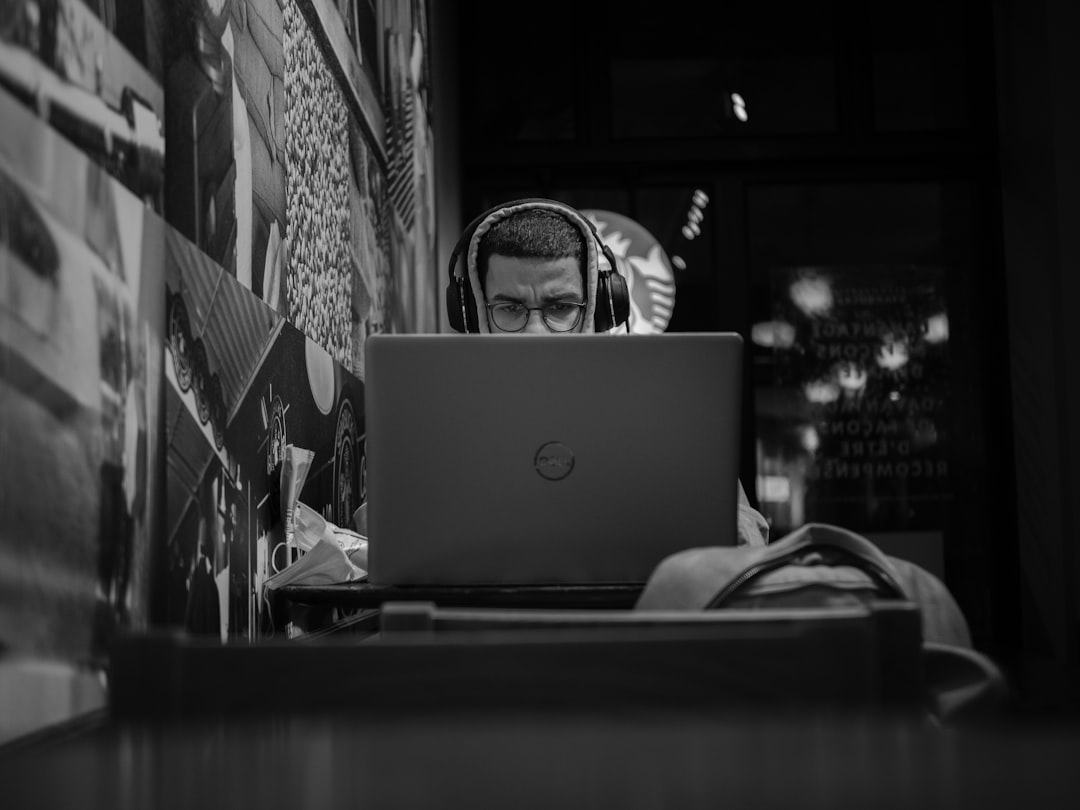
Tampa Bay has embraced coffee culture in a way that works well for remote workers. Beyond the national chains, the local coffee shop scene offers genuine workspace options.
Buddy Brew Coffee (multiple Tampa locations, including Oxford Exchange): Tampa's most popular local roaster. Multiple locations with good seating and WiFi. The Oxford Exchange location in South Tampa is essentially a coworking space disguised as a coffee shop/bookstore — beautiful space, lots of seating, and a culture where working on a laptop is completely normal.
Black Crow Coffee (St. Pete): Multiple locations in St. Pete, each with a slightly different vibe. The Central Avenue location is a remote worker staple. Good WiFi, outlets at most seats, not overly loud.
Bandit Coffee (St. Pete): A serious specialty coffee shop that happens to be laptop-friendly. Excellent espresso, good workspace.
Foundation Coffee (Ybor City/Tampa Heights): Co-located with a bike shop, which tells you something about the vibe. Good coffee, relaxed atmosphere, reliable WiFi.
Kahwa Coffee (multiple Tampa Bay locations): Another strong local roaster with several locations that welcome laptop workers.
The unspoken rules: Buy something every couple of hours, don't hog a four-top during lunch rush, and keep phone calls short or step outside. Tampa Bay coffee shops are generally laptop-friendly, but be respectful of the space.
What Are the Lifestyle Perks for Remote Workers?
The lifestyle advantage of remote work in Tampa Bay goes beyond the financial math. Here's what your daily life can actually look like.
The lunch break beach: If you live in South Tampa, Clearwater, St. Pete Beach, or any of the Gulf coast communities, you can be on the sand in 15-30 minutes. A 90-minute lunch break at the beach is a real thing people do here. Even inland (Brandon, Riverview, Wesley Chapel), the beach is a 30-45 minute drive — doable for an extended lunch or post-work visit.
Year-round outdoor activity: After you close your laptop, you can kayak, paddleboard, bike, run, or fish any day of the year. The 8-9 months of warm weather mean your after-work and weekend activities don't depend on the season. Check our best day trips guide for weekend adventure ideas.
Morning workouts: Tampa Bay's fitness culture skews toward outdoor activity. The Bayshore Boulevard running trail (longest continuous sidewalk in the world at 4.5 miles), the Pinellas Trail (75+ miles of paved bike trail), and the Upper Tampa Bay Trail offer world-class running and cycling before you start your workday. 6 AM runs in December in shorts — that's the Florida remote worker advantage.
Golf: If you golf, Tampa Bay has dozens of courses at price points dramatically below what comparable courses charge in the Northeast or West Coast. Mid-week afternoon rounds at quality courses for $40-$80 green fees are standard.
The summer reality check: July and August in Tampa Bay are brutal. Temperatures in the low-to-mid 90s with humidity that makes it feel like 105+. The outdoor lifestyle shifts to early morning and evening during peak summer. Your air-conditioned home office actually feels like a refuge. This is honest — summer is the tradeoff for the 8 other excellent months.
What Should Remote Workers Know About Home Offices in Florida?
A few Florida-specific considerations for your home office setup.
Dedicated AC: Florida homes' AC systems work hard. If your home office is in a room that gets afternoon sun, consider blackout curtains or a window film to reduce heat load. A ceiling fan in the office makes a noticeable comfort difference.
Power protection: Florida's summer thunderstorms produce frequent lightning strikes that cause power surges and brief outages. A good UPS (uninterruptible power supply) for your computer and modem/router is essential — not optional. Budget $100-$200 for a quality UPS that gives you 15-30 minutes of battery backup, enough to save work and gracefully handle a brief outage.
Hurricane prep for your work setup: Have a plan for multi-day power outages during hurricane season. Identify coworking spaces, friends' homes, and public libraries with generators as backup work locations. A portable power station (Jackery, EcoFlow) can keep a laptop and hotspot running for 8-12 hours without grid power.
Homestead exemption: If you buy a home in Florida and it's your primary residence, file for the Homestead Exemption through your county property appraiser's office. It caps your annual property tax increase at 3% and provides a $50,000 exemption. This is free money that many newcomers forget to claim.
Frequently Asked Questions
Is Tampa Bay a good place for remote workers?
Yes, it's one of the best metros in the country for remote work. The combination of Eastern Time zone, reliable internet, no state income tax, lower cost of living, and year-round outdoor lifestyle makes it consistently rank in the top 10 for remote worker destinations.
What internet speed do I need for remote work?
For reliable video conferencing and screen sharing, you need at minimum 50 Mbps download and 10 Mbps upload. For a household with multiple remote workers or remote work plus streaming, aim for 200+ Mbps. Most Spectrum plans in Tampa Bay start at 300 Mbps, which is plenty.
Can I write off my home office on Florida taxes?
Florida has no state income tax, so there's no state deduction. The federal home office deduction is available if you're self-employed (1099) but not if you're a W-2 employee. Consult a tax professional — the rules are specific.
Are there remote worker meetup groups in Tampa Bay?
Yes. The Tampa Bay tech community is active with meetups, networking events, and informal groups. Tampa Bay Wave hosts events. Remote Workers of Tampa Bay and similar groups organize through Meetup.com. The coworking spaces also host networking events. St. Pete in particular has a strong freelancer/remote worker community.
What neighborhoods are best for remote workers?
Seminole Heights and Tampa Heights offer walkable urban living close to coffee shops and coworking. South Tampa (SoHo/Hyde Park) has the Oxford Exchange and easy beach access. Downtown St. Pete is arguably the best walkable-work-lifestyle combination in the metro. For suburban remote workers who want space and value, Brandon, Riverview, and Wesley Chapel offer larger homes with dedicated office space at lower price points.
Should I rent first before buying as a remote worker?
Strongly recommended. Rent for 6-12 months to figure out your commute patterns (even remote workers drive to coworking spaces, coffee shops, and client meetings), preferred beach access, and neighborhood preferences. Tampa Bay's neighborhoods have very different personalities. What looks great on Zillow might not match your lifestyle. A local agent who knows the area can help you target the right neighborhoods from day one.
Moving to Tampa Bay? Get a Local Expert.
Barrett Henry has been helping families relocate to Tampa Bay for over 23 years. Straight talk, smart strategy, no pressure.
Need Help Setting Up Your New Home?
Best Bay Services handles everything from TV mounting to full remodels. Local, licensed, and trusted across Tampa Bay.