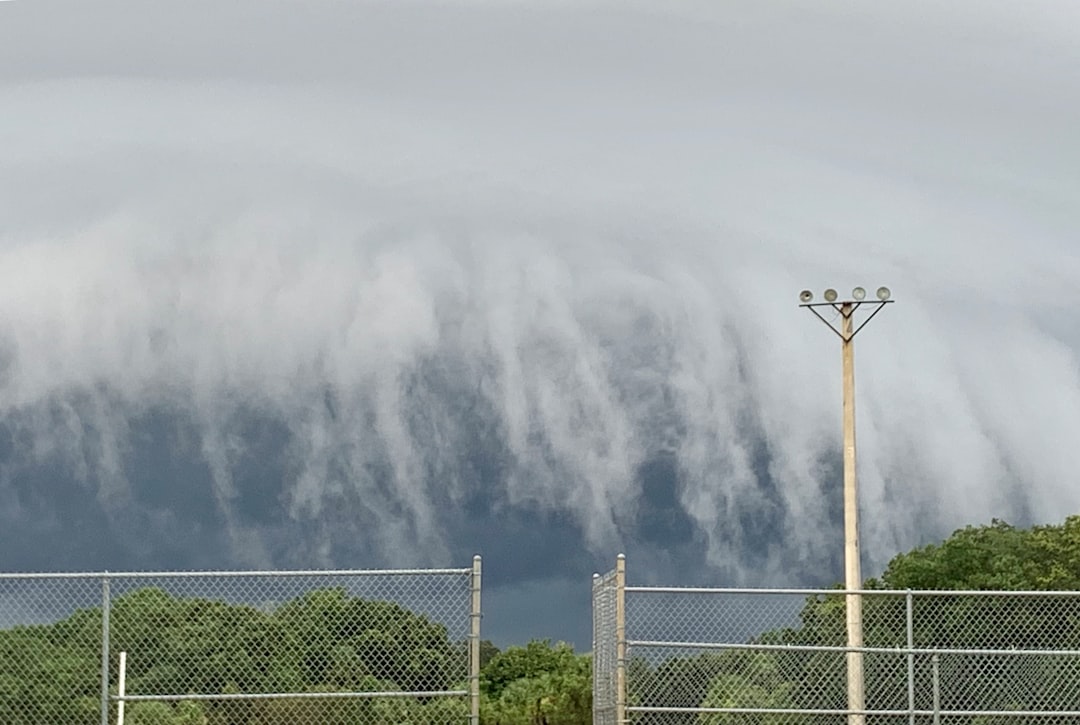
Yes, Hurricanes Are Real — But Tampa Bay Handles Them
Hurricane season runs June 1 through November 30. That's six months of the year where a storm could affect Tampa Bay. But here's the honest truth from someone who's lived here for over two decades: most years, nothing happens. Tampa Bay has historically been one of the luckiest metro areas on the Gulf Coast, with far fewer direct hits than South Florida, the Panhandle, or the Carolinas.
That said, "historically lucky" is not a hurricane plan. When a storm does target Tampa Bay, the consequences are serious — storm surge, wind damage, flooding, and power outages that can last days or weeks. The people who fare best are the ones who prepared before the season started, not the ones panic-buying plywood when a storm is three days out.
This guide covers everything you need to know: evacuation zones, insurance, supplies, shelters, and the real talk about living in hurricane country.
Hurricane Season — What to Expect
The Calendar
- June 1 – November 30: Official hurricane season
- Peak season: Mid-August through mid-October. This is when the most powerful storms form.
- Most active month: September, historically
Storm Categories (Saffir-Simpson Scale)
| Category | Wind Speed | Damage Potential |
|---|---|---|
| Tropical Storm | 39–73 mph | Minor — downed branches, localized flooding |
| Category 1 | 74–95 mph | Moderate — roof damage, power outages |
| Category 2 | 96–110 mph | Significant — major roof damage, extended power outages |
| Category 3 | 111–129 mph | Devastating — structural damage, weeks without power |
| Category 4 | 130–156 mph | Catastrophic — severe structural damage |
| Category 5 | 157+ mph | Total destruction in the path |
Real talk: Category 1 and 2 storms are manageable for a well-prepared home. Category 3+ is when things get serious. Tampa Bay's biggest threat isn't usually wind — it's storm surge. Tampa Bay is shaped like a funnel, and a storm approaching from the right angle can push massive amounts of water into low-lying areas.
Know Your Evacuation Zone
Every address in Tampa Bay is assigned an evacuation zone (A through E, plus non-evacuation zones). Zone A evacuates first (closest to water, highest storm surge risk), and zones B through E follow based on storm intensity.
Find your zone: Visit your county's emergency management website and enter your address. Do this the week you move in — not when a storm is approaching.
Evacuation Zones by County
- Zone A includes all of Apollo Beach, Davis Islands, Bayshore, parts of South Tampa, and coastal areas along the bay.
- Zones B–C cover much of Tampa proper, Riverview (low areas), and western Hillsborough.
- Eastern Hillsborough (Brandon, Valrico, Plant City) is mostly Zone D or non-evacuation.
- FishHawk Ranch and eastern Lithia are generally non-evacuation zones.
- Pinellas is almost entirely in evacuation zones due to its peninsula geography. All barrier island communities (Indian Rocks Beach, Madeira Beach, St. Pete Beach, Treasure Island, Clearwater Beach) are Zone A.
- Much of St. Petersburg, Clearwater, Largo, and Dunedin falls in Zones A–C.
- Only the highest-elevation interior areas are Zone D or non-evacuation.
- If you live in Pinellas, have an evacuation plan. Period.
- Coastal areas (Hudson, Holiday, Port Richey) are Zones A–B.
- New Port Richey varies by specific location.
- Wesley Chapel, Land O' Lakes, Zephyrhills — mostly non-evacuation zones.
- Dade City — non-evacuation.
- Coastal areas (Hernando Beach, Weeki Wachee coast) are Zones A–B.
- Spring Hill varies — western Spring Hill can be Zone B–C, eastern Spring Hill is safer.
- Brooksville — mostly non-evacuation (higher elevation).
- Inland county — minimal storm surge risk. Lakeland, Winter Haven, Bartow are generally non-evacuation zones.
- Flooding around lakes is the primary risk.
- Polk is where many coastal residents evacuate TO.
- Anna Maria Island, Bradenton Beach, Holmes Beach, Longboat Key — all Zone A.
- Coastal Bradenton and Palmetto — Zones A–C depending on elevation.
- Lakewood Ranch and Parrish — mostly non-evacuation.
- Barrier islands (Siesta Key, Lido Key, Longboat Key, Venice island) — Zone A.
- Coastal Sarasota — Zones A–B.
- North Port — mostly non-evacuation but has flooding risk from the Myakkahatchee Creek.
- Osprey and Nokomis — Zones A–C near the water.
- Coastal areas (Crystal River, Homosassa) — Zones A–B.
- Inland areas — mostly non-evacuation.
What "Evacuate" Actually Means
Evacuation doesn't mean "drive to Georgia." It means get out of the storm surge zone. Driving 15–20 miles inland is usually sufficient. If you're in Zone A in St. Petersburg, you could evacuate to a friend's house in Lakeland or Brandon — you don't need to leave the state.
Do NOT try to drive to Atlanta or Orlando during an evacuation. The interstates become parking lots. I-75 northbound during a major evacuation is a 12-hour nightmare that normally takes 4 hours. Evacuate locally.
Hurricane Insurance — The Expensive Truth
Homeowners Insurance
Florida homeowners insurance is expensive and has been in crisis for years. Average annual premiums in Tampa Bay run $2,500–$5,000+ depending on your home's age, construction, location, and wind mitigation features.
Key things to understand:
- Wind coverage is the expensive part. Many carriers have separate wind/hurricane deductibles — typically 2%–5% of your home's insured value. On a $400K home, that's an $8,000–$20,000 deductible before insurance pays a dollar for hurricane damage.
- Citizens Property Insurance is Florida's insurer of last resort. If private carriers won't cover you or quotes are astronomical, Citizens provides coverage — but rates have been increasing steadily.
- Roof age matters enormously. A roof over 15 years old may be uninsurable by private carriers. If you're buying a home, the roof condition is the #1 factor in your insurance cost. Budget for a roof replacement if the home has an older roof.
Flood Insurance
Standard homeowners insurance does NOT cover flooding. This catches people off guard every single storm. If your home floods from storm surge or rain — which is the most common hurricane damage — your homeowners policy won't pay. You need a separate flood insurance policy.
- FEMA flood zones: Check your flood zone at FEMA's map service center. Zones A and V require flood insurance if you have a mortgage. Zone X (minimal risk) doesn't require it but that doesn't mean you shouldn't carry it.
- NFIP (National Flood Insurance Program): Government-backed flood insurance through FEMA. Maximum coverage: $250K for the structure, $100K for contents.
- Private flood insurance: Often cheaper than NFIP with higher coverage limits. Compare both.
- Cost: $500–$3,000/year depending on zone, elevation, and coverage amount.
My strong recommendation: Carry flood insurance even if you're not in a high-risk zone. Many homes that flooded during recent storms were NOT in designated flood zones. Water doesn't read FEMA maps.
Compare homeowners and flood insurance through Policygenius — they'll show you options from multiple carriers so you can find the best coverage at the best price.
Wind Mitigation Inspection
A wind mitigation inspection ($75–$150) documents your home's hurricane-resistant features: roof shape, roof-to-wall connections, opening protection (shutters/impact windows), and roof covering type. This inspection can save you 20–45% on your wind premium. Every homeowner should get one — it almost always pays for itself in the first year.
Hurricane Supply Checklist
Don't wait until a storm is in the Gulf. Stock up before June 1 when stores are fully stocked and there's no panic buying.
Essential Supplies (per person, minimum 7 days)
Water
- 1 gallon per person per day (7 gallons minimum per person)
- Don't forget pets — they need water too
- Fill bathtubs before the storm for flushing toilets
Food
- Canned goods (manual can opener — don't forget this)
- Peanut butter, crackers, granola bars
- Dried fruit and nuts
- Bread, tortillas
- Baby food/formula if applicable
- Pet food
Power and Light
- Flashlights and extra batteries (lots of batteries)
- Battery-powered or hand-crank radio (NOAA weather radio is ideal)
- Portable phone chargers / power banks (fully charged)
- Lanterns (battery-powered, not candles — fire risk is real during storms)
Medical
- Prescription medications (30-day supply minimum)
- First aid kit
- Over-the-counter meds: pain reliever, antihistamine, anti-diarrheal
- Any mobility aids or medical equipment
Documents (in a waterproof bag)
- Insurance policies (homeowners, flood, auto)
- IDs, passports, Social Security cards
- Property deed/mortgage info
- Medical records and prescription list
- Photos/video inventory of your home and belongings (for insurance claims)
Tools and Safety
- Plywood or hurricane shutters (pre-cut and labeled for each window)
- Duct tape, tarps, plastic sheeting (for post-storm temporary roof repairs)
- Multi-tool or basic tool kit
- Fire extinguisher
Stock up on supplies through Amazon — they'll deliver everything on this list to your door before the season starts. Don't wait for the Publix shelves to empty.
Generator Considerations
Power outages are the most common hurricane impact. A generator makes a huge difference.
- Portable generator ($400–$1,200): Powers essentials — fridge, fans, phone chargers, a few lights. Requires gasoline (store safely, away from the house). NEVER run a generator indoors or in a garage — carbon monoxide kills.
- Whole-home standby generator ($5,000–$15,000 installed): Runs on natural gas or propane, kicks on automatically when power drops. If you can afford it, this is a quality-of-life game-changer. No gas runs, no extension cords, no sweating through the night.
- Solar + battery backup ($10,000–$25,000): Growing option in Florida. Tesla Powerwall and similar systems provide backup power from your solar panels. Works even when the grid is down, no fuel needed.
Hurricane Shutters and Impact Windows
Your windows are the most vulnerable part of your home. If wind breaks a window, pressure changes can lift the roof.
- Accordion shutters ($15–$25/sq ft installed): Permanent tracks, fold out when needed. Most popular option in Tampa Bay.
- Roll-down shutters ($25–$45/sq ft installed): Premium option. Push-button deployment.
- Panel shutters ($7–$15/sq ft): Aluminum or steel panels that bolt into pre-installed tracks. Cheapest permanent option but require storage and installation time.
- Plywood ($2–$4/sq ft): Budget option. Pre-cut and label each piece for each window. Store in your garage.
- Impact windows ($40–$60/sq ft installed): Replace your windows entirely with impact-rated glass. Expensive but eliminates the need for shutters, reduces insurance costs, and improves energy efficiency. Many homeowners do this during renovation. Ask Best Bay Services — Handyman & Home Services about installation options.
Before, During, and After the Storm
When a Storm Is Forecast (3–5 Days Out)
- Review your evacuation zone and plan
- Gas up all vehicles (stations run out fast)
- Cash — withdraw $200–$500 (ATMs don't work without power)
- Charge all devices, power banks, and batteries
- Freeze water bottles (they keep your freezer cold longer and become drinking water as they melt)
- Bring outdoor furniture, grills, and loose items inside or secure them
- Install shutters or plywood
- Fill prescriptions
- Take photos/video of your home interior and exterior for insurance purposes
During the Storm
- Stay indoors, away from windows
- If you didn't evacuate and conditions worsen, go to an interior room on the lowest floor (bathroom or closet)
- Don't open the door to "check on things" until the storm fully passes — the eye can create a false sense of calm
- Monitor weather radio or phone alerts for updates
- If flooding starts inside, move to the highest floor
- Don't drive through standing water — "Turn around, don't drown" is literal
After the Storm
- Don't go outside until officials give the all-clear
- Stay away from downed power lines (assume all downed lines are live)
- Photograph all damage before cleaning up (insurance needs this)
- Don't run generators inside — ever
- Check on neighbors, especially elderly residents
- Boil water advisories are common — follow them
- File insurance claims as soon as possible (companies get overwhelmed quickly)
- Watch for price gouging — it's illegal in Florida during declared emergencies. Report it to the Attorney General's hotline.
Protecting your home while evacuated
If you're leaving for the storm, consider your home security. SimpliSafe and ADT Home Security offer systems with cellular backup that keep monitoring even when power and internet are down. Cameras with battery backup can help you check on your property remotely during and after the storm.
County Emergency Shelters
Each county operates emergency shelters during hurricanes. Shelters are free but basic — think gym floors with cots. Bring your own bedding, food, water, and medications.
General shelter types:
- General population shelters — Open to everyone. No pets (see below).
- Special needs shelters — For people with medical conditions requiring electricity (oxygen, dialysis, etc.). Must pre-register with your county.
- Pet-friendly shelters — Limited — not every county has one. Pets must be in carriers/crates with food and supplies. Pre-registration often required.
County emergency management contacts:
- Hillsborough: HCFLGov.net/staysafe
- Pinellas: pinellascounty.org/emergency
- Pasco: pascoemergency.com
- Hernando: hernandocounty.us/emergency-management
- Polk: polk-county.net/emergency-management
- Manatee: mymanatee.org/emergency
- Sarasota: scgov.net/emergency
- Citrus: citrusbocc.com/emergency
Pro tip: Shelters are a last resort, not a first choice. Evacuate to a friend's or family member's inland home, book a hotel inland, or stay in your home if you're not in an evacuation zone and your home is well-built. Shelters are uncomfortable, crowded, and stressful.
Pet Evacuation Planning
Pets need a plan too:
- Identify pet-friendly shelters in your county (call ahead — spots fill fast)
- Identify pet-friendly hotels along your evacuation route
- Keep pet carriers, leashes, and a pet go-bag ready (food, water, medications, vaccination records, photos of your pet for identification)
- Microchip your pets — if they escape during the storm, a microchip is the best way to get them back
- Never leave pets behind in an evacuation zone
The Real Talk About Living in Hurricane Country
After 23+ years in Tampa Bay, here's my honest perspective:
Most years, hurricane season is a non-event. You'll watch a few storms form in the Atlantic, track them for a day or two, and they'll turn north or fizzle out. You'll stock up on supplies in May, forget about them by July, and find expired granola bars in December.
But the years it's NOT a non-event are serious. When a storm actually targets Tampa Bay, you'll be glad you prepared. The preparation isn't hard — it's a weekend of shopping and planning once a year. The cost of not preparing can be devastating.
The people who hate hurricane season are the ones who didn't prepare. If your shutters are pre-cut and labeled, your insurance is solid, your supplies are stocked, and you know your evacuation zone, hurricane season is just a background awareness — not a source of anxiety.
Florida's building codes (post-2002, and especially post-2007) produce homes that handle hurricanes far better than older construction. If you're buying newer construction in Tampa Bay, your home was built to withstand significant wind loads. Older homes may need upgrades — especially roof and window improvements.
Frequently Asked Questions
Is Tampa Bay really at risk for hurricanes?
Yes, but historically less so than South Florida, the Panhandle, or the Carolinas. Tampa Bay's geography (the angle of the coastline and bay) has deflected many storms. But it only takes one direct hit to cause catastrophic damage, and the growing population makes the consequences more severe.
How much does hurricane preparedness cost?
Basic supplies: $200–$400. Shutters: $2,000–$8,000 for a typical home. Insurance: $2,500–$5,000/year for homeowners + $500–$3,000/year for flood. Generator: $400–$15,000 depending on type. The supplies and shutters are one-time costs. Insurance is annual.
Should I avoid buying in an evacuation zone?
Not necessarily. Some of Tampa Bay's best neighborhoods are in evacuation zones — waterfront living comes with the territory. The key is having proper insurance, a solid home, and an evacuation plan. You can enjoy waterfront living 364 days a year and handle the one or two times per decade you might need to evacuate.
Do condos handle hurricanes differently?
Condo associations typically have their own hurricane plans, including shutter/impact window requirements and shared insurance (HO-6 vs HO-3 policies). Check the condo docs for hurricane preparedness requirements before buying. Upper-floor units face more wind; lower-floor units face more flood risk.
What about tornado risk?
Florida actually leads the nation in tornadoes per square mile, but most are weak (EF0-EF1) and short-lived, often spawned by tropical systems. Tampa Bay does get occasional tornadoes, especially during summer thunderstorms. Interior rooms on the lowest floor are your safe space.
Thinking about relocating to Tampa Bay? Barrett Henry has been helping families move to Tampa Bay for over 23 years. The NOW Team — Barrett Henry, REALTOR®
Moving to Tampa Bay? Get a Local Expert.
Barrett Henry has been helping families relocate to Tampa Bay for over 23 years. Straight talk, smart strategy, no pressure.
Need Help Setting Up Your New Home?
Best Bay Services handles everything from TV mounting to full remodels. Local, licensed, and trusted across Tampa Bay.